Last updated November 20, 2026
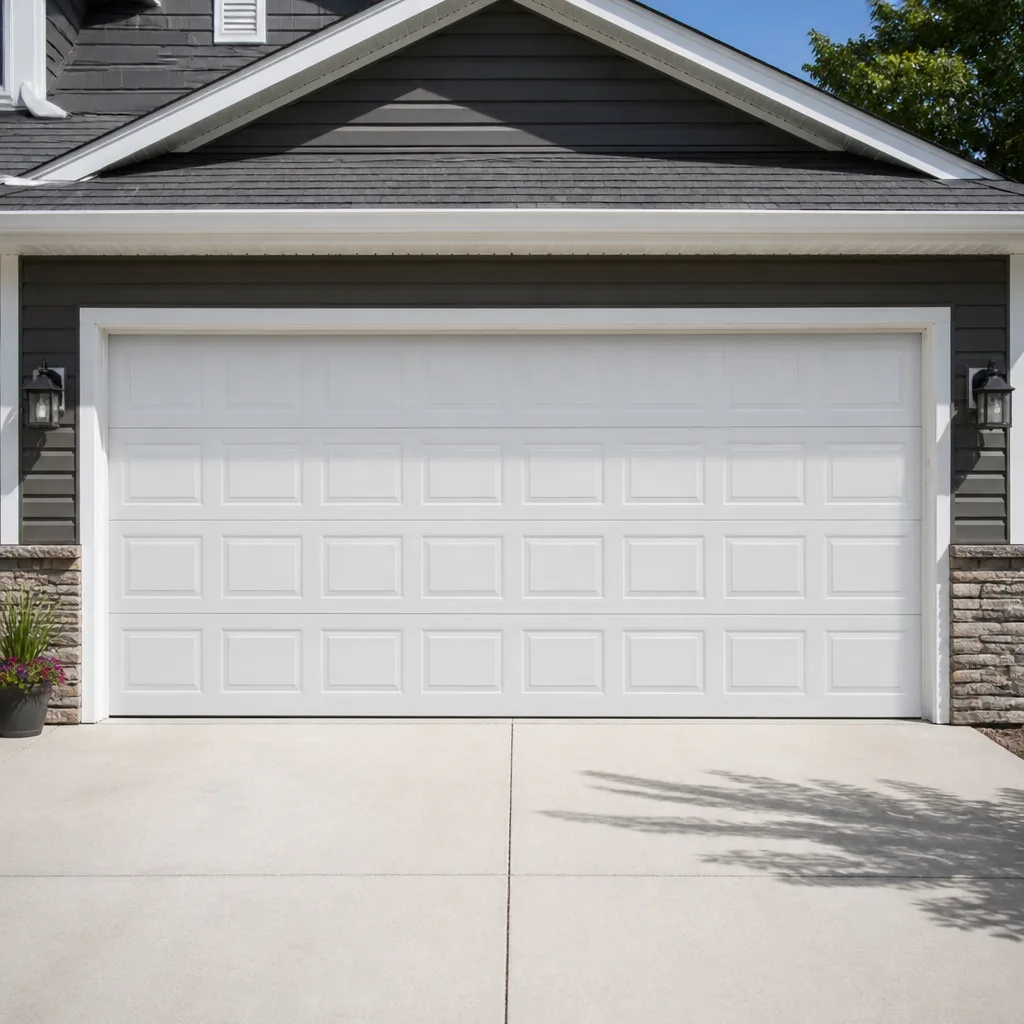 Raised-panel steel
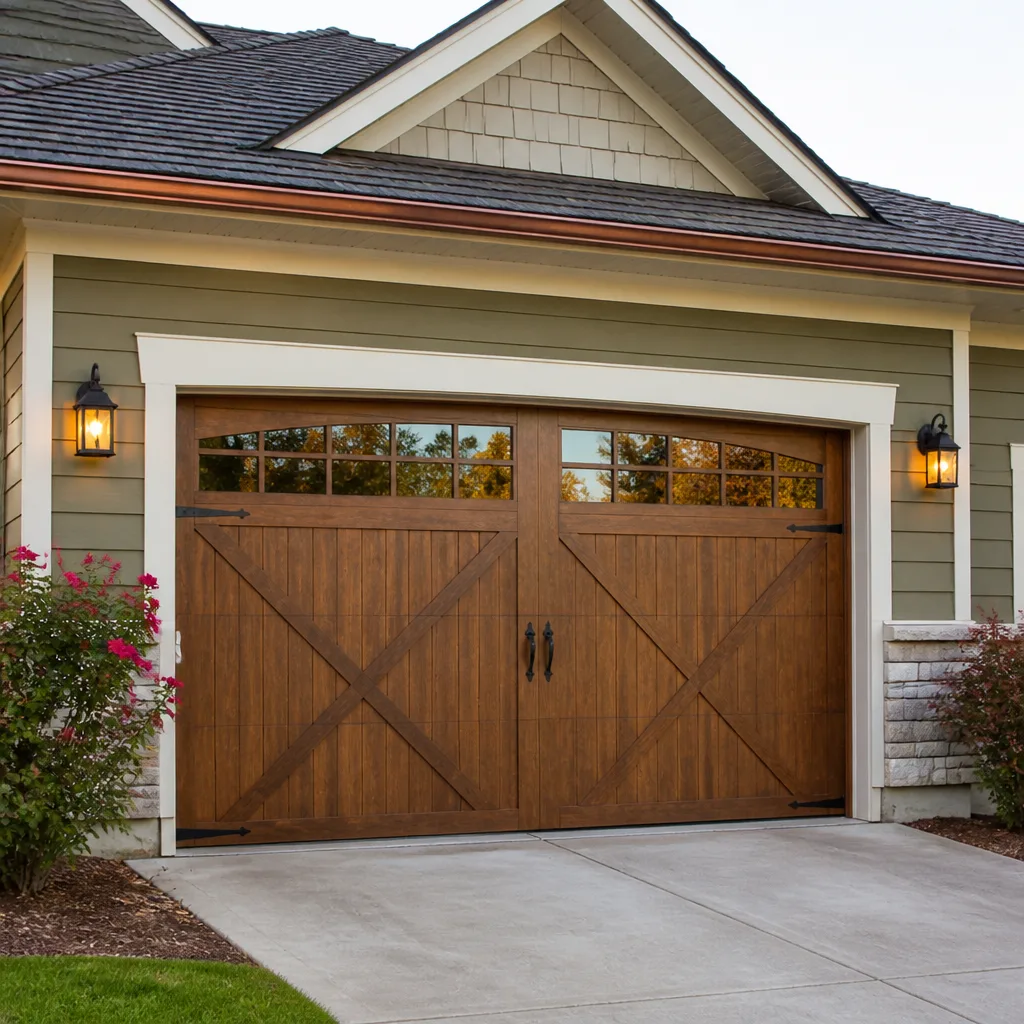 Carriage house
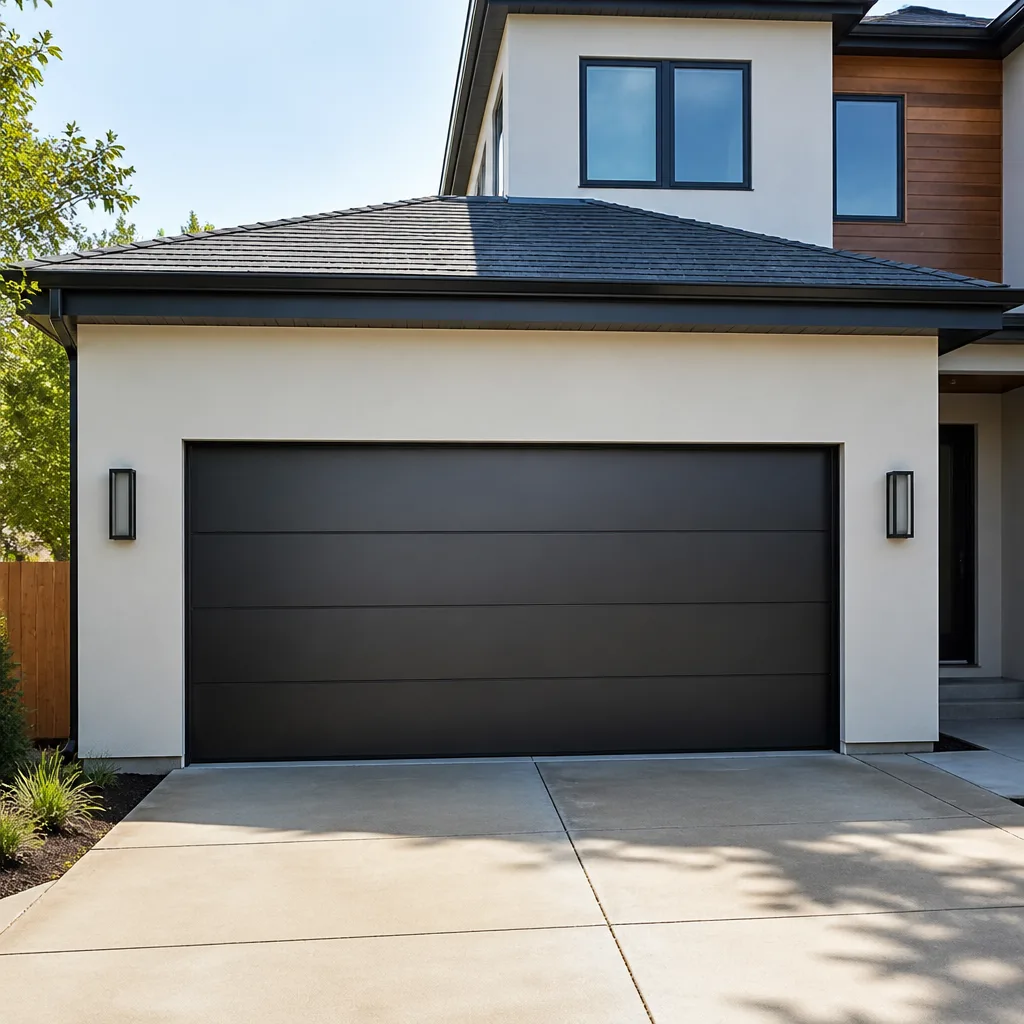 Modern flush
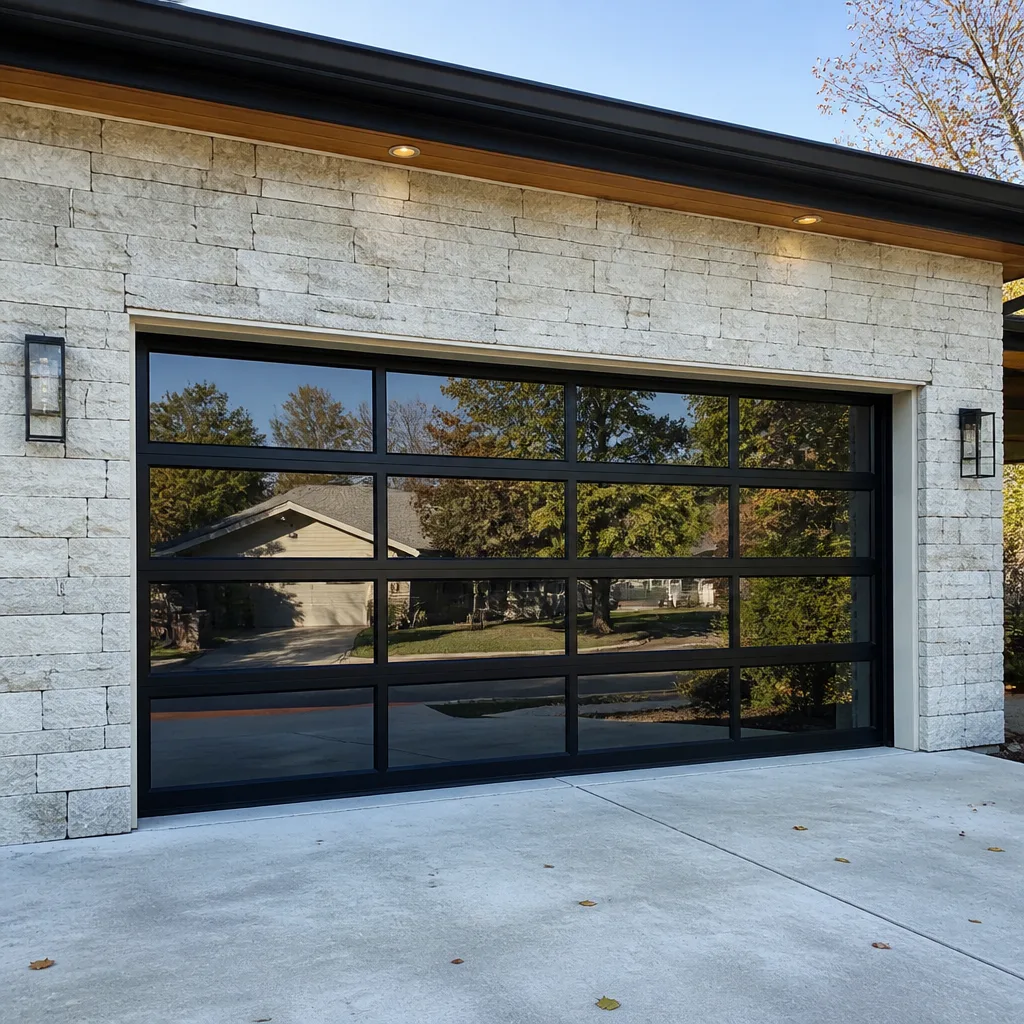 Full-view glass
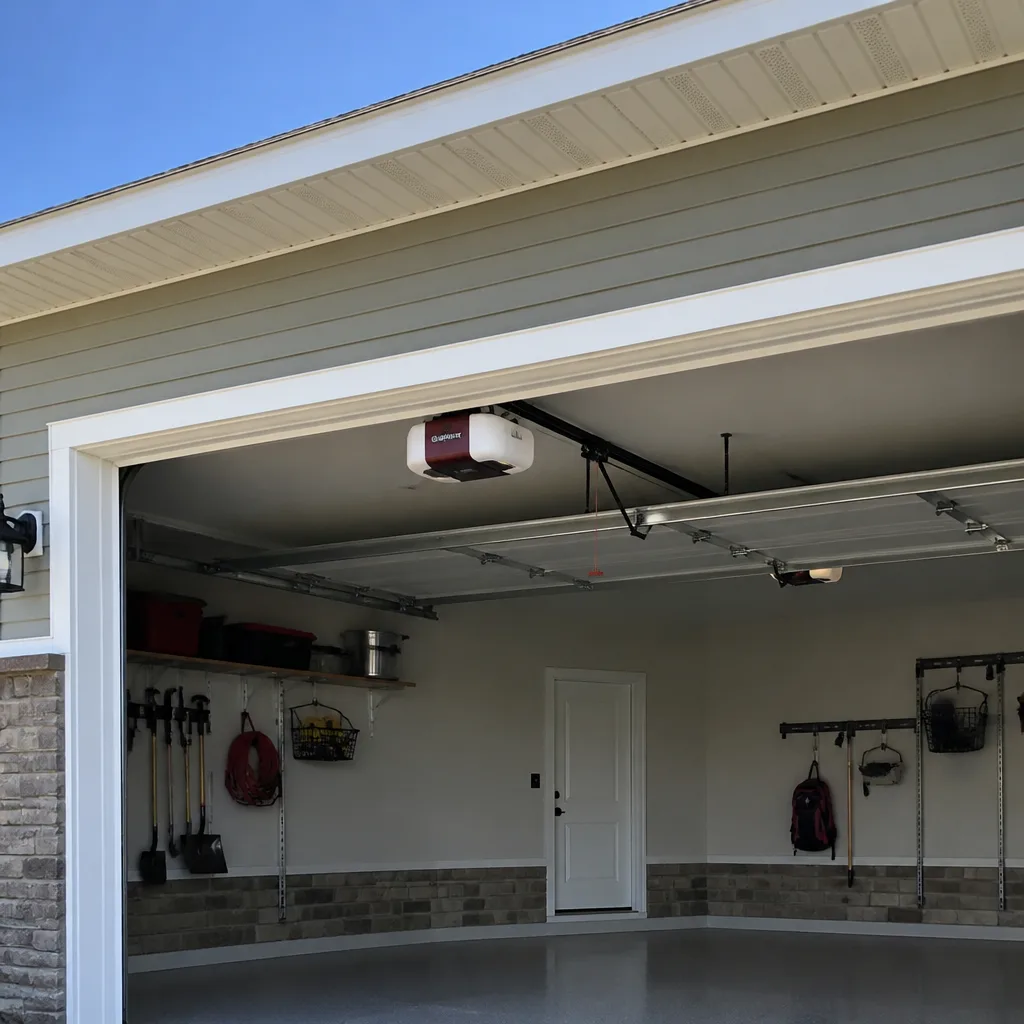 LiftMaster openers
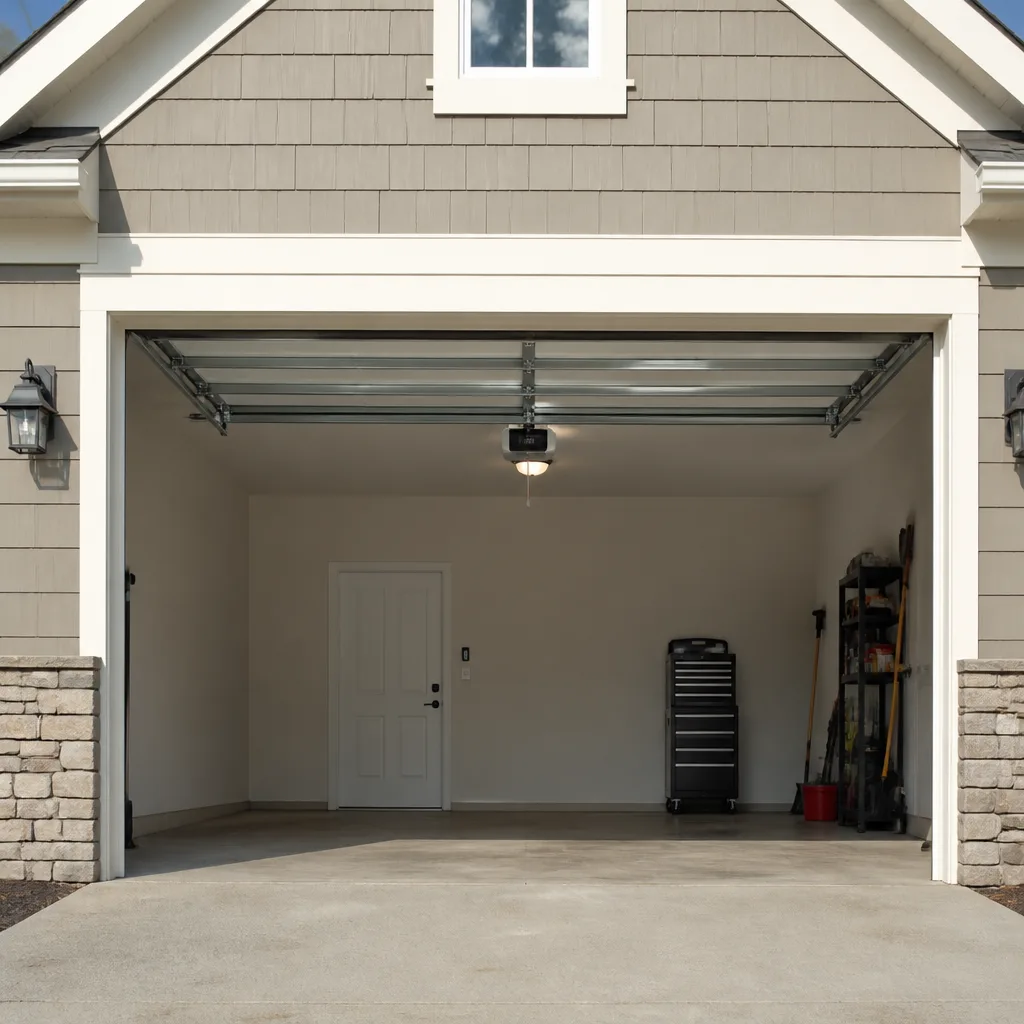 Chamberlain openers
Full 25-point door and opener safety check with every visit - springs, cables, rollers, tracks, and your LiftMaster or Chamberlain opener included
You get a price before we start. It does not change when the pro arrives.
Get your free estimateSeasonal Garage Door Care for Energy Corridor: Year-Round Homeowner’s Guide
Most seasonal garage door advice is written for places with four real seasons, and it doesn’t fit here. Energy Corridor gets about six weeks of something you could call winter, which means your door spends more than 200 days a year in heat and humidity that quietly wear down seals, springs, tracks, and opener electronics. A care calendar built for snow and ice misses the two failure spikes that actually matter locally: storm damage after a hurricane-season blow, and heat-driven expansion in July and August. This guide lays out a maintenance year that matches the climate you live in, so you can catch small problems before they turn into a door that won’t close.
Quick Answer
Seasonal garage door care in Energy Corridor means working around two demanding periods and two maintenance windows rather than four classic seasons. Before hurricane season in May, check reinforcement hardware, bottom seal integrity, and your manual release. Through summer heat, watch for thermal expansion in steel doors and aluminum tracks plus opener thermal cutout above 100°F. Use fall and late winter for spring, cable, and opener maintenance.
Styles & brands we work with
- Raised-panel steel
- Carriage house
- Modern flush
- Full-view glass
- LiftMaster openers
- Chamberlain openers
Table of Contents
- Why Energy Corridor Needs Its Own Garage Door Calendar
- The May Pre-Hurricane Checklist
- Summer Heat Protocol: Expansion, Tracks, and Opener Cutout
- The Fall Catch-Up Window
- What “Winterizing” Actually Means in Houston
- Assessing Post-Storm Damage Before You Call
- Late Winter: The Second Maintenance Window
- Brand Notes: LiftMaster, Wayne Dalton, and Craftsman Systems
Why Energy Corridor Needs Its Own Garage Door Calendar
A garage door is a mechanical system with a few hundred moving parts under constant tension, and almost every one of those parts reacts to temperature. That’s why a generic “check your door in spring and fall” plan falls short in Energy Corridor. The local year runs hot for most of it, with a short cool stretch and a hurricane season that puts wind-driven rain against the same door panel day after day.
Here’s how the year actually breaks down for a door in this part of Houston:
- May through November: hurricane season. Wind, driven rain, and debris are the main threats, plus power outages that test your manual release.
- June through September: sustained heat above 100°F on the hottest days. Steel panels expand, aluminum tracks shift, and openers can hit thermal cutout.
- October through November: the fall catch-up window, when it’s finally comfortable to inspect and replace worn parts.
- December through February: the short cool season, plus occasional cold snaps that matter mostly for condensation inside opener electronics.
- March through April: the late-winter-to-spring window, your second chance to prep before storm season.
If you schedule maintenance around those five blocks instead of four seasons, you’ll catch the two failure spikes that generate the most service calls here: post-storm damage in late summer and heat-related wear in the middle of it. For the repair side of things, our garage door repair team works on all of the major systems found in Energy Corridor homes, which helps when a problem turns out to be a mix of hardware and opener issues.
One more local reality: many Energy Corridor homes have attached garages that face the afternoon sun, which means the door panel on that side takes the brunt of the day’s heat. If your garage faces west or southwest, treat everything in this guide as slightly more urgent than the calendar suggests.
The May Pre-Hurricane Checklist
The single best thing you can do for your garage door in Energy Corridor is a thorough inspection in early May, before hurricane season gets going. Wind-driven rain and storm gusts find every weak point: a bottom seal that’s lost its flex, a hinge with a loose screw, a track that’s slightly out of plumb. Catching those in May is far easier than dealing with them in the middle of a storm.
Work through this checklist in order:
- Inspect the bottom seal. Run your hand along the rubber astragal at the bottom of the door. It should feel pliable and sit flush against the floor. Cracks, hardening, or a visible gap mean it needs replacing before storm season.
- Check reinforcement hardware. Look at the hinges, brackets, and any struts or braces across the door panels. Tighten loose fasteners and note any rust or bending. On a Wayne Dalton door, the panel-to-panel connections are worth a close look after a few hot seasons.
- Test the manual release. Pull the red cord and confirm the door disengages from the opener and moves by hand. Then re-engage it and run the door once to be sure the trolley reconnected properly. In a power outage, this is the only way you’ll get the door open.
- Clear the tracks of debris. Storm season brings leaves and grit. Wipe the tracks with a damp cloth and check that the door rolls smoothly without binding.
- Check the weatherstripping around the frame. The perimeter seal keeps wind-driven rain from sneaking in around the edges. If it’s brittle or pulling away, replace it.
- Test the safety reverse. Put a roll of paper towels under the door and close it. The door should reverse on contact. This is your most important safety feature and it should work every month, not just in May.
None of this requires special tools, and most of it takes under an hour. What it does require is a clear-eyed look at anything that seems loose, cracked, or out of alignment. If something looks marginal, that’s your cue to have a technician look before the first storm rather than after.
Summer Heat Protocol: Expansion, Tracks, and Opener Cutout
Summer is the hardest season on a garage door in Energy Corridor, and the reason is simple physics: metal expands when it’s hot. A steel door panel that fits neatly in March can grow enough by August to scrape a track or bind at the edges. Aluminum tracks expand too, and they don’t always expand at the same rate as the door, which is why summer is when a lot of “mystery” binding and sticking shows up.
Here’s what to watch for from June through September:
- Steel panel expansion. If your door suddenly rubs, sticks, or sounds different in the heat, that’s often expansion rather than a broken part. Insulated steel doors move more than uninsulated ones.
- Aluminum track shift. Tracks can bow or move slightly out of alignment in sustained heat. A door that closes fine in the morning but binds in the afternoon is telling you something.
- Opener thermal cutout. Above 100°F, many openers will shut themselves down to protect the motor. If your LiftMaster or Craftsman opener stops mid-cycle on the hottest afternoons and works again later, thermal protection is a likely cause. Let it cool, then have a technician confirm the motor isn’t struggling against a binding door.
- Lubrication that cooks off. Heat dries out lubricant faster than you’d expect. A dry roller or hinge is a noisy one, and noise is often the first sign of wear.
A smart summer habit is to run the door once in the morning and once in the late afternoon and listen for a difference. If it’s noticeably rougher in the heat, that’s worth a call before it becomes a stuck door. Our garage door opener repair technicians can sort out whether the problem is the opener, the door, or the alignment between them.
Keep the area around the opener motor clear, too. A garage that’s already hot gets hotter when the motor is boxed in by stored boxes or insulation. Good airflow helps the opener run cooler through the worst weeks.
The Fall Catch-Up Window
October and November are the best months of the year to do real maintenance on a garage door in Energy Corridor. The heat has broken, storm season is winding down, and a technician can work comfortably without the door fighting them. This is when you want to handle the jobs that need access, time, and a careful eye.
Fall is the right window for:
- Spring replacement. Springs wear out from cycles, not from weather, but fall is the practical time to replace tired springs before the next storm season. A spring that’s near the end of its life is a door waiting to fail. This is dangerous work with high-tension hardware, so it’s a job for a trained technician, never a homeowner project.
- Cable inspection. Cables fray over time. A technician can look for broken strands or loose tension that you’d never spot from the ground.
- Opener firmware updates. Many modern openers, including LiftMaster and Chamberlain units, receive firmware updates that improve reliability and security. Fall is a good time to check whether your opener is current.
- Track alignment and roller replacement. Rollers wear flat spots over a summer of heat. Replacing them is quick and quiets the door down.
The fall window also gives you a chance to look at the whole system at once. If the door needs a spring, the opener needs attention, and the bottom seal is shot, it’s better to know all of that in October than to discover it piece by piece through the winter and spring. A free estimate in the fall gives you a clear picture to plan around.
If you’re thinking about replacing an aging door rather than repairing it, fall is also a good time to talk through options. Our garage door installation team can walk you through what fits your opening, your opener, and your budget.
What “Winterizing” Actually Means in Houston
Winterizing a garage door in most of the country means preparing for ice, snow, and freezing temperatures. In Energy Corridor, it means something different and much smaller: protecting your opener electronics from the condensation that comes with an occasional cold snap. That’s the whole job, and it’s easy to overlook because the rest of the year doesn’t demand it.
Here’s what actually matters when the temperature drops here:
- Condensation inside opener electronics. When a warm, humid garage meets a cold snap, moisture can form on cold metal and inside electronic housings. That condensation can cause intermittent opener glitches. A quick visual check of the opener housing for moisture is worthwhile.
- Battery backup. If your opener has a battery backup, winter is the time to confirm it’s still holding a charge. A failed battery backup means the door won’t work when you need it most, which in this climate often means after a storm-related outage, not a cold snap.
- Seal flex in cold snaps. The bottom seal gets stiffer in cooler air. A seal that’s already aging can stop sealing well on a cold morning, letting cold air and pests in.
There’s no need to winterize in the traditional sense. No anti-icing, no freeze protection, no snow load concerns. What you do want is a door that’s ready to work through the brief cool stretch without any glitches, and a battery backup that works when the power goes out. If you’re not sure what shape your opener is in, have a technician check it during the fall window so it’s one less thing to think about.
Assessing Post-Storm Damage Before You Call
After a storm rolls through Energy Corridor, the first question is usually whether the door needs a call. Some damage is cosmetic and can wait. Some is structural and needs a technician promptly. Knowing the difference saves you time and helps you describe the problem clearly when you do call.
Use these steps to assess what you’re looking at:
- Check for panel deformation. Stand back and look at the door square-on. Are the panels flat and level, or are any bent, bowed, or out of alignment? A noticeably bowed panel can affect how the door travels and should be looked at.
- Test the door by hand with the opener disengaged. Pull the manual release and lift the door slowly. It should move smoothly and stay where you leave it. If it binds, drops, or feels much heavier than usual, stop and call a technician.
- Inspect the tracks. Look for tracks that are bent or pulled away from the frame. A bent track will cause the door to bind and should be repaired before you run the opener again.
- Check the springs and cables from a safe distance. Never touch a spring or cable. From a distance, look for a visible gap in a spring or a cable that’s hanging loose. Either one means the door should not be operated until a technician sees it.
- Look at the seal and weatherstripping. Torn seals and pulled-away weatherstripping are cosmetic in the sense that they don’t stop the door from working, but they do let water in and should be replaced.
- Test the opener. Once the door moves freely by hand, re-engage the opener and run it once. If it makes new noises or stops mid-cycle, stop and call.
Cosmetic vs. structural is the key distinction. Dents, scrapes, and torn seals can wait for a scheduled visit. Bent panels, a binding door, a bent track, a broken spring, or a loose cable are worth calling about right away. When in doubt, describe what you see and let a technician decide. It’s a free estimate either way.
Late Winter: The Second Maintenance Window
February and early March are the second-best window of the year to look after your door in Energy Corridor. The cool season is almost over, storm season hasn’t started, and you still have time to fix anything before the pressure of summer and hurricane season arrives. Think of it as a pre-flight check before the demanding half of the year.
Late winter is a good time to:
- Recheck springs and cables. If anything was marginal in the fall, this is the last comfortable window to replace it before summer.
- Inspect seals and weatherstripping. Winter cold snaps can stiffen and crack seals that were fine in fall.
- Test the manual release and safety reverse. Both should be tested regularly, and late winter is a natural point to do it.
- Clean and lubricate the tracks and rollers. A light cleaning and proper lubrication keep the door quiet and smooth going into summer.
- Confirm your opener is healthy. If your opener strained at all during summer, late winter is the time to have it looked at before another hot season.
Two maintenance windows a year, one in fall and one in late winter, is the right rhythm for Energy Corridor. It catches wear before the two failure spikes, and it keeps the door from becoming an emergency in the middle of the heat or the storm.
Brand Notes: LiftMaster, Wayne Dalton, and Craftsman Systems
Brand matters less than condition, but a few brand-specific habits are worth knowing. Our technicians have up to 8 years of experience and work on all eight major brands, so we can help whichever system you have. Here are the notes we end up giving most often in Energy Corridor.
LiftMaster openers. These are common in this area, and many have battery backup and smart features. Test the battery backup periodically, and keep the opener’s firmware current. Thermal cutout behavior in summer is worth watching on older units.
Wayne Dalton doors. Panel connections and hinges are the areas we see wear first after a long hot season. A visual check in spring and fall catches most of it.
Craftsman openers. These are reliable workhorses, but older units can have safety sensors that need recalibrating. If the door reverses for no obvious reason, the sensors are the first place to look.
General brand note. Whatever the brand, seasonal care is about the same: check seals, watch for heat-related binding, test the manual release, and keep the opener clean and cool. If you’d like a hand with any of it, our team at Garage Door Repair Energy Corridor can take a look. We can also supply common parts directly, which means less waiting on a distributor when something needs replacing.
Common Mistakes to Avoid
- Treating the calendar like a four-season climate. Energy Corridor has two demanding seasons and two windows, not four equal ones. A plan built for snow and ice misses the summer heat and storm spikes entirely.
- Ignoring the door in summer because it “should work”. Heat expansion causes real binding and sticking, and catching it early is far easier than dealing with a door that’s stuck in August.
- Touching springs or cables yourself. These are under high tension and can cause serious injury. Leave spring and cable work to a trained technician with the right tools.
- Skipping the manual release test. In a storm-related outage, the manual release is your only way to open the door. Test it in May and again in late winter.
- Waiting until after a storm to inspect the door. A pre-season checklist in May catches loose hardware and worn seals before wind and rain do. It’s much cheaper than post-storm repairs.
- Letting the opener work against a binding door. A struggling opener burns out faster. If the door binds, fix the door, don’t just press harder on the remote.
- Assuming a cosmetic dent is the whole story. A dented panel is usually fine, but a bent panel or a door that binds needs a technician’s eye before it gets worse.
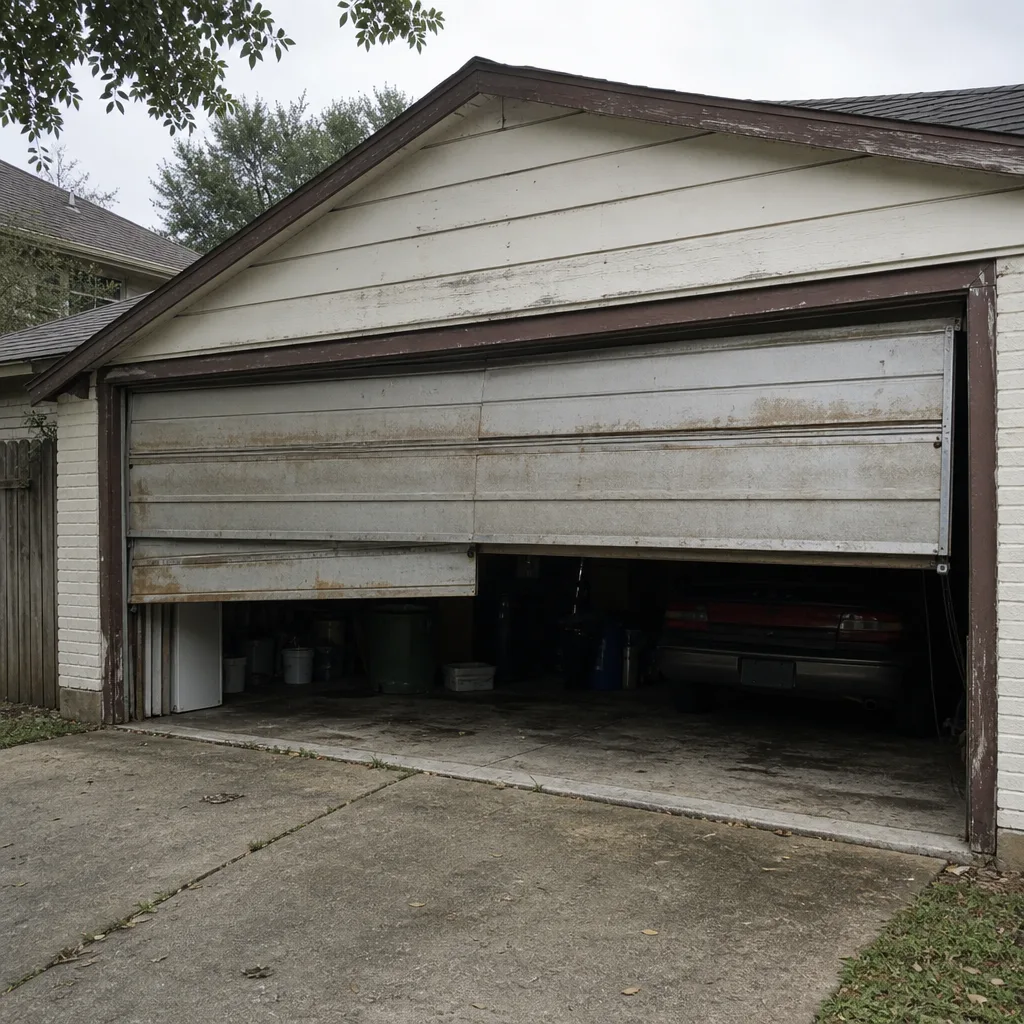
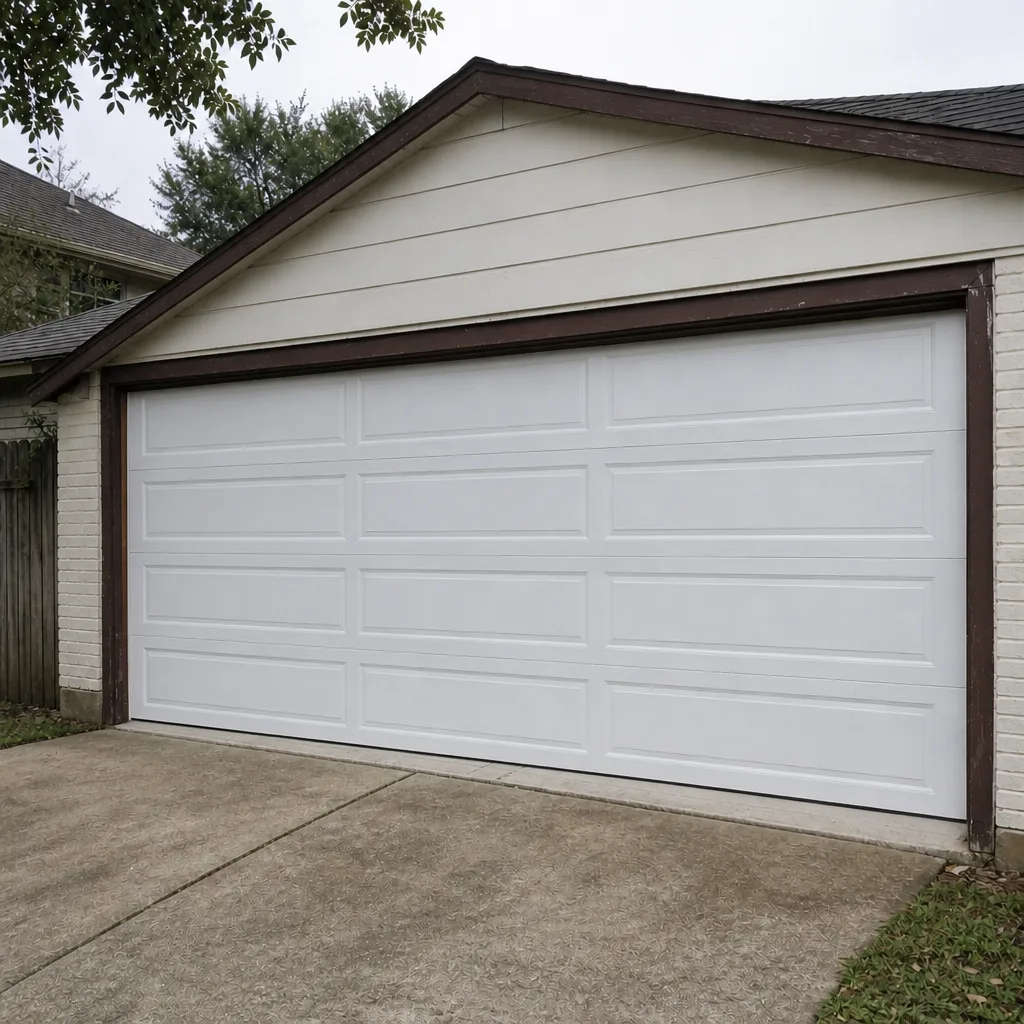
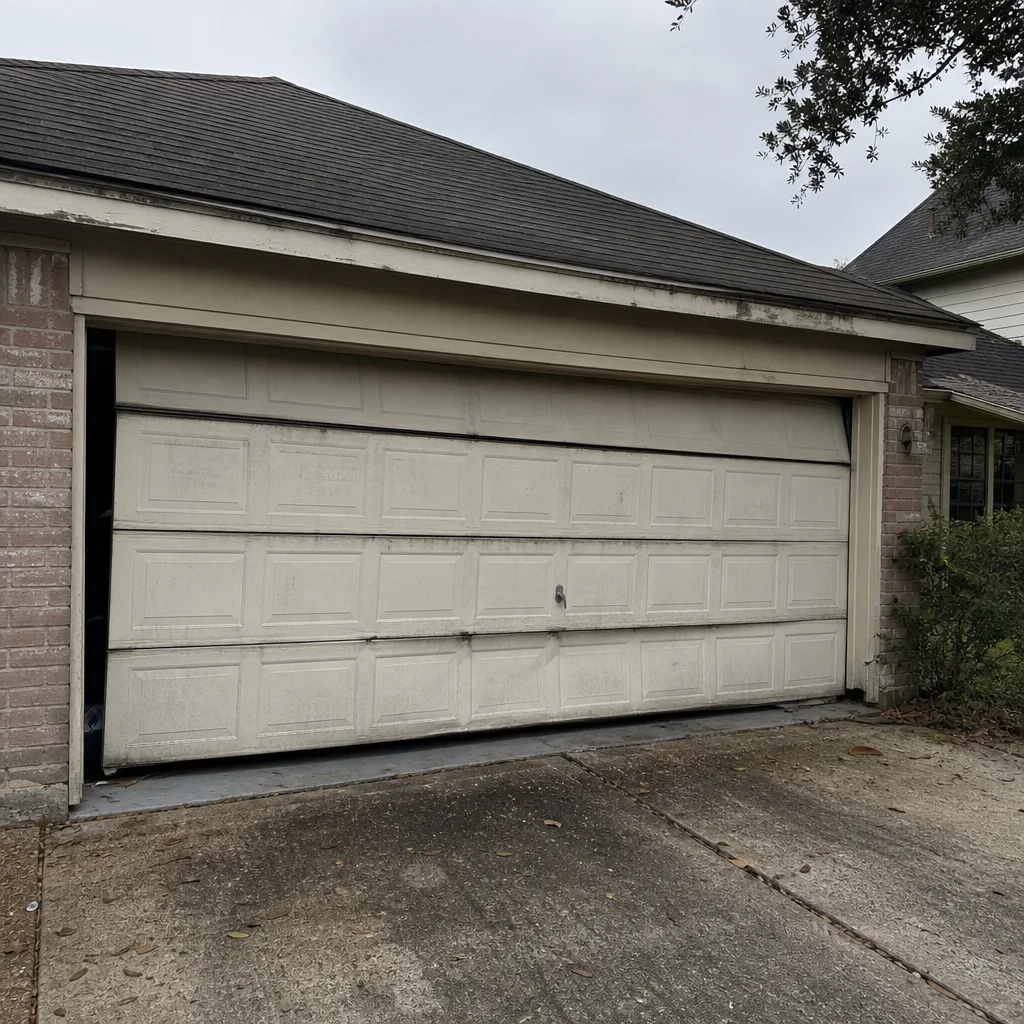
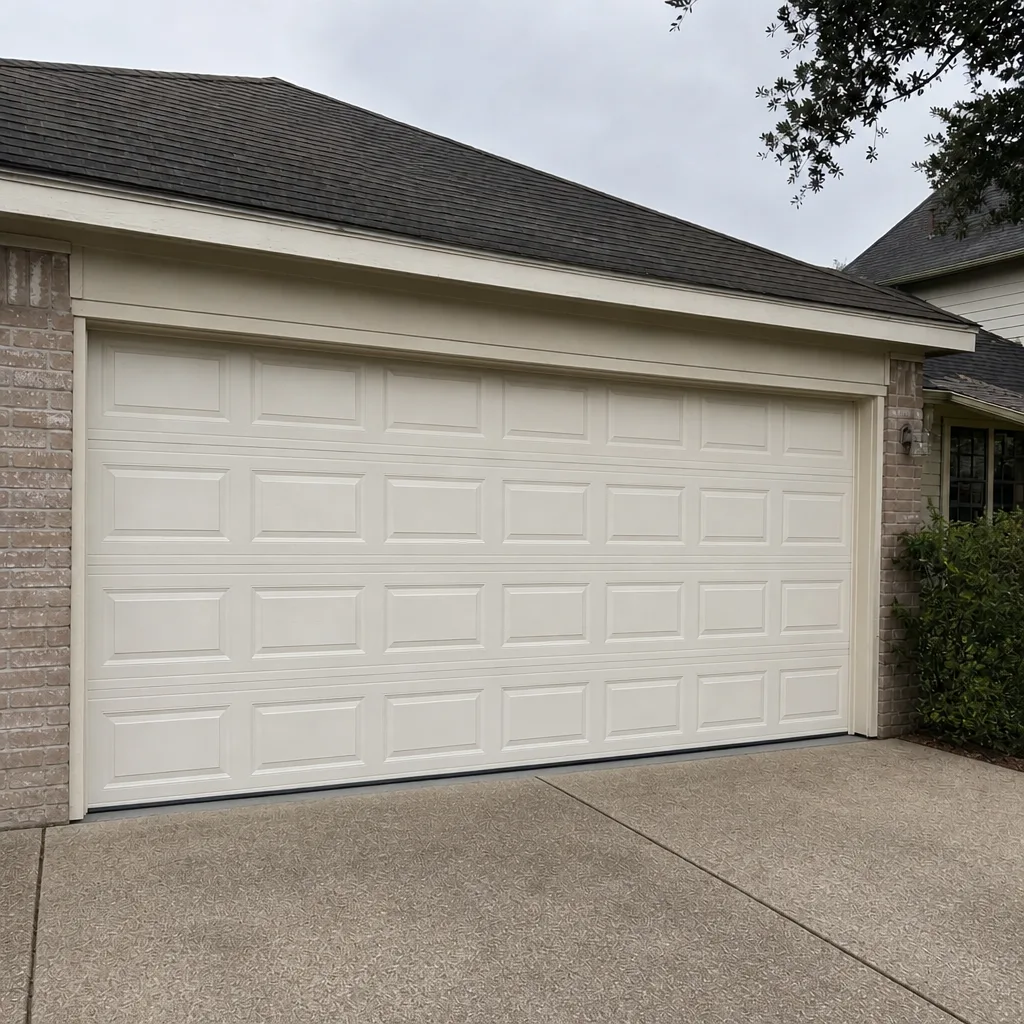
See the difference
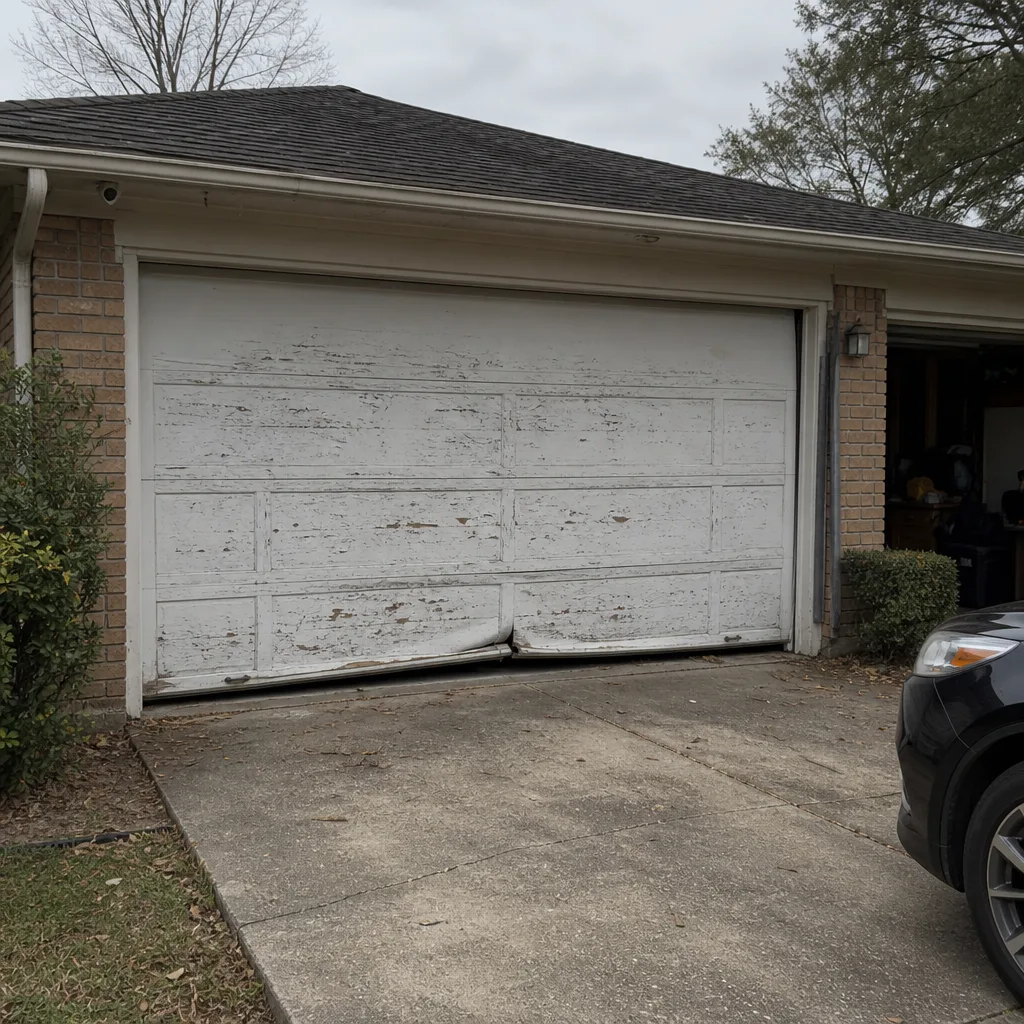 Before
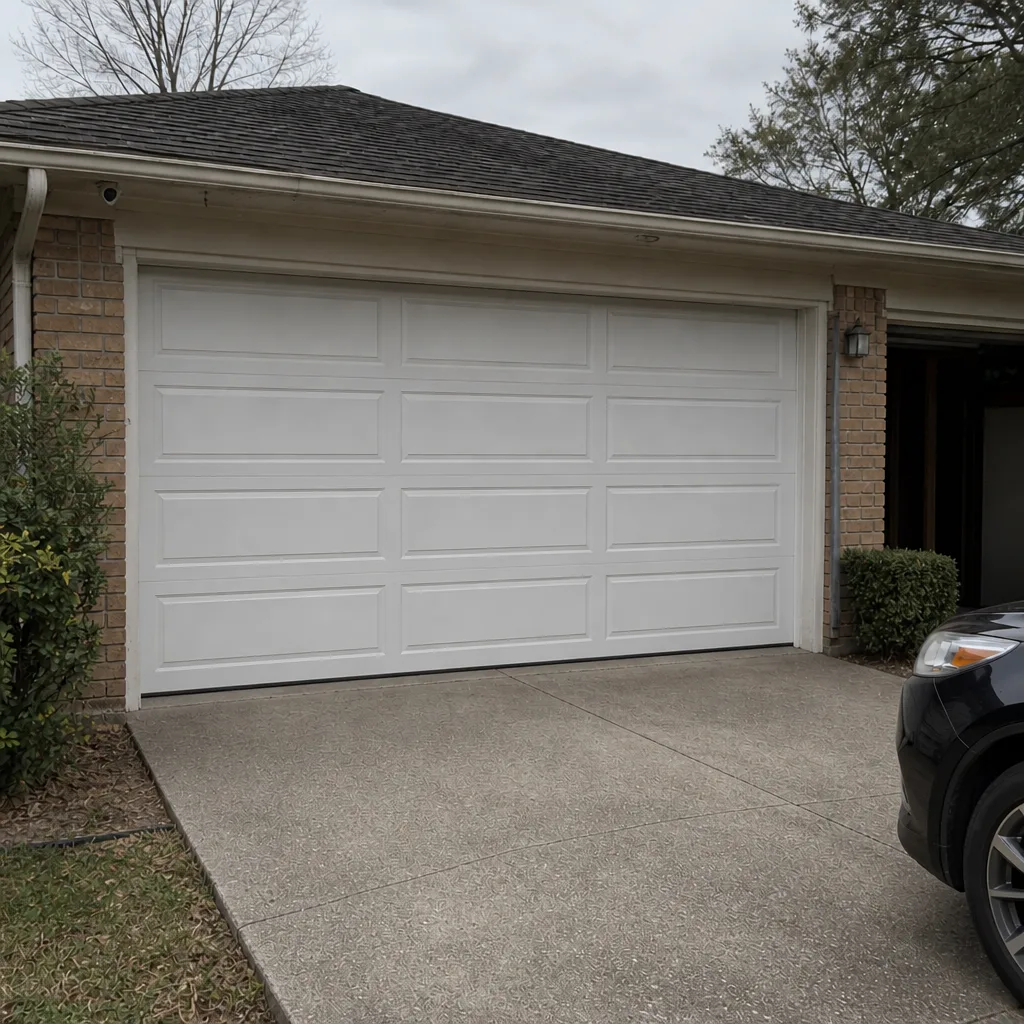 After
 Before
 After
 Before
 After
When to Call a Professional
Some garage door work is safe to do yourself, and some isn’t. Call a professional when a spring is broken or looks worn, when a cable is frayed or hanging loose, when the door binds or won’t stay up when you lift it by hand, when a track is bent or pulled away from the frame, or when your opener stops mid-cycle or makes new noises. Also call if the door has been damaged by a storm and you’re not sure whether the panels are still structurally sound. Garage Door Repair Energy Corridor offers free estimates in Energy Corridor. Call (855) 337-1190 to schedule one and get a written price before any work starts.
Frequently Asked Questions
Twice a year is the right rhythm here: once in fall (October or November) and once in late winter (February or early March), with a quick pre-hurricane checklist in May. This schedule catches wear before the two failure spikes, summer heat and storm season. Small monthly checks like testing the safety reverse are worth adding between those windows.
Your bottom seal, reinforcement hardware, and manual release are the top three. A worn seal lets in wind-driven rain, loose hardware can fail in a gust, and a manual release that doesn’t work leaves you stuck in a power outage. Test all three in May before storm season starts.
Heat expansion is the usual cause. Steel panels and aluminum tracks grow slightly in sustained heat, and they don’t always grow at the same rate, so the door can rub or bind on the hottest afternoons. A door that works fine in the morning and sticks in the afternoon is showing you the effect. Have a technician check it if it gets worse.
No, garage door springs should only be replaced by a trained technician. They’re under high tension and can cause serious injury if handled incorrectly. The tools and training required aren’t something a typical homeowner has on hand. This is one job that’s always worth a professional call.
In Houston, winterizing is mostly about protecting opener electronics from condensation during cold snaps, not about ice or snow. Check that your battery backup holds a charge, look for moisture around the opener housing, and make sure the bottom seal still flexes on cold mornings. That’s the whole job here.
Dents, scrapes, and torn seals are cosmetic and can wait for a scheduled visit. Bent panels, a door that binds when you lift it by hand, a bent track, a broken spring, or a loose cable are structural and need a technician. If you’re not sure, describe what you see and let a technician make the call. Call (855) 337-1190 for a free estimate.
The Bottom Line
Seasonal garage door care in Energy Corridor isn’t about four seasons. It’s about a long hot stretch that tests every part of the door, a hurricane season that finds every weakness, and two windows in fall and late winter when you can get ahead of both. Work through the May checklist, watch for heat-related binding in summer, use fall for springs, cables, and opener updates, and keep the winter job small. Do that and you’ll spend less time dealing with stuck doors and more time with a door that just works. If you’d like a hand with any step, Garage Door Repair Energy Corridor offers free estimates and works on all eight major brands, with parts available directly. Call (855) 337-1190 to get started.
Written by the team at Garage Door Repair Energy Corridor.