Last updated November 20, 2026
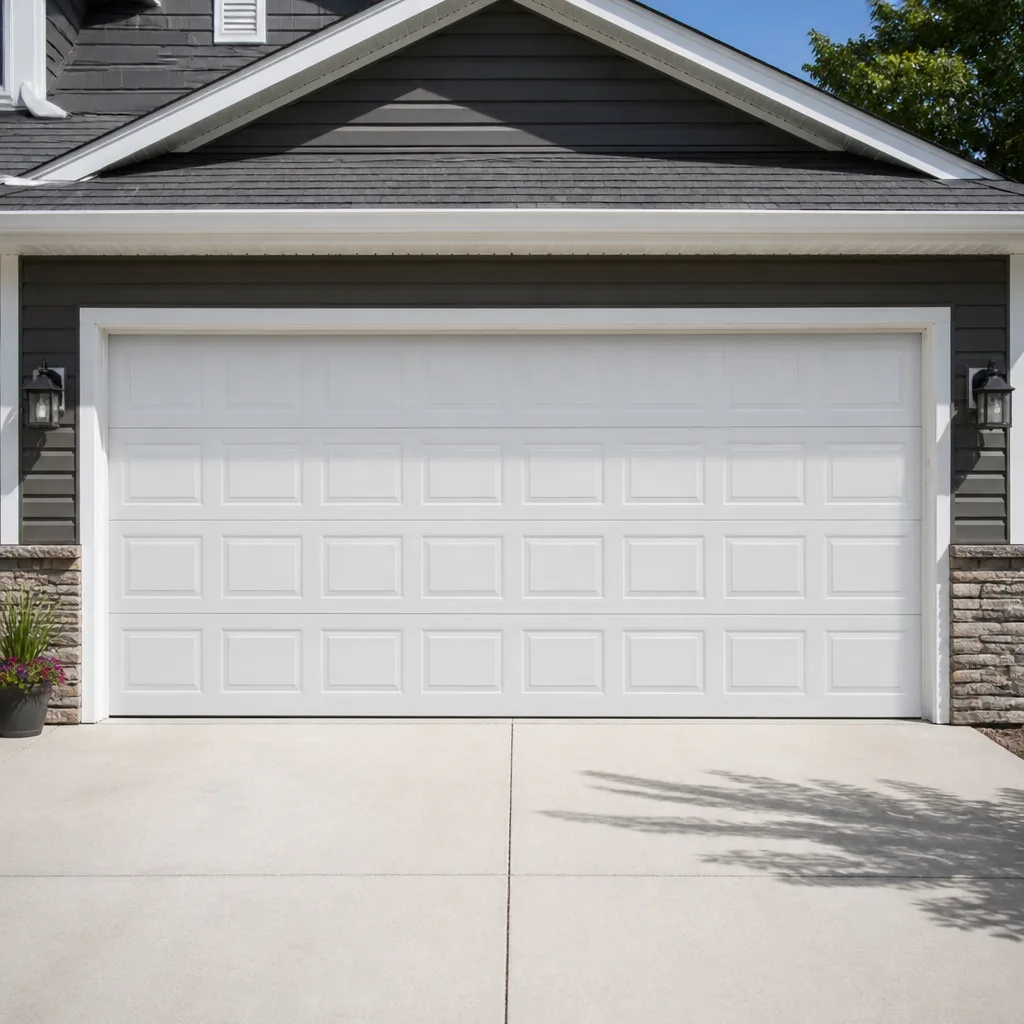 Raised-panel steel
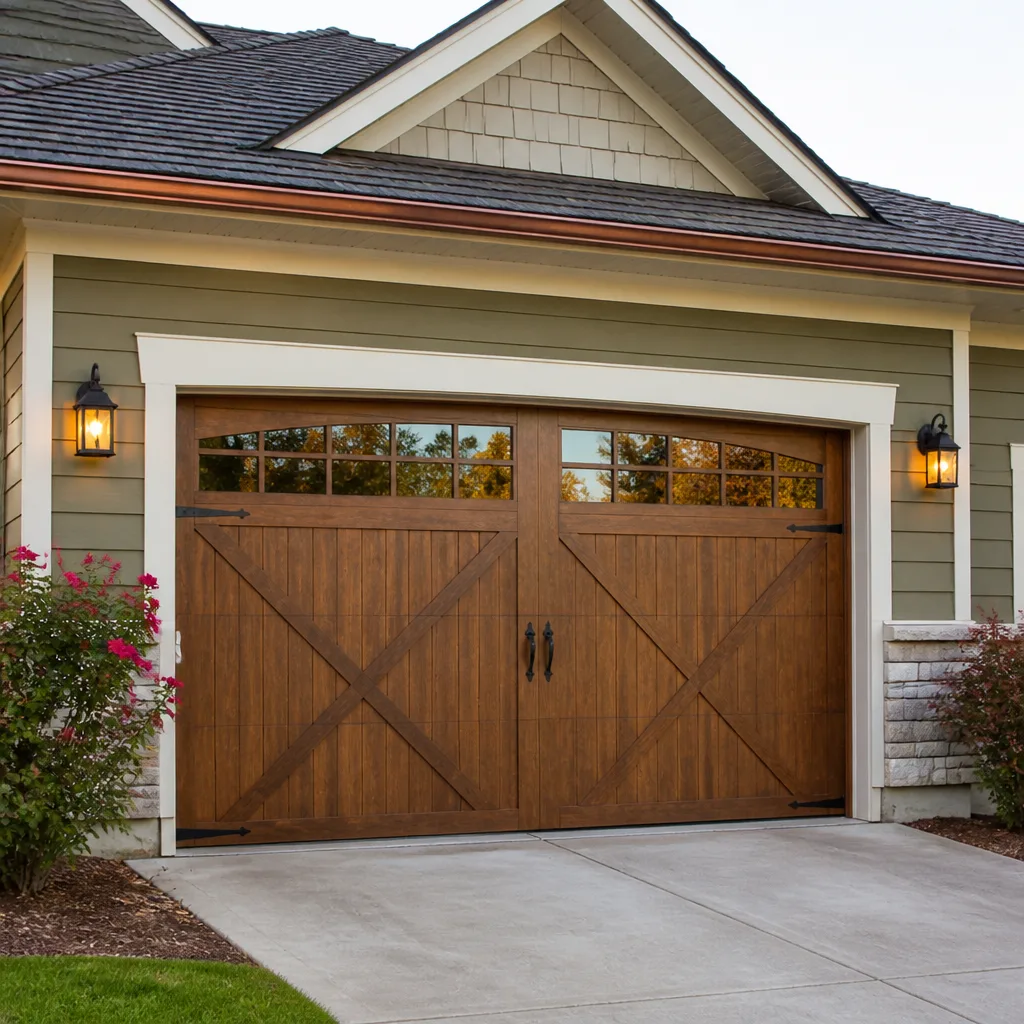 Carriage house
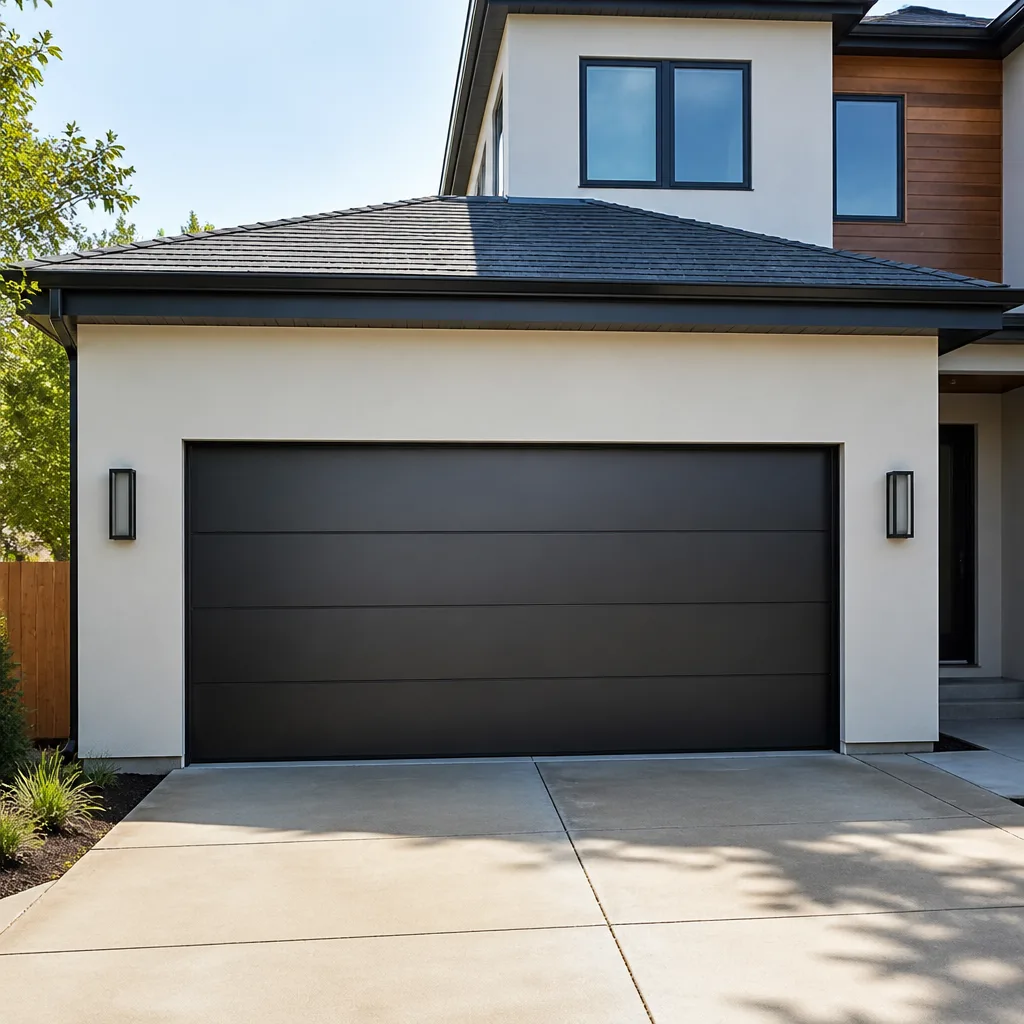 Modern flush
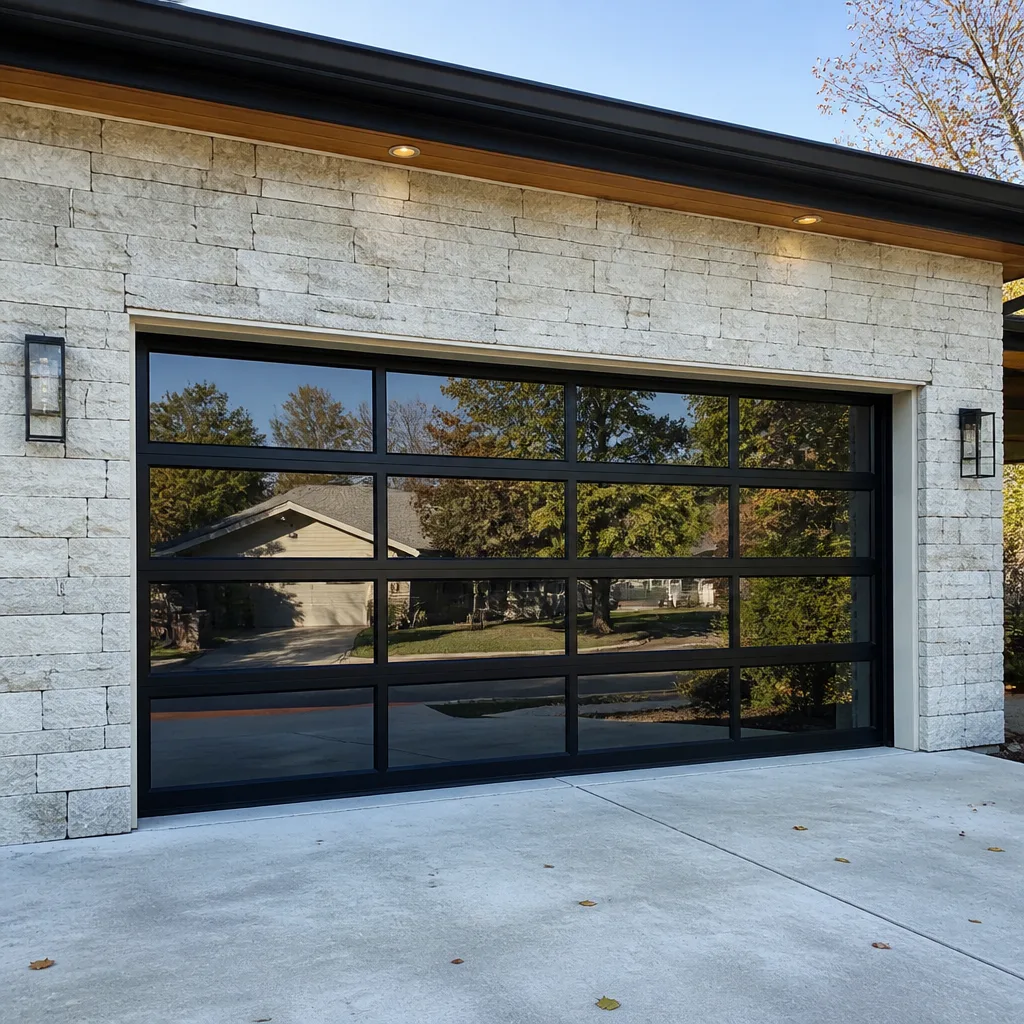 Full-view glass
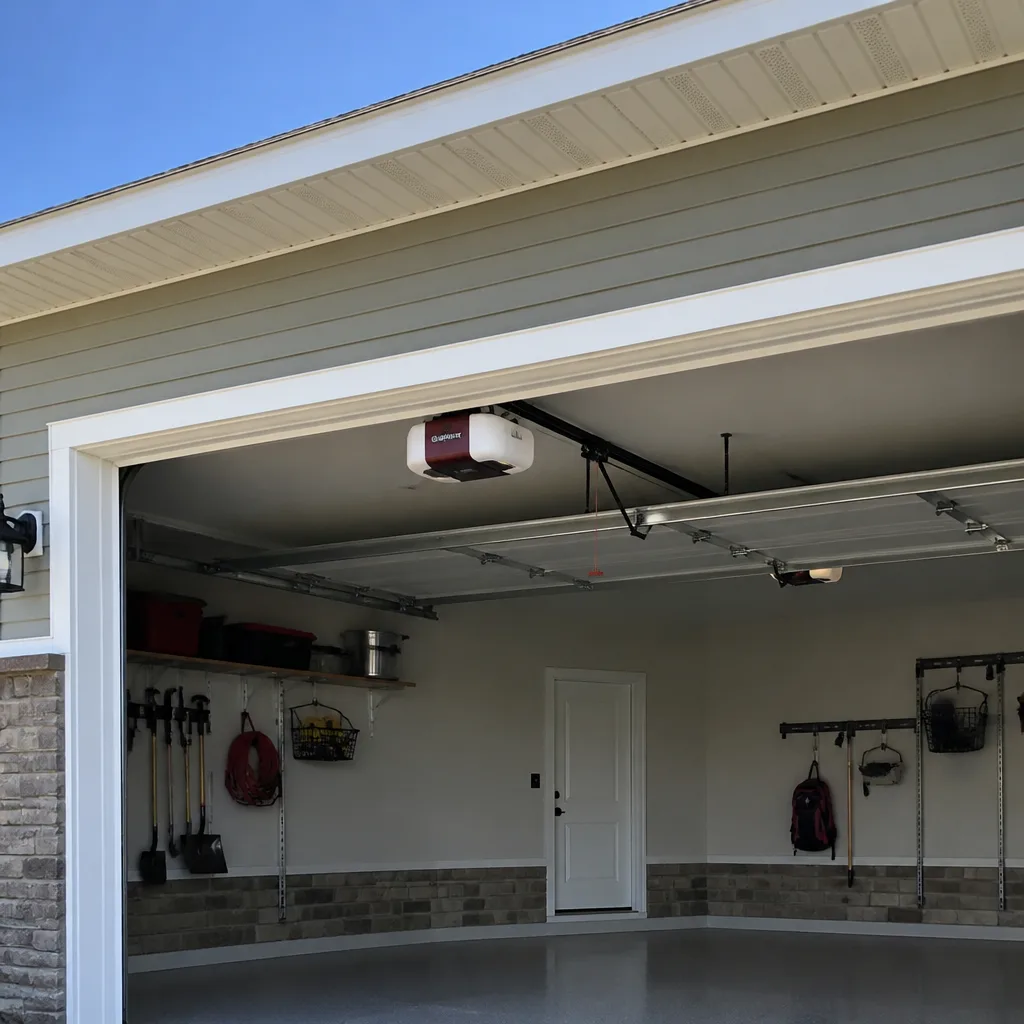 LiftMaster openers
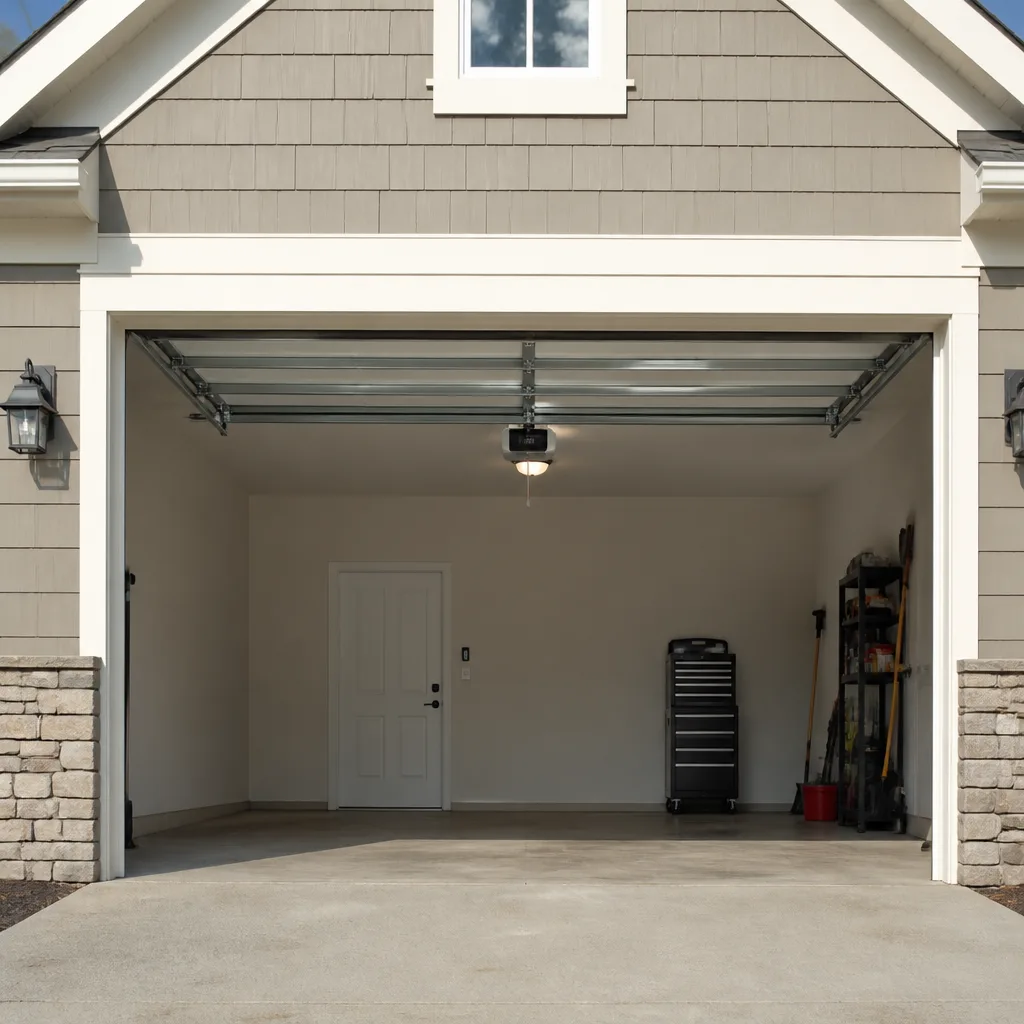 Chamberlain openers
Full 25-point door and opener safety check with every visit - springs, cables, rollers, tracks, and your LiftMaster or Chamberlain opener included
You get a price before we start. It does not change when the pro arrives.
Get your free estimateGarage Door Permits, Codes & Inspections in Energy Corridor, TX: What You Need to Know
Here’s the part that surprises most people: the permit rules for a garage door replacement in Energy Corridor depend less on the job itself and more on which side of a boundary line your driveway sits. A full door swap on one block may fall under City of Houston permitting while the house two streets over sits in unincorporated Harris County with a different threshold. Get it wrong and a future buyer’s title company can flag unpermitted work during resale. This guide walks through the jurisdictional map, the real thresholds for replacements vs. opener-only work, Texas wind-load requirements for our wind zone, and how permitted, code-compliant doors affect insurance eligibility when a storm rolls through. If you’re planning a garage door project in Energy Corridor, read this first.
Quick Answer
In most of Energy Corridor, a like-for-like garage door replacement (same size, same opening, no structural changes) typically does not require a separate building permit, but the rules vary by jurisdiction – City of Houston addresses, unincorporated Harris County, and ETJ boundaries each handle it differently. Opener-only replacements generally need no permit. Any change to the opening’s size, header, or structural framing requires a permit and inspection. Always confirm with the authority having jurisdiction for your specific address before work starts.
Styles & brands we work with
- Raised-panel steel
- Carriage house
- Modern flush
- Full-view glass
- LiftMaster openers
- Chamberlain openers
Table of Contents
- Which Authority Governs Your Energy Corridor Address?
- When Is a Permit Actually Required?
- Wind-Load Ratings and the Texas Building Code
- TWIA and How Permitted Doors Affect Storm Claims
- What the Inspection Process Looks Like
- Resale Inspections and Unpermitted Work
- Opener Codes, Safety Reversal and Child-Entrapment Rules
- When to Call a Professional
Which Authority Governs Your Energy Corridor Address?
Energy Corridor is a corridor, not a single incorporated city, and that’s the source of most permit confusion here. Addresses along and near the I-10 spine from roughly the Beltway 8 interchange west toward Barker Cypress can fall under City of Houston permitting, unincorporated Harris County, or an extraterritorial jurisdiction (ETJ) administered by one of the surrounding municipalities. Each has its own building department, its own permit portal, and occasionally its own interpretation of the same code.
Roughly speaking, the breakdown looks like this:
- City of Houston addresses: Permits issued through Houston’s permitting center. Houston is the most common authority for addresses inside the Loop-adjacent commercial and residential pockets of Energy Corridor.
- Unincorporated Harris County: No city permit, but the county engineer and Harris County’s permitting office may still have requirements for structural work, and deed restrictions often come into play.
- Municipal ETJs: Some neighborhoods sit in the ETJ of Katy, Jersey Village or another adjacent city. ETJs usually do not issue their own building permits for residential work, but they can reserve the right to review or annex later.
The practical takeaway: don’t assume your neighbor’s rules apply to you. A homeowner in a subdivision off Eldridge Parkway might be under Houston permitting while a house across Addicks Reservoir’s southern edge in unincorporated county is not. Call the number on your water bill or look at the county appraisal district record for your address – that’s the quickest way to identify the authority having jurisdiction (AHJ). Your contractor should be able to tell you which department handles your street, and a good one will ask before quoting a full replacement.
If you’re not sure whether you need a permit for the job you have in mind, that’s a good moment to talk to a specialist who quotes this kind of work every week. We handle garage door repair in Energy Corridor regularly and can tell you up front which jurisdiction applies.
When Is a Permit Actually Required?
The threshold most homeowners get wrong is between a like-for-like swap and a modification. A like-for-like swap means the replacement door is the same width, same height, same track layout, same spring system, and hangs in the same opening. That is generally treated as a maintenance replacement and, in most Energy Corridor jurisdictions, does not trigger a building permit. The moment you change the opening itself – widening a single-car bay, raising the header, adding a second door where there used to be a wall – you’re in structural work territory and a permit is required.
Here’s the practical breakdown of common jobs:
- Full like-for-like replacement: Usually no permit. May require HOA architectural review in Energy Corridor subdivisions.
- Same-size swap with a different door style (raised-panel to carriage-house): Usually no permit if the opening and hardware footprint match. HOA approval almost always required.
- Opener-only replacement or repair: No building permit in any Energy Corridor jurisdiction. No inspection required for the electrical connection when swapping a plug-in unit.
- Adding a new opener circuit or hardwiring a new outlet in the garage ceiling: Electrical permit required through the AHJ – separate from the door itself.
- Changing door size, header, or structural framing: Building permit required, plus inspection.
- Converting a garage to living space (or back): Major permit and multiple inspections.
One wrinkle specific to Energy Corridor: many subdivisions here have HOA deed restrictions that require written architectural committee approval before a door is replaced, even when no municipal permit is needed. HOAs typically want to review color, material, panel style, and window configuration. Getting HOA approval after installation is a hassle; getting it before takes a short form and a photo of your proposed door.
When in doubt, call the AHJ directly. It costs nothing and it prevents problems later. And when you’re ready to schedule the work itself, our team can walk through your specific door before we quote – that’s the safest way to lock in whether your job is permit-free or not.
Wind-Load Ratings and the Texas Building Code
Garage doors in Harris County have to be rated for the wind zone they sit in. The Texas Building Code and the International Residential Code (IRC) both treat the garage door as a critical component of the building envelope, and Harris County’s wind zone requires doors that meet a specific design pressure rating. This matters because a garage door is the largest opening on most houses here – when it fails in a windstorm, the pressure equalizes and the roof becomes vulnerable.
What that means in practice:
- Wind-load rating: Every replacement door should come with a manufacturer’s design pressure (DP) rating printed on the label or spec sheet. For most Harris County residential applications, you’re looking for a DP rating appropriate to the wind zone your address falls within.
- Reinforcement: Doors rated for higher winds typically ship with struts, heavier-gauge tracks, and additional hinges. A contractor who swaps the door without matching the reinforcement is defeating the rating.
- Anchor and track bolts: The door is only as strong as what it’s bolted to. Wind-rated doors are usually anchored with heavier bolts into the framing, not the drywall.
- Impact-rated glazing: If your door has windows, the glazing needs to meet the same wind-borne debris requirements as the rest of the envelope in higher-wind zones.
When a permit is pulled for a door replacement that involves structural changes, the inspector will ask to see the design pressure documentation. If you bought a door off the shelf without a wind-load label, you may be asked to replace it. That’s the part homeowners miss – the sticker on the doorframe is not cosmetic. It’s the evidence trail for your insurance and your future buyer.
We work with Clopay, Amarr, Wayne Dalton, and other brands that stamp DP ratings clearly on each door, and we can pull the spec sheet before you buy. If you’re comparing options, our garage door installation team can walk through which models carry the right rating for your specific Harris County address.
TWIA and How Permitted Doors Affect Storm Claims
The Texas Windstorm Insurance Association (TWIA) is the state’s insurer of last resort for wind and hail coverage along the Texas coast. Harris County sits at the edge of TWIA’s eligible territory, and the boundary runs through parts of the county – some Energy Corridor addresses fall inside TWIA-eligible zones and some don’t. If your homeowner’s policy is written through TWIA, or if your private carrier is reinsured against TWIA standards, the claim process for storm damage goes through a specific set of rules on how the structure was built and maintained.
Here’s the point most people miss: TWIA and most private carriers do inspect the structure after a storm claim, and they look for evidence of unpermitted or non-code-compliant work. A garage door that was replaced without the correct wind-load rating, without the reinforcing hardware for its rating, or without permit documentation in a jurisdiction that required one can become the basis for a partial denial. That’s real money – a garage door replacement after a storm can be thousands of dollars.
Three concrete things to keep on file if your door is replaced or your policy is TWIA-eligible:
- Manufacturer’s wind-load documentation. The DP rating, product data sheet, and installation instructions for the specific model installed.
- Permit and inspection records if your AHJ required them. A passed final inspection is the strongest possible evidence that the door was installed to code.
- Contractor invoice showing the model, the parts installed, and the date of work. Keep it with your closing documents.
Insurance eligibility rules are the carrier’s call, not the contractor’s. What we can do is make sure the door we install is one that has the paperwork to back up its rating. If your address falls in a TWIA-eligible zone, ask your agent before you buy the door – they’ll tell you exactly what they need to see.
What the Inspection Process Looks Like
If your job does require a permit, the inspection is usually brief. Most residential garage door permits get a single final inspection after the door and hardware are installed. The inspector checks a few specific things, and knowing what they are lets you (or your contractor) prepare.
- Door model verification. The inspector confirms the installed door matches the model on the permit application and that it carries the required wind-load rating for the address.
- Anchor and hardware check. Track bolts, hinge screws, and reinforcement struts need to be the hardware specified for the wind rating, not lighter retail hardware.
- Opening and header. For any job that involved framing changes, the inspector verifies the header sizing and structural anchors match the approved plans.
- Safety systems. If a new opener was installed as part of the job, the inspector or a separate electrical inspector verifies the safety reversal and photo-eye function.
- Final sign-off. The permit is closed, and the inspection record becomes part of the property’s file at the AHJ.
Inspections here are usually scheduled within a few business days of the request through the AHJ’s portal, though the lead time varies by jurisdiction. For a residential door replacement in Energy Corridor, the whole inspection is typically under an hour. Where it gets delayed is when the door on site doesn’t match the permit – meaning the wrong model, the wrong wind rating, or hardware that doesn’t match the specs. That’s why we confirm the door model against the permit before installation, not after.
If your project also includes opener work, that’s often a separate scope. We handle garage door opener repair as its own job and can coordinate the electrical inspection when the opener wiring is being changed.
Resale Inspections and Unpermitted Work
Here’s where the permitting question becomes a straight financial risk. When you sell a home in Energy Corridor, the buyer’s title company pulls the permit history for the property and compares it against any visible recent work. A garage door replacement that was done without a required permit can show up as a defect. That triggers a few possible outcomes:
- Buyer asks for a retroactive permit. You or the seller file for the permit after the fact, pay the fee plus any penalty, and schedule an inspection. The door may not pass if it wasn’t installed to code, in which case a full replacement is on the seller.
- Lien exposure. In some cases, unpermitted structural work can be assessed against the property if the authority having jurisdiction decides to pursue it. Rare in residential garage door work, but not zero.
- Negotiated price reduction. The buyer’s agent uses the missing permit as leverage to renegotiate, sometimes far beyond the cost of the door.
- Insurance complication. A new owner’s carrier can decline to cover the door if the paperwork trail is missing, especially in TWIA-adjacent wind zones.
- Delayed closing. Everything above can push a closing date back while permits and inspections are sorted.
None of this is inevitable – many jurisdictions treat like-for-like replacements as permit-free, and that covers most Energy Corridor jobs. But in neighborhoods where the AHJ does require permits for replacements, the paper trail matters. A closing document file with a passing inspection record is far cheaper than a retroactive permit and a last-minute reinstallation.
If you’re planning to sell in the next year or two, ask your contractor to keep the paperwork. We keep installation records on file so a future owner can document what was done. For more on how we handle repair and replacement scope, see our page on garage door repair.
Opener Codes, Safety Reversal and Child-Entrapment Rules
Garage door opener installation and repair is governed by federal safety rules that have been in place for decades, not local permit thresholds. The relevant rule requires that every automatic residential opener have a non-contact safety reverse system – the photoelectric eye – and a pressure-based safety reverse that reverses the door on contact with an obstruction. Every major residential opener manufactured for the U.S. market since the 1990s has both. When we replace an opener, we check both functions on the finished install as a standard part of the job.
If you’re replacing an opener in Energy Corridor, what matters locally is:
- The opener matches the door’s weight. An under-powered opener on a heavy door will wear out faster and eventually fail. LiftMaster and Chamberlain both publish weight-tolerance ranges for their units.
- The safety eye is mounted correctly. On many Energy Corridor homes, the eyes end up on a sagging bracket after years of heat, and the alignment slips. We re-mount and align them as part of a replacement.
- The wall control is wired correctly for the safety reverse test. Cheap wall controllers on older Craftsman and Genie systems sometimes bypass the test.
- If a new circuit or outlet is being installed, an electrical permit is required through the AHJ – that’s an electrician’s job, not the door installer’s.
Raynor and LiftMaster both publish opener compatibility charts for the door models they recommend. If your existing opener is a few years old, we can tell you in a quick visit whether it needs replacement or a repair before committing to a new purchase.
If your existing opener has stopped reversing on contact or the safety eye won’t hold alignment, that’s a straightforward diagnostic for our team. The repair is usually quick and rarely requires a permit.
Common Mistakes to Avoid
- Skipping HOA review because no permit is required. Energy Corridor deed restrictions don’t care about your building permit. Architectural committee approval is often a separate process, and retroactive approval is much harder to get than advance approval.
- Buying a door without a wind-load sticker. A shelf-bought door lacking the DP rating can fail an inspection in a wind zone, and it can become the basis for an insurance complication. Ask for the model and rating before purchase.
- Assuming your neighbor’s permit rules apply to you. Energy Corridor’s jurisdictional patchwork isn’t uniform. Check your own address before assuming anything.
- Pulling a permit after the work is done. Retroactive permitting is more expensive and much slower than filing first. It also risks failing inspection if the installed door doesn’t match what was approved.
- Replacing an opener without verifying safety reversal afterward. The critical safety functions need to be tested on the finished install. They’re the piece most likely to fail after a swap.
- Losing the installation paperwork. Keep the model number, wind rating, and invoice with your closing documents. It matters at resale and after any storm claim.
- Hiring a generalist because the job looks small. A door that fits but doesn’t match the wind rating or the door weight is a liability, not a bargain. Use a specialist who verifies spec before install.
When to Call a Professional
There are three scenarios where we recommend bringing in a specialist rather than handling it yourself. First, any time you’re replacing the door and not just repairing it – wind-load rating selection and installation of structural hardware are where the wrong choice creates risk at resale and after a storm claim. Second, when the spring needs to be replaced. Springs are under extreme tension and can cause serious injury if they fail during work; they need to be handled by technicians with the right tools and training. We don’t recommend DIY spring work. Third, when your opener’s safety reverse function has failed or the safety eye won’t stay aligned – that’s a child-entrapment hazard and needs to be corrected before the door is used.
Garage Door Repair Energy Corridor offers free estimates in Energy Corridor – call (855) 337-1190. We’ll tell you whether your job needs a permit, which jurisdiction handles it, and what the written estimate will include before any work starts.
See the difference
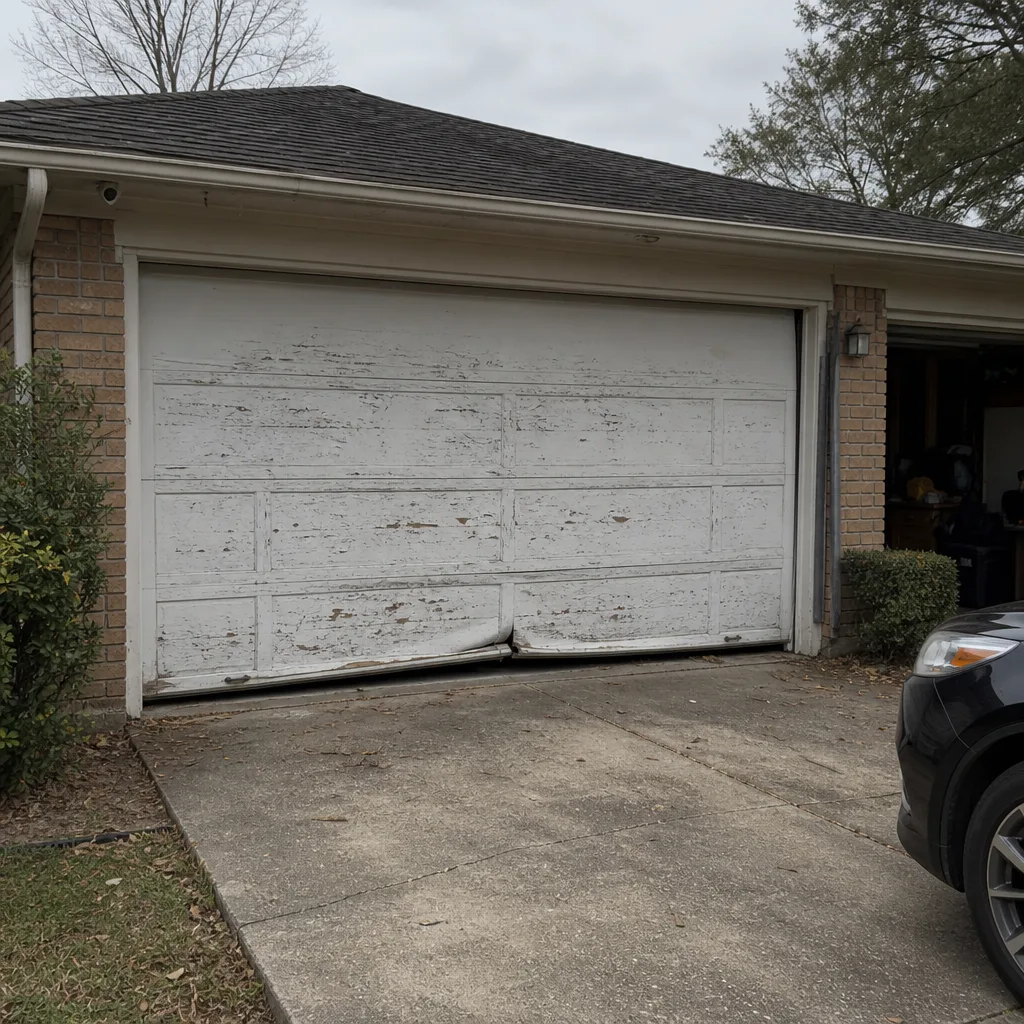 Before
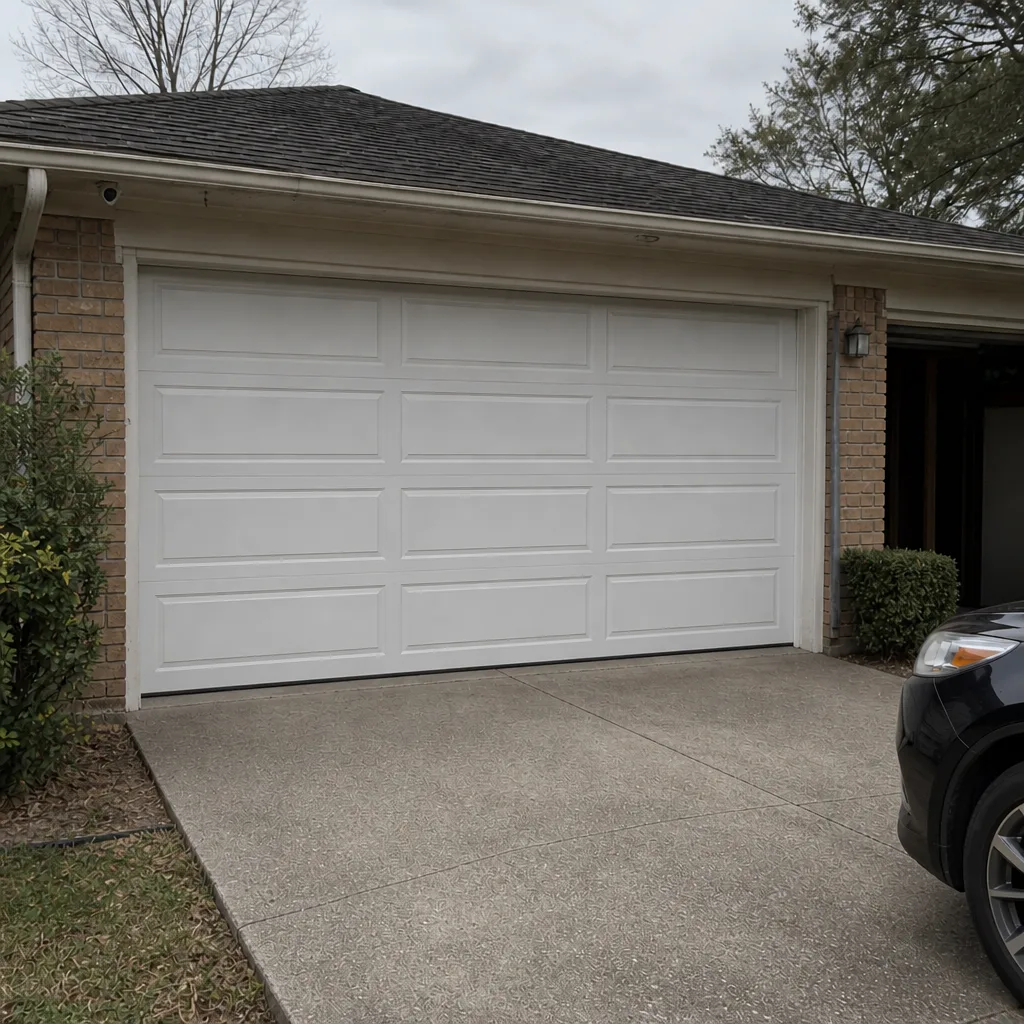 After
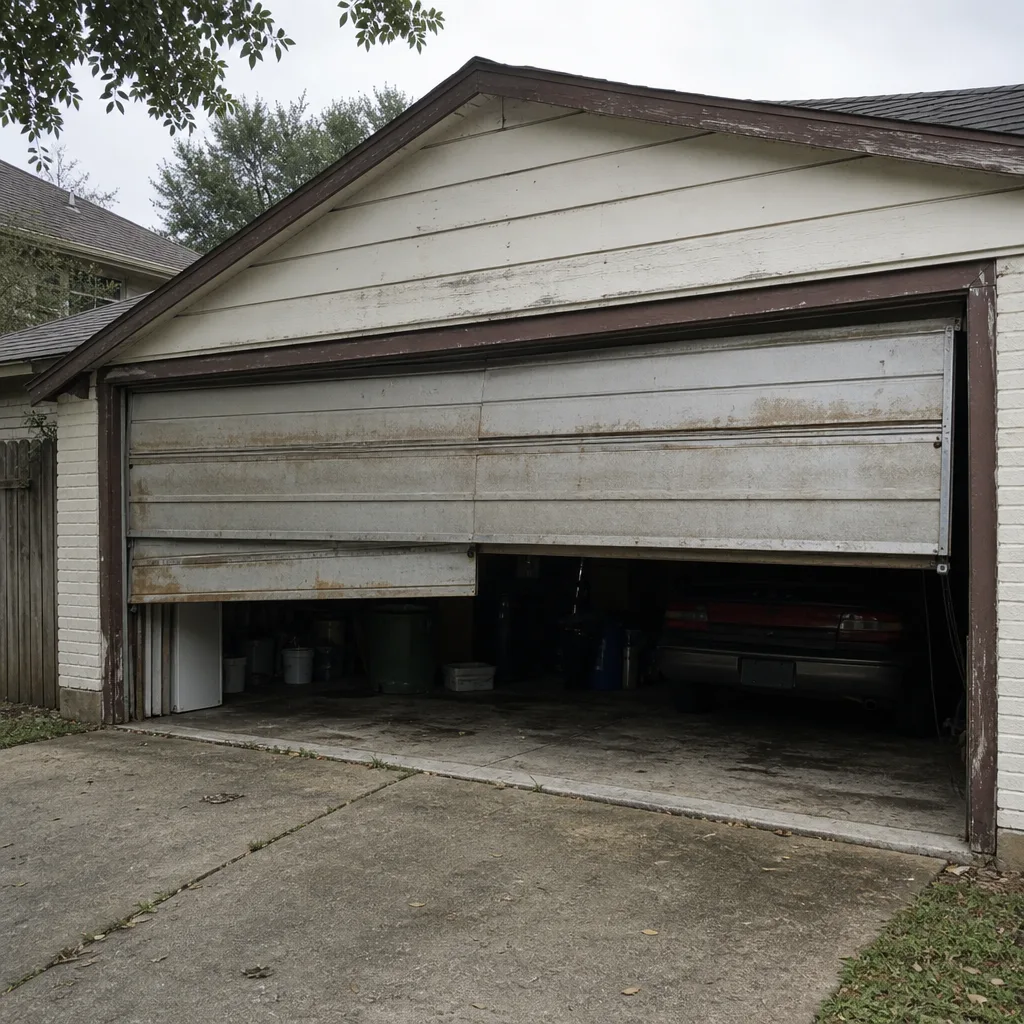 Before
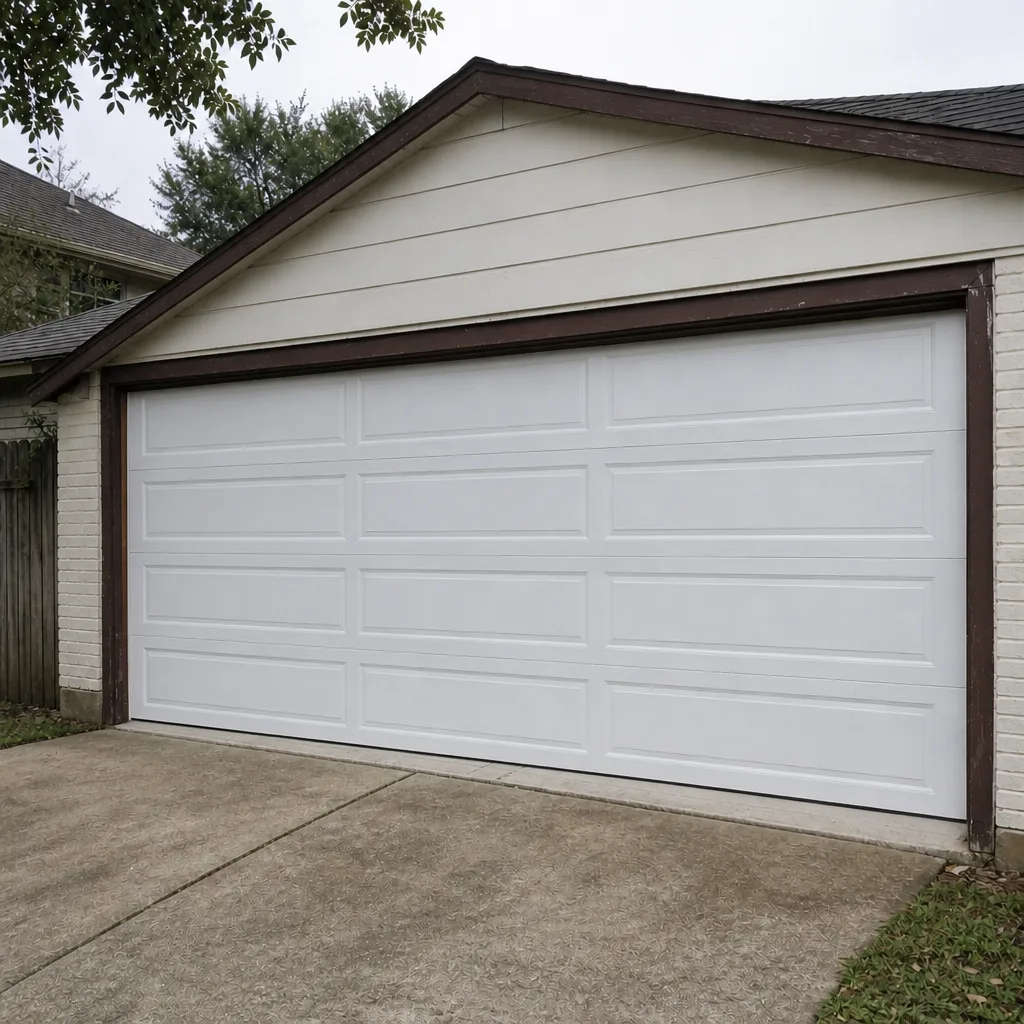 After
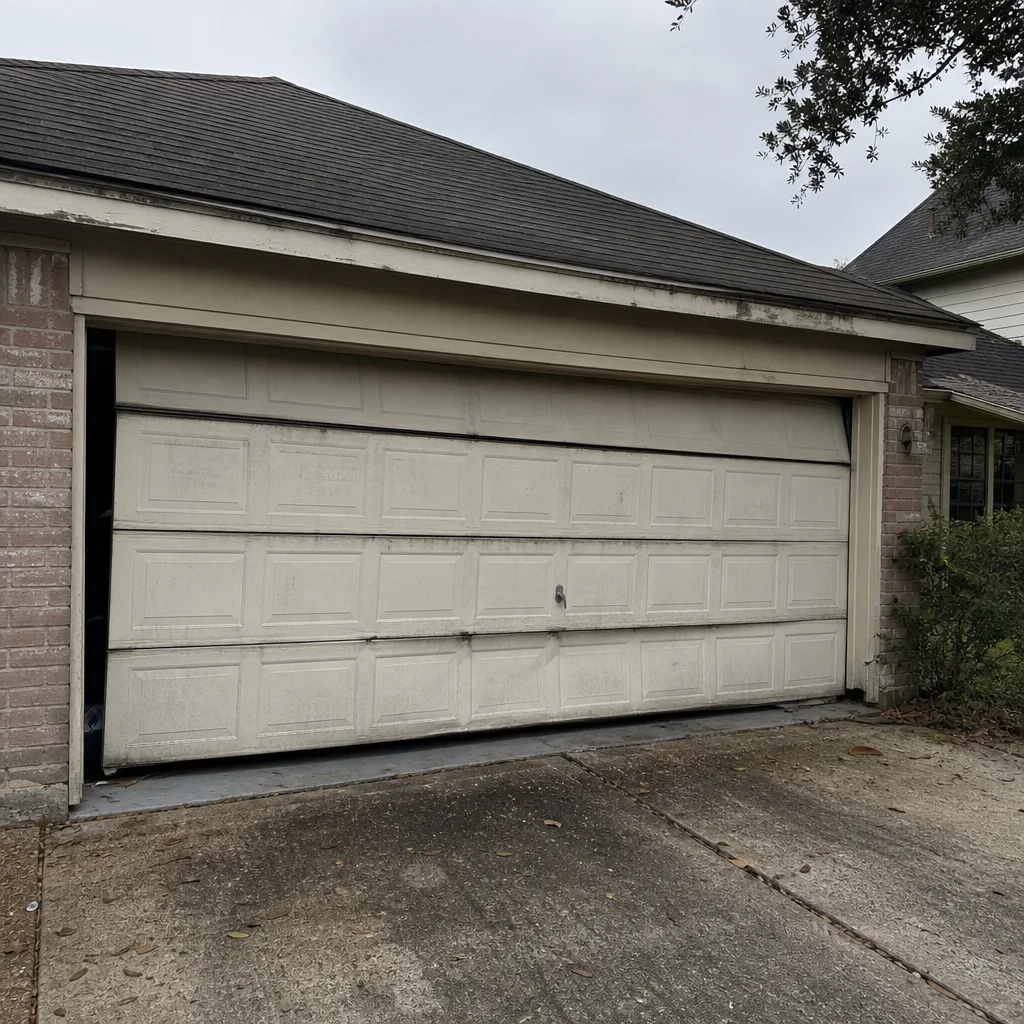 Before
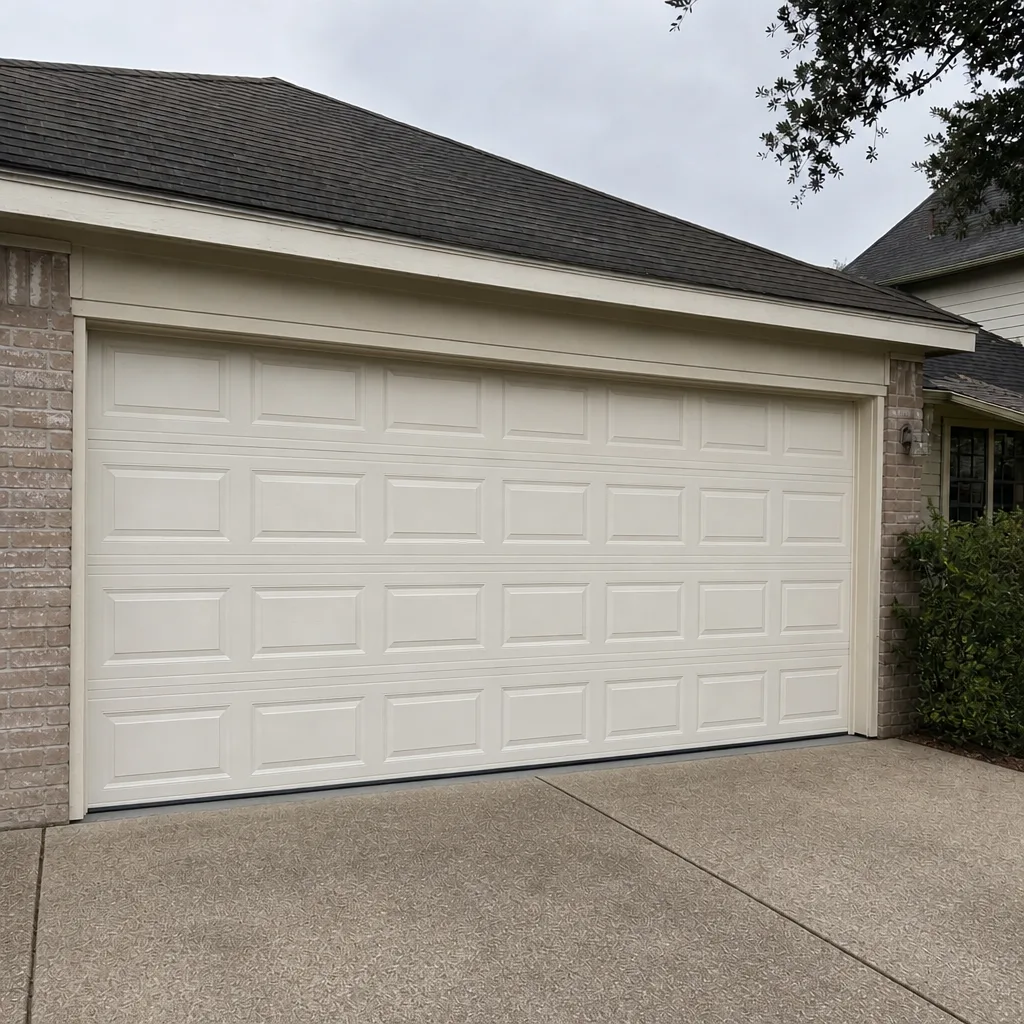 After
Frequently Asked Questions
It depends on the jurisdiction and the scope of the job. A like-for-like replacement – same size, same opening, no structural changes – typically does not require a building permit in most Energy Corridor jurisdictions, but any change to the opening, header, or framing does require one, plus inspection. Confirm with the authority having jurisdiction for your specific address before work starts. Call (855) 337-1190 and we can walk through it with you – estimates are free.
No. Swapping a plug-in garage door opener does not require a building permit in any Energy Corridor jurisdiction, and no inspection is required for the door itself. If new electrical wiring or an outlet is being added, an electrician pulls an electrical permit – but that’s a separate scope from the door opener. Our team can confirm what’s needed for your specific install.
Doors need to meet the design pressure (DP) rating required for the wind zone your specific address falls within under the Texas Building Code and IRC. Every replacement door should carry a manufacturer’s DP label or spec sheet, and the reinforcement hardware (struts, heavier tracks, extra hinges) has to match that rating. Doors sold without a wind-load rating can fail inspection in a wind zone. We can check the rating on your specific model before you buy – call (855) 337-1190.
It can. Unpermitted work that involves structural changes can become the basis for an insurance complication after a storm claim, and it can slow or reprice a sale when the buyer’s title company finds it. The risk depends on the scope of the work and how your carrier handles documentation. TWIA-eligible addresses and Harris County wind zones warrant extra care. Talk to your agent and keep the paperwork if you go ahead.
Energy Corridor HOAs usually require architectural committee approval for door style, color, material, and window configuration before installation, even when no building permit is needed. If you install first and get approval later, the HOA can require removal or modification at your expense. Getting approval in advance takes a short form and a photo of the proposed door.
We can usually narrow it down in a quick call or visit. The fastest check is your water bill or the county appraisal district record, which identifies whether you’re in City of Houston, unincorporated Harris County, or a municipal ETJ. Call (855) 337-1190 and we’ll help you figure out which department to call – no charge for that.
The Bottom Line
Garage door permitting in Energy Corridor is a jurisdiction question first and a code question second. Identify which authority handles your address, know whether your job is a like-for-like swap or a modification (only the second usually needs a permit), and make sure the door you buy carries the wind-load rating required for your zone. Keep the manufacturer’s spec sheet, permit record, and invoice together – they matter at resale and after a storm claim. Skip the paperwork and the door might still work for years, but the missing trail can surface at the exact moment you need it. When you’re ready to move forward, call for a free estimate and a written scope before any work starts.
For a broader look at our services across the metro, see Garage Door Repair Energy Corridor, and our team is always reachable at (855) 337-1190 for a free estimate. We service every major brand – LiftMaster, Chamberlain, Clopay, Amarr, Wayne Dalton, Craftsman, Raynor, and Genie – and our technicians have up to 8 years of experience working on residential systems like yours throughout Houston and the surrounding area.
Ready to plan your project? Call (855) 337-1190 – estimates are free, and we’ll quote your specific job before anyone touches a door.
Written by the team at Garage Door Repair Energy Corridor.