Last updated November 20, 2026
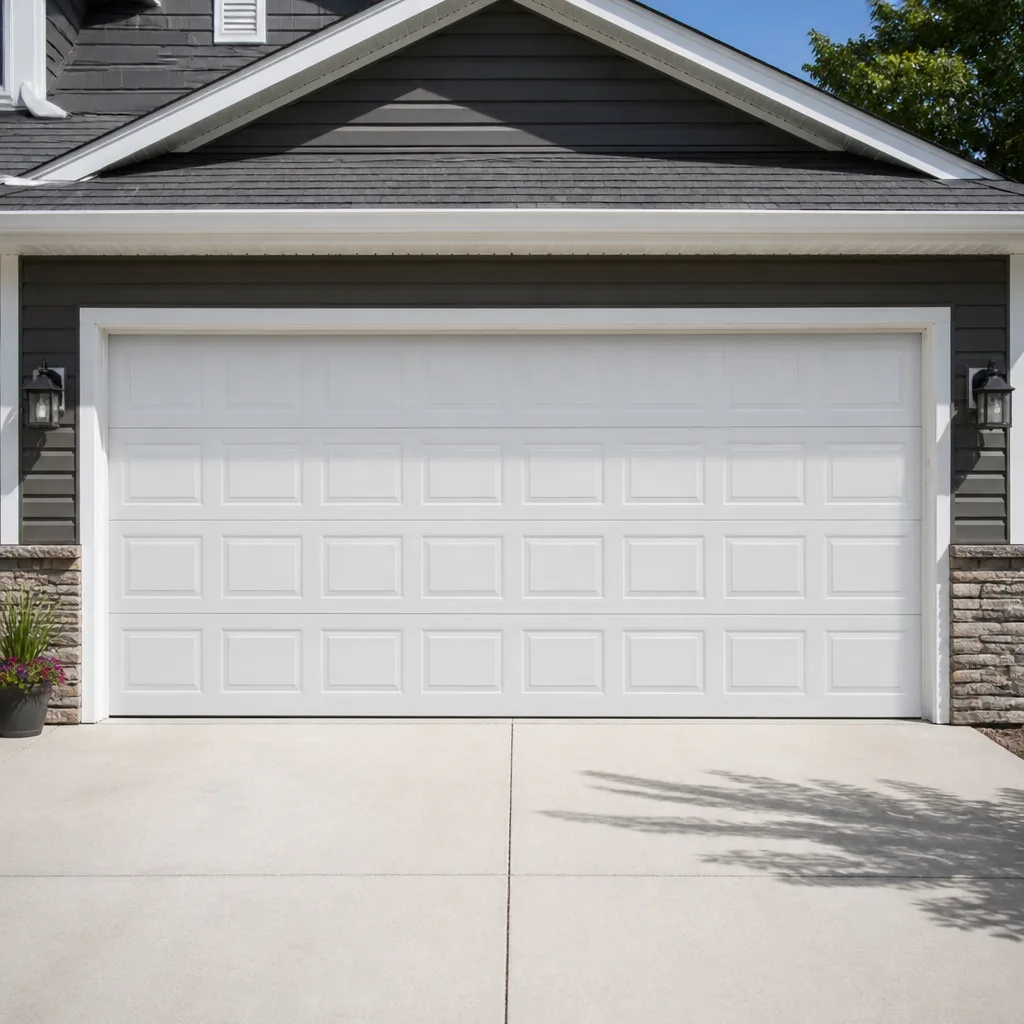 Raised-panel steel
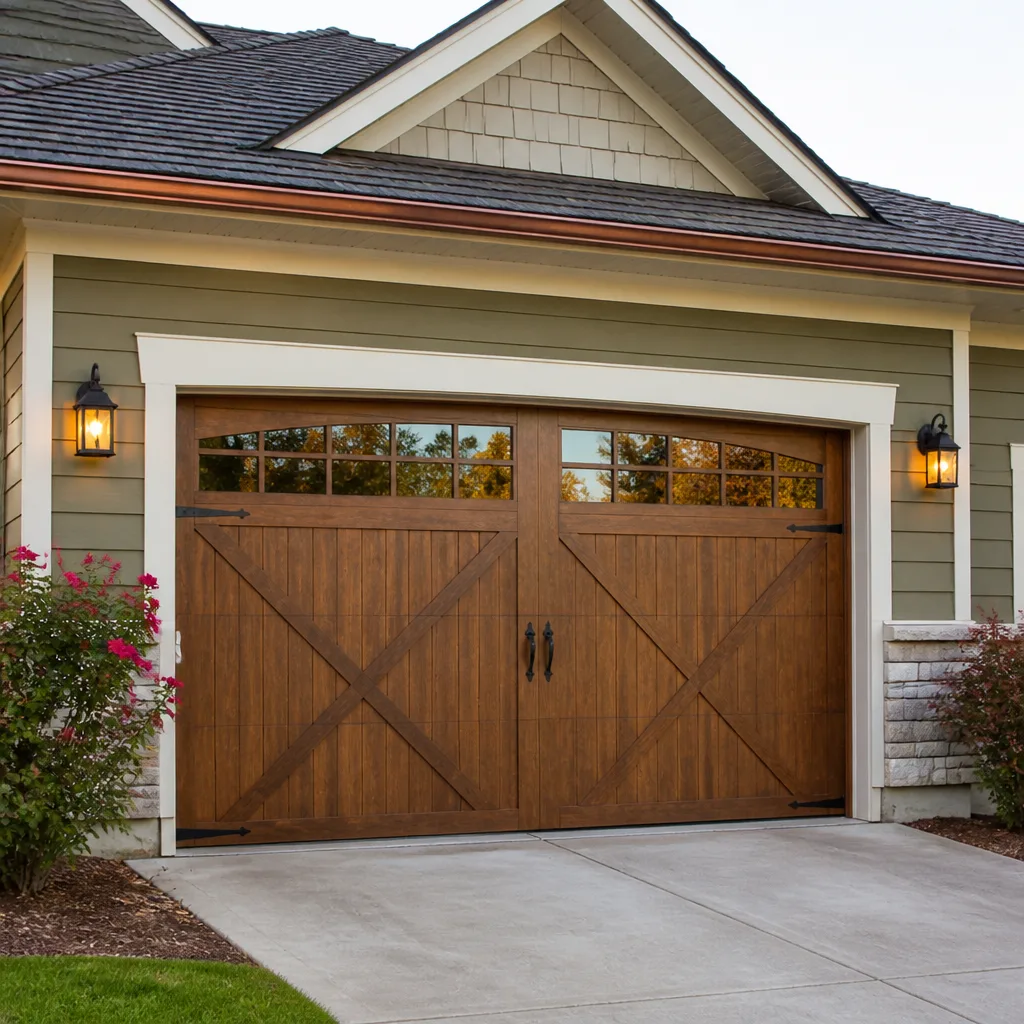 Carriage house
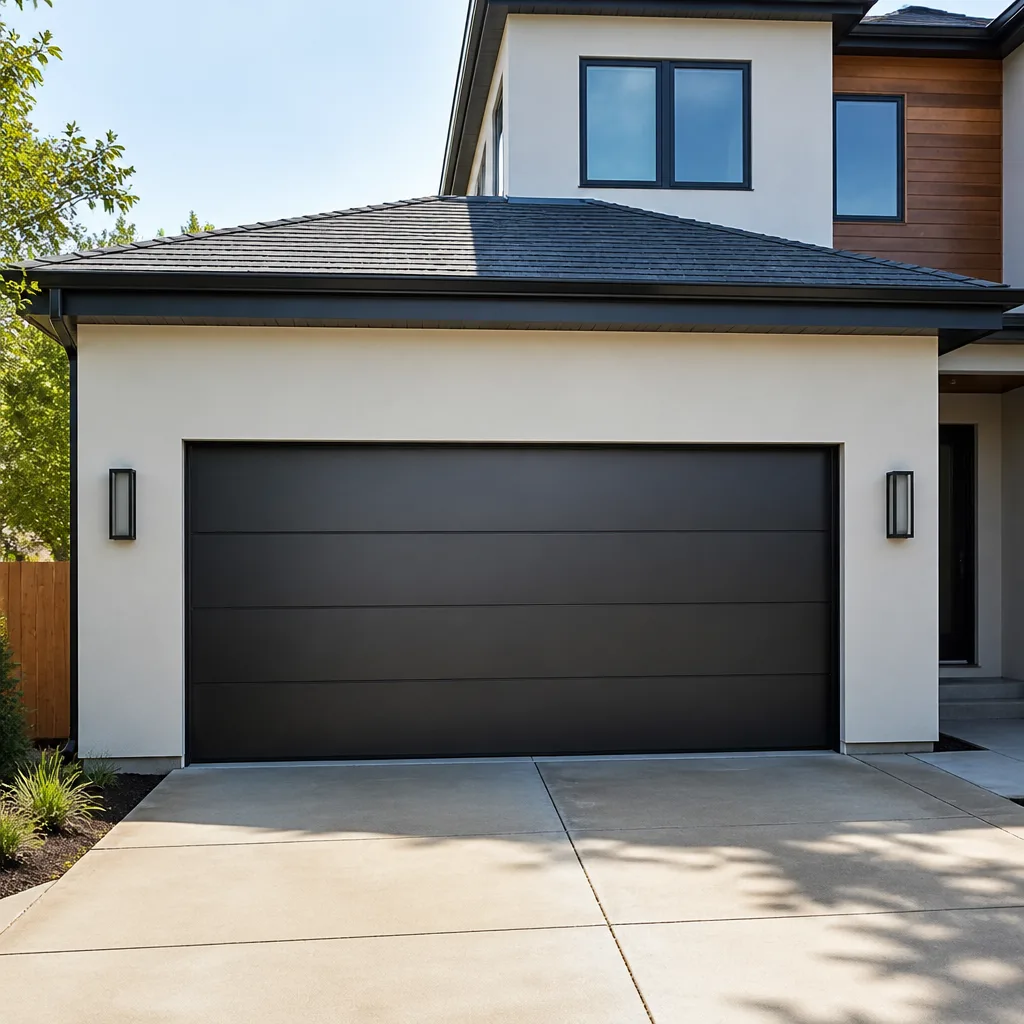 Modern flush
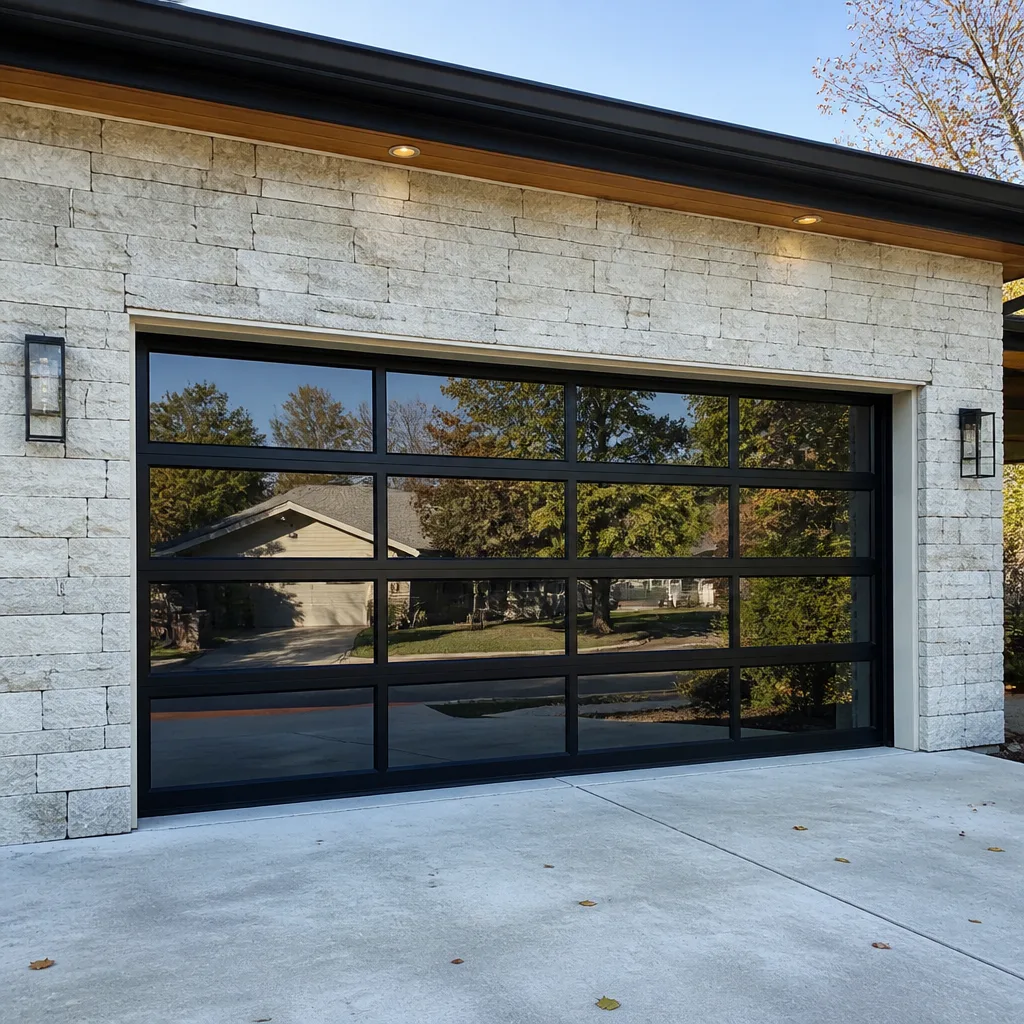 Full-view glass
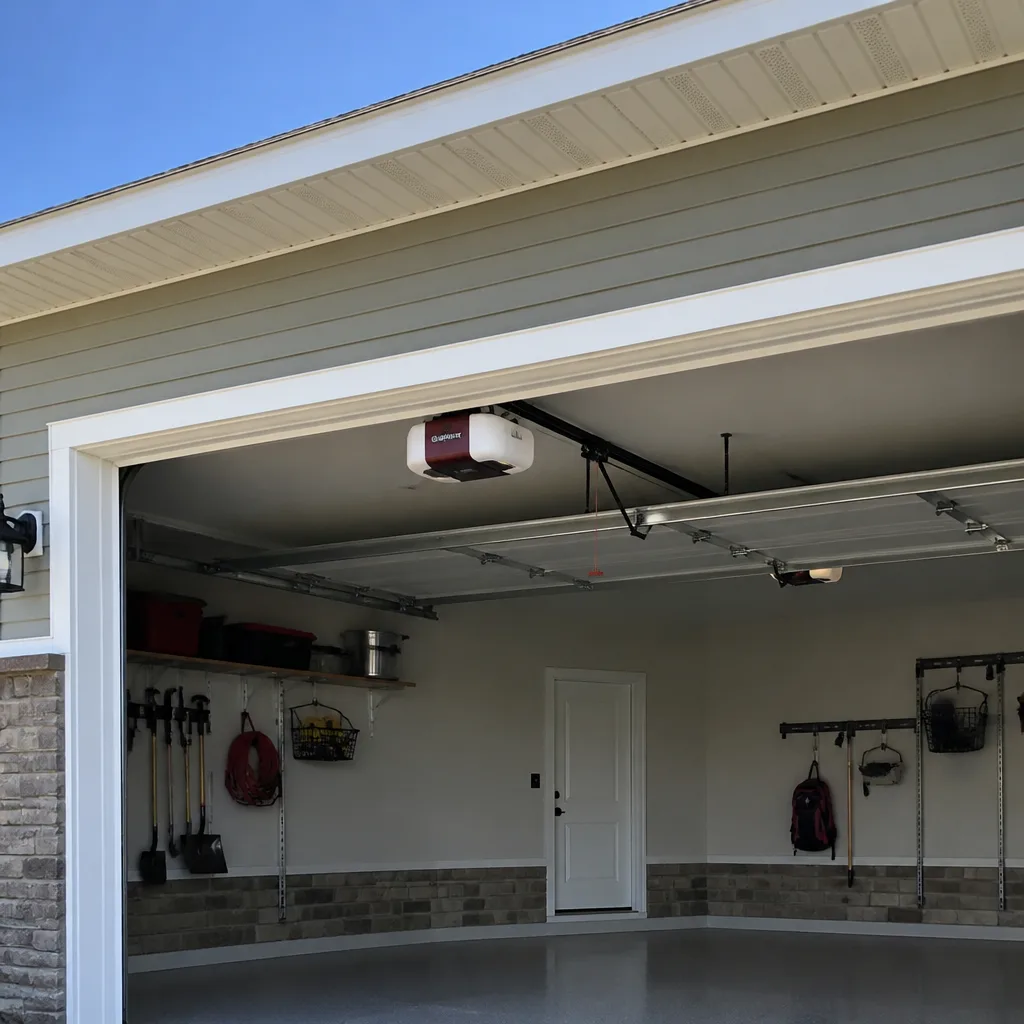 LiftMaster openers
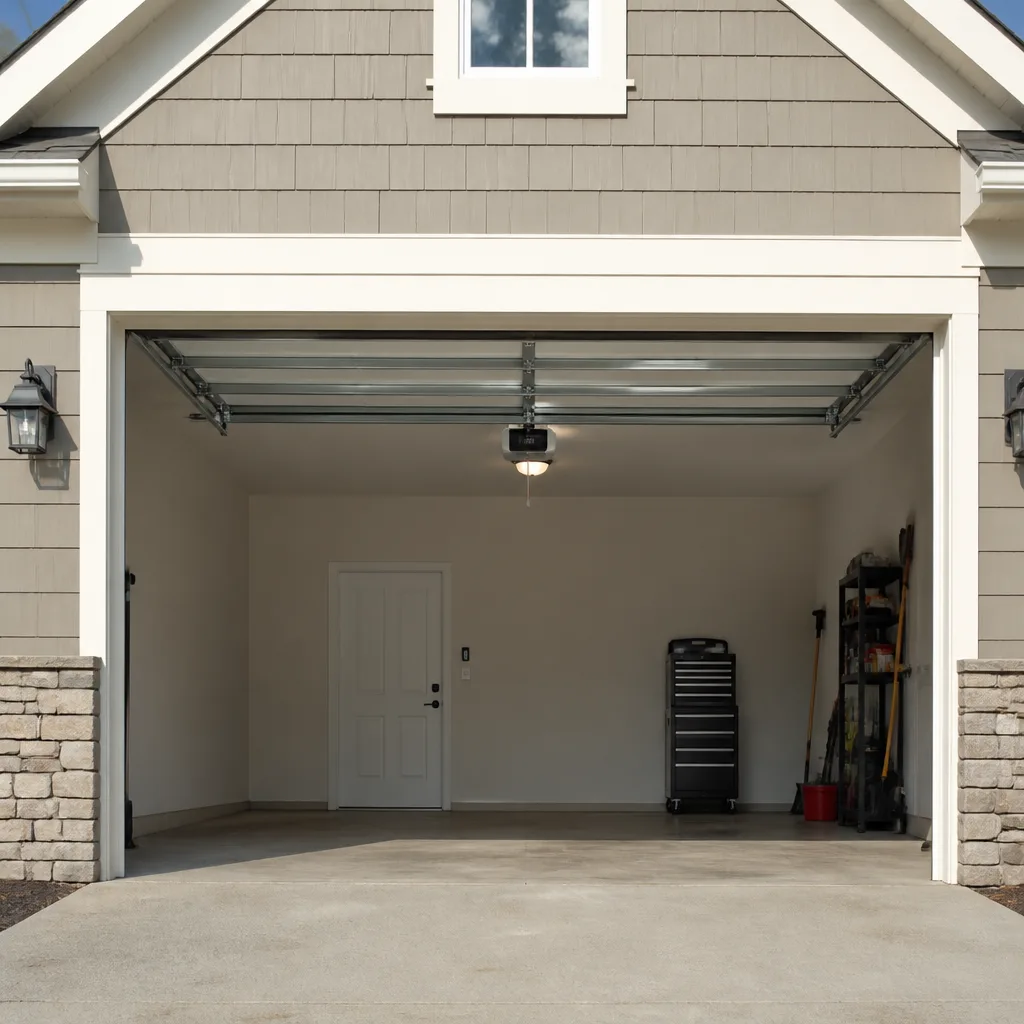 Chamberlain openers
Full 25-point door and opener safety check with every visit - springs, cables, rollers, tracks, and your LiftMaster or Chamberlain opener included
You get a price before we start. It does not change when the pro arrives.
Get your free estimateGarage Door Repair Maintenance Checklist for Energy Corridor Homeowners
If your garage door maintenance checklist doesn’t account for 90% summer humidity, you’re following advice written for someone in Colorado. Most online checklists assume four distinct seasons, dry air, and a long winter that forces homeowners indoors to tinker. None of that describes the Energy Corridor, where the air stays heavy from May through September, wood swells, metal rusts from the inside of a roller, and the insects that build nests in opener housings never really die off. A biannual lubrication schedule borrowed from a northern climate will leave you replacing parts you could have protected. This guide lays out a maintenance routine built for the Gulf Coast climate we actually live in, with the intervals and inspection points that matter here.
Quick Answer
Garage door maintenance in the Energy Corridor should run on a quarterly cycle, not a twice-a-year one, because sustained humidity accelerates rust and friction on rollers, hinges, and springs faster than dry climates do. Check lubrication, photo-eye lenses, weather seals, and opener vents every three months, and inspect torsion springs for surface rust versus structural corrosion at least twice a year. Most of this you can do yourself in twenty minutes; spring replacement and anything involving the torsion system belongs to a trained technician.
Styles & brands we work with
- Raised-panel steel
- Carriage house
- Modern flush
- Full-view glass
- LiftMaster openers
- Chamberlain openers
Table of Contents
- Why Energy Corridor Climate Changes the Maintenance Checklist
- The Quarterly Lubrication Schedule That Works Here
- Humidity-Specific Checklist Items Most Guides Skip
- How to Inspect Torsion Springs for Rust Versus Corrosion
- Opener Vent Inspection: Mud Daubers, Wasps, and Dust
- Weather Seal Compression in Heat and Humidity
- What to Log at Every Service Visit
- When to Call an Energy Corridor Technician
Why Energy Corridor Climate Changes the Maintenance Checklist
Standard garage door advice assumes a climate that dries out. The Energy Corridor doesn’t cooperate. Relative humidity here sits high for months, and the inside of a garage – even an attached garage that shares a wall with conditioned space – holds moisture longer than the outside air because it’s shaded and poorly ventilated. That trapped damp air is what drives most of the premature wear we see on doors in this part of Houston.
What that means in practical terms:
- Rust forms faster on steel parts. Roller bearings, hinge pins, and the bottom bracket all sit low where moisture settles. A roller that would last years in a dry climate can seize in two or three humid seasons if it’s never lubricated.
- Wood products swell. Wood overlay panels and wood composite doors pick up moisture and expand slightly. When they dry later they don’t always return to their original shape, which can warp the panel or stress the hardware holding it.
- Seals lose their spring. The rubber or vinyl weather seal along the bottom of the door softens and compresses in heat, then hardens. In a climate that swings between damp heat and cool nights, that cycling wears the seal faster than steady cold would.
- Insects stay active. There’s no hard freeze to knock down pest populations, so opener housings become year-round real estate for mud daubers and wasps.
None of this means Energy Corridor doors are fragile. It means the maintenance cadence has to match the climate. A checklist built for here looks different from one written for a place with a real winter, and the sections below show exactly where.
The Quarterly Lubrication Schedule That Works Here
Lubricate your garage door’s moving parts every three months in the Energy Corridor, not every six. Garages here hold humidity long enough that a light lubricant film breaks down between biannual services. Quarterly keeps a protective layer on the parts that rust and grind.
Here’s the order that makes sense:
- Wipe before you lubricate. Run a dry cloth along the torsion springs, hinges, and roller stems first. Lubricating over grit or rust dust just grinds it into the surface. In humid months, that first wipe often comes back orange-brown, which tells you the schedule matters.
- Use the right product. A lithium grease or a dedicated garage door lubricant works on hinges and roller bearings. Avoid heavy axle grease, which traps dust, and skip WD-40 as a long-term solution – it’s a penetrant, not a lasting lubricant.
- Lubricate the hinges at the pin. Each hinge has a joint that folds every time the door cycles. A drop at each joint, on the interior side, keeps them moving without flinging grease onto the door face.
- Hit the roller bearings, not the tracks. The rollers ride in the track but the friction point is the bearing inside each roller. Grease the stem and the bearing, then wipe excess. Never grease the inside of the track itself – it collects debris and turns into a paste.
- Lubricate the springs lightly. A thin coat on torsion springs helps slow surface rust. Use a rag, not a spray can aimed at the whole door. We recommend a light coat once per quarter.
- Cycle the door and listen. After lubrication, run it up and down twice. A door that still grinds after a proper lube job has a mechanical problem, not a lubrication problem.
When you need a repair beyond routine lubrication, garage door repair handles the diagnosis and fix. Our technicians have up to 8 years of experience working on the brands most Energy Corridor homes have installed, including Clopay, Amarr, and Wayne Dalton.
Humidity-Specific Checklist Items Most Guides Skip
These are the maintenance tasks that matter in a subtropical climate and get left off northern checklists entirely. Go through them every quarter during the humid season and twice a year otherwise.
Photo-Eye Lens Fogging
The safety photo-eyes on either side of your door opening have small plastic lenses. In high humidity, condensation forms on those lenses, and the beam either weakens or bounces back. A fogged lens can cause the door to reverse unexpectedly, or refuse to close. Wipe both lenses with a dry microfiber cloth every month in summer. If the door still behaves erratically after cleaning, the issue may be alignment rather than dirt – that’s a job for a technician, and garage door opener repair covers the sensors along with the opener itself.
Wood Panel Moisture Checks
If your door has wood overlay panels or a wood composite construction, run your hand across the panels after a stretch of humid weather. Feel for soft spots, raised grain, or any swelling at the panel edges. Wood that absorbs moisture and doesn’t dry out evenly will eventually warp or delaminate. A fresh seal or repaint on the interior side helps slow that process. Doors from Clopay and Wayne Dalton with wood composite panels need this check more often than steel doors.
Weather Seal Compression Loss
The bottom seal should touch the floor along its whole length. In heat, the rubber softens and takes a set. When the temperature drops the seal might not spring back, leaving a gap. Press down on the seal and see if it returns. If it stays flattened, moisture and pests get in. Replacement seals are inexpensive parts, and they’re one of the items we stock directly so there’s no waiting on a distributor order.
Hardware Fastener Check
Humidity loosens bolts slowly, and door vibration finishes the job. Take a socket wrench to the hinge bolts and the bracket fasteners once a quarter. Snug, not cranked – overtightening strips the metal around the bolt hole.
How to Inspect Torsion Springs for Rust Versus Corrosion
A torsion spring that has a light orange coat of surface rust is a cosmetic concern, not a safety hazard. A spring with deep pitting, flaking, or visible cracks is structural corrosion and needs replacement. The difference matters because it’s the difference between a wipe-down and a professional call.
Here’s how to tell the two apart:
- Surface rust: a thin, even orange film across the coil that wipes away or lightens when you rub it with a cloth. The metal underneath is smooth. This is normal in the Energy Corridor climate and slows with a quarterly wipe-down and light lubricant coat.
- Structural corrosion: brown or black pitting where the metal looks eaten into, flaky scale that comes off on your finger, or a spring that looks thinner in one section than another. This is the spring losing material and weakening.
- Cracks or gaps: a visible split in the coil, or a gap where the coil used to sit tight, means the spring has failed or is about to. Stop using the door.
Do not touch, adjust, or try to wind a torsion spring. These springs are under heavy tension and can cause serious injury if handled by someone without the right tools and training. Visual inspection from a distance is all a homeowner should do. If you see structural corrosion or a crack, call a professional. We perform spring repair with trained technicians because it’s one of the highest-risk jobs on any garage door.
The most common failure mode in an Energy Corridor garage is a spring that rusted slowly for years and then snapped. The snap is loud, the door becomes dangerously heavy, and the opener may strip its gear trying to lift a door it can’t handle. Catching it during a quarterly visual check is far cheaper than catching it after it fails.
Opener Vent Inspection: Mud Daubers, Wasps, and Dust
Openers in the Energy Corridor run into an issue that most maintenance guides ignore entirely: insects. Mud daubers build nests on and inside opener housings, and wasps often follow. Because there’s no cold season to wipe out the population, opener housings become popular real estate year-round.
Check every opener quarterly:
- Look at the vents. Most openers have ventilation slots on the housing. A mud dauber nest is a small gray-brown mass of dried mud, often built right across the vents or in the gaps around the motor. Clear any dirt, dust, or nest material away with a soft brush.
- Check the rail and chain area. Wasps sometimes build in the pocket where the rail meets the motor head. Look for papery cells or a nest before reaching in.
- Listen for motor strain. A motor that sounds louder or slower than usual may be overheating because the vents are blocked. Dust buildup and nest material both restrict airflow.
- Do not spray insecticide into an opener housing. The chemicals can damage circuit boards and motor windings. If there’s an active nest, call a pest professional or a garage door technician rather than spraying blindly.
Openers from LiftMaster, Chamberlain, Genie, and Craftsman all have different vent layouts, but the inspection principle is the same. Our technicians are trained on all of them, and our garage door opener repair service covers everything from sensor issues to motor replacement. When you’re ready to replace an aging unit rather than repair it, garage door installation handles the full job.
Weather Seal Compression in Heat and Humidity
The bottom weather seal is the simplest part on your door and one of the most important. In the Energy Corridor it takes a beating from heat that softens the rubber and humidity that keeps it from ever fully drying out. A worn seal lets in water, insects, and hot air.
Quarterly inspection routine:
- Close the door and look for daylight. A narrow line of light along the bottom edge means the seal isn’t making contact. On a sloped floor this can also mean the door needs adjustment, not just a new seal.
- Check the seal’s flexibility. Press a thumb into the rubber. A healthy seal is springy and returns quickly. A heat-set seal feels hard or flattened.
- Look at the ends. The seal often cracks first at the corners where the sun hits it directly. Small cracks become full splits within a season.
- Check the sides and top. Side seals and the top seal also need a look. Side seals get compressed by the door edge every cycle, and top seals can pull away from the frame.
Replacing a bottom seal takes minutes once you have the correct size. We stock seals and side weatherstrip directly because it’s a common wear item. Measure the door width before you call or order.
What to Log at Every Service Visit
The single most useful maintenance habit in a humid climate is keeping a written record. A log lets a technician spot deterioration trends across visits rather than treating each call as a fresh start. It’s also how you catch a rusting spring or a swelling wood panel before it becomes a replacement job.
Log these items each time you inspect or have the door serviced:
- Date and season. Note the month and weather conditions. A spring that rusted through in a humid August is a different problem from one that failed in a dry January.
- Lubrication performed. Which parts, what product, and how long it had been since the last job. If you find yourself lubricating more often than quarterly, that’s a sign to investigate.
- Photo-eye condition. Note any fogging, condensation, or alignment drift. Recurring issues on one side may mean the sensor is going bad.
- Seal condition. Record visible cracks, stiffness, or gaps. Compare from one visit to the next – a seal that compressed a quarter-inch in three months is telling you something.
- Spring appearance. Note whether rust is surface or structural. Photograph the springs if you’re unsure. A comparison photo from six months ago makes trends obvious.
- Alerts to a technician. Any griding, jerking, slow response, or unusual noise. This is the most valuable entry in the whole log.
When a technician visits, hand over your log. It gives them a history that a quick walk-around can’t. Our technicians have up to 8 years of experience, and a clean log makes every service call faster and more precise.
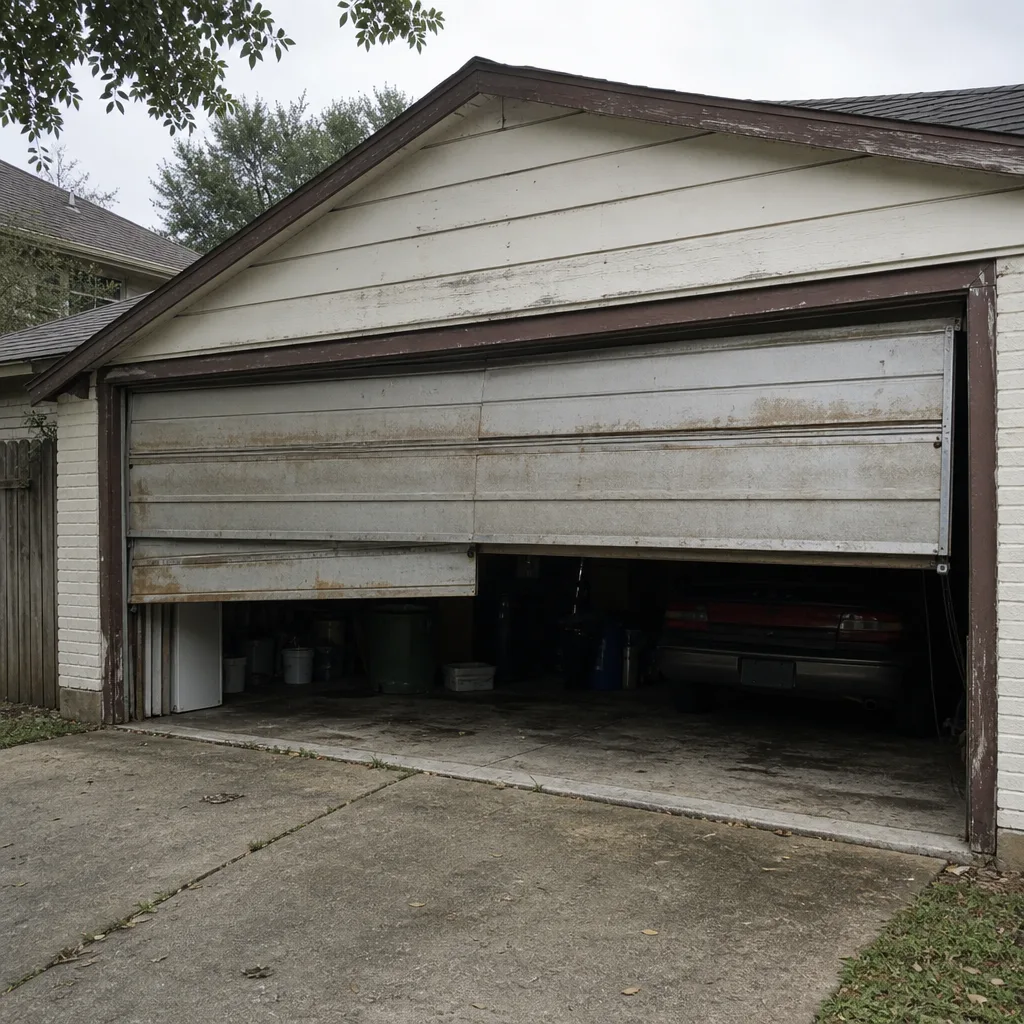
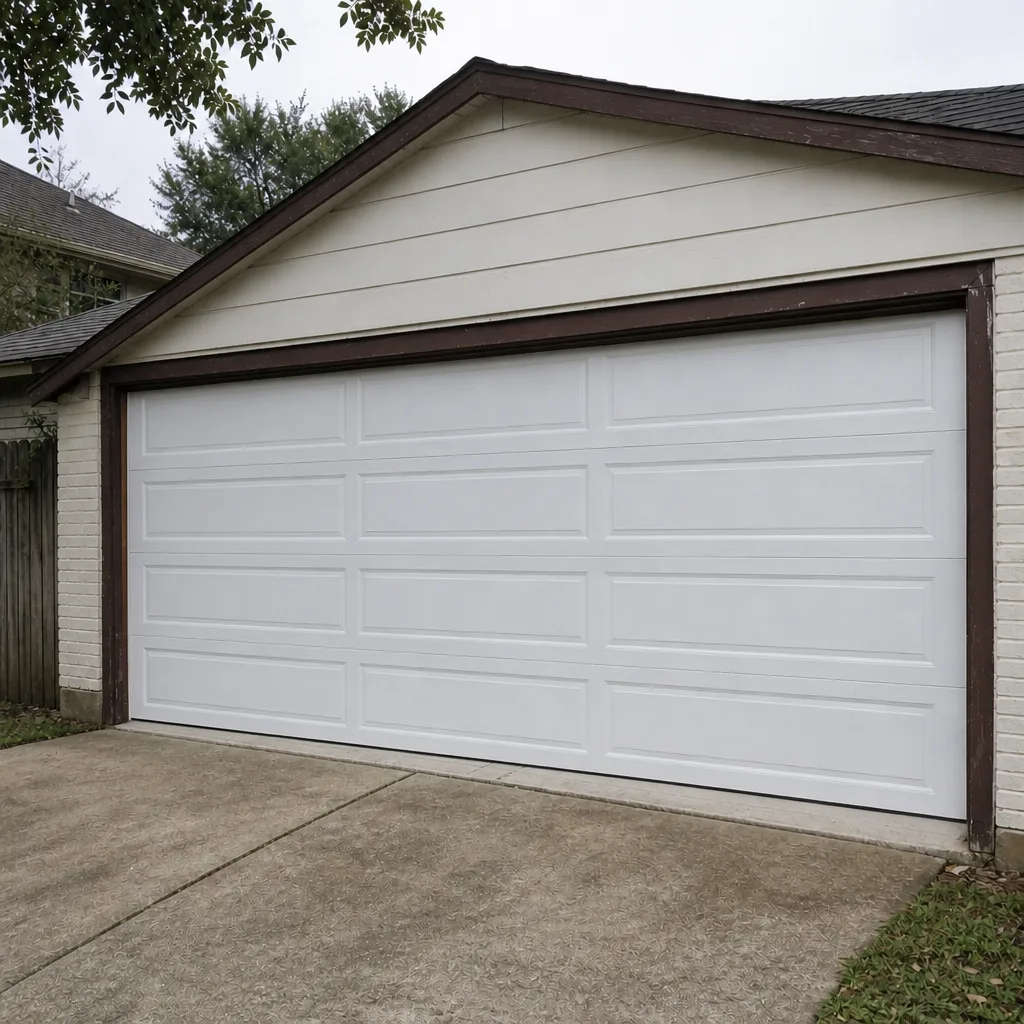
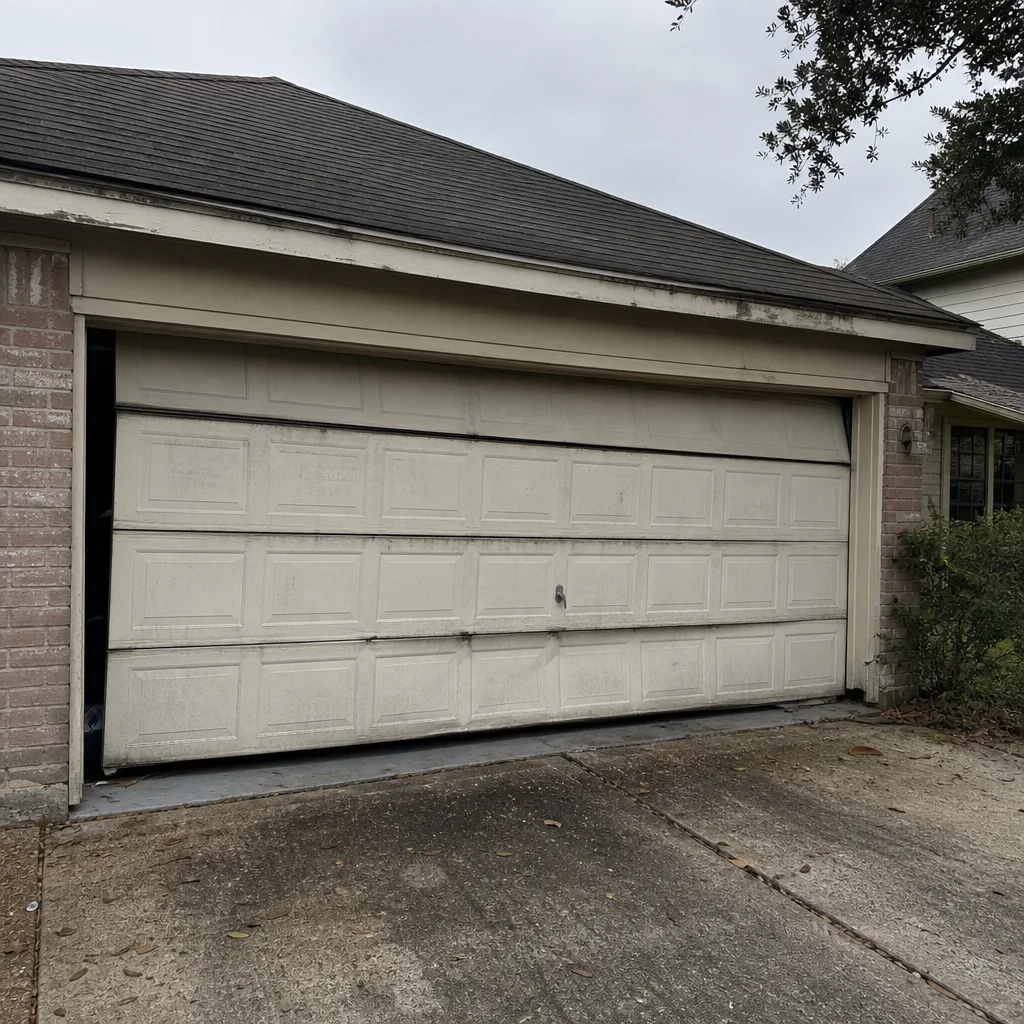
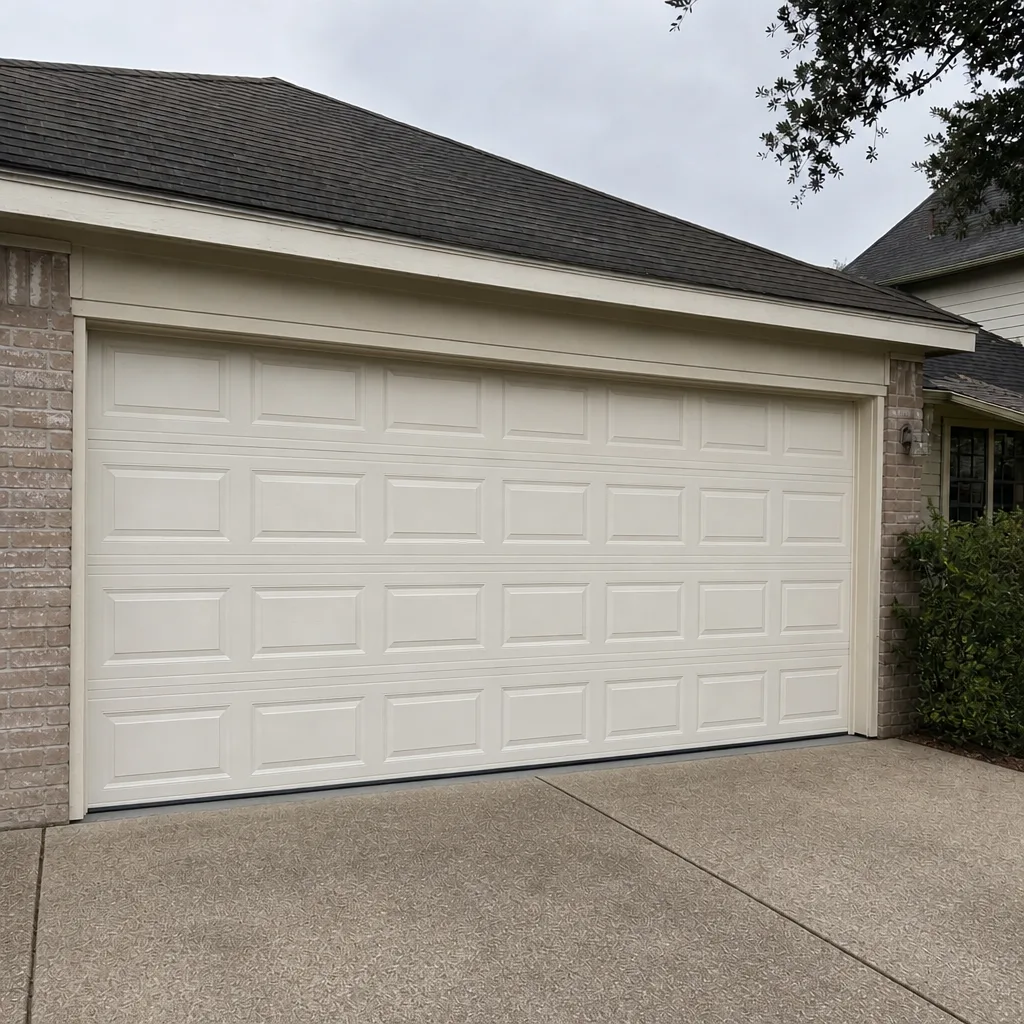
See the difference
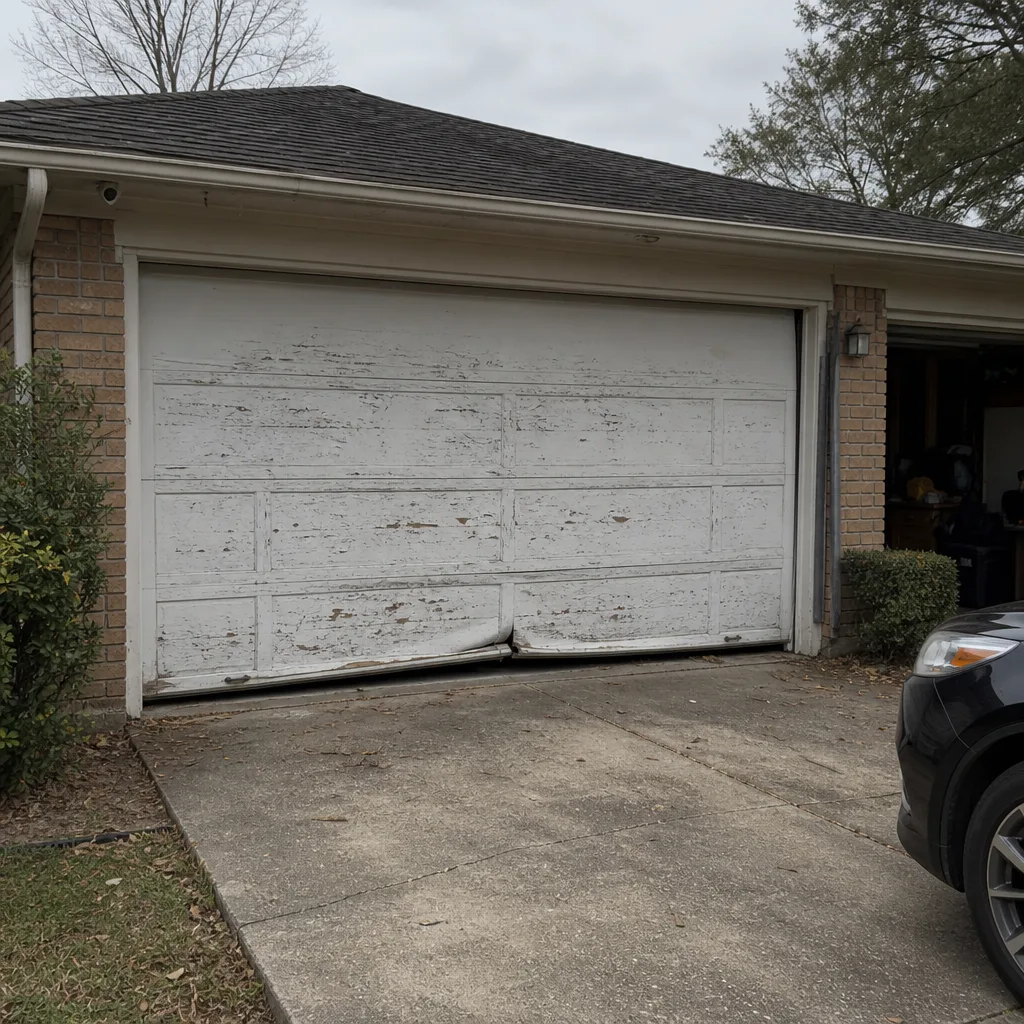 Before
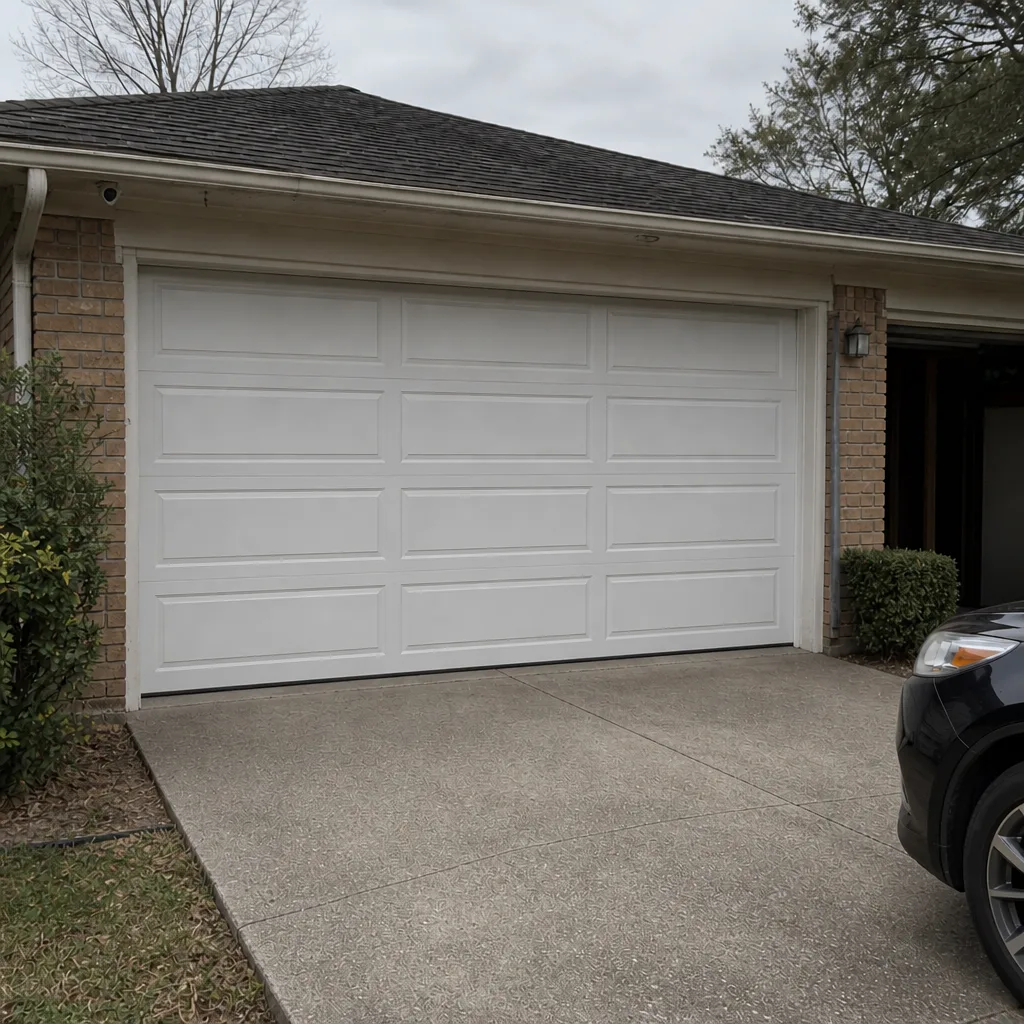 After
 Before
 After
 Before
 After
Common Mistakes to Avoid
- Following a biannual lubrication schedule. A checklist written for a dry climate will let your hardware rust between services. In the Energy Corridor, quarterly is the right interval, especially for the hinges and roller bearings that sit low where damp air collects.
- Greasing the door tracks. It feels logical, but lubricant on the track turns into a dust and debris paste that makes the rollers slide worse. Lubricate the bearings and hinges, and keep the tracks clean and dry.
- Ignoring the photo-eyes until the door misbehaves. Condensation on the lenses is common here and easy to clear with a quick wipe. Wait too long and you’ll assume the opener is failing when it just needs a clean sensor.
- Painting over a wood-panel moisture problem. Sealing a wet wood panel traps the moisture inside and accelerates rot or delamination. Let the wood dry and find the source of the moisture before coating it.
- Spraying insecticide into an opener housing. A mud dauber nest in the vents is common enough in the Energy Corridor that it tempts a quick spray. The chemicals can damage the circuit board and motor windings. Clear the nest by hand or call a technician.
- Trying to adjust a torsion spring yourself. These springs are under heavy tension and require specialized tools and training. A spring under tension can cause serious injury, and there’s no DIY version of this job that’s safe.
- Skipping the service log. Without a record, every service call starts from zero. A simple log reveals trends a one-time inspection can’t.
When to Call a Professional
Some maintenance is homeowner territory. Some isn’t. Call a professional when the door is out of balance, when you see structural corrosion or a crack on a torsion spring, when the opener strains or the door reverses on its own, or when the door won’t close fully and a seal replacement hasn’t fixed it. Also call when you see mud dauber activity in the opener vents that you can’t safely clear, or when the door cycles with grinding or jerking that lubrication doesn’t resolve. Anything involving the spring system, cable, or torsion bar goes straight to a technician. Garage Door Repair Energy Corridor offers free estimates in Energy Corridor – call (855) 337-1190. Our technicians are trained on all eight major brands, and we sell parts directly so there’s no wait for a distributor order. We can work with your insurer if that’s needed. The price is quoted and agreed before any work starts.
If a door fails on a Saturday and you need work done on a Sunday, call us and we’ll book you in – we’re closed for regular service on Saturdays. For general scheduling, our Monday through Friday hours are the norm.
Frequently Asked Questions
Every three months. The humidity here keeps a light lubricant film from holding up the way it would in a drier climate, so quarterly lubrication on the hinges, roller bearings, and torsion springs prevents most rust-seizure issues. If you hear grinding between quarterly cycles, lubricate sooner. Call (855) 337-1190 for a free estimate if the noise doesn’t clear up.
Light surface rust is cosmetic and can be wiped down with a cloth and a light coat of lubricant. Structural corrosion is different: look for pitting, flaking metal, or visible cracks. That means the spring is losing material and needs replacement, which cannot be done safely without professional tools and training. Call us to inspect it – estimates are free.
The vents on an opener housing offer shelter and warmth, and in the Energy Corridor climate they’re available year-round because there’s no hard freeze. Mud daubers build small dried-mud nests that block the vents and can cause the motor to overheat. Clear the nest by hand with a soft brush, never spray insecticide into the housing.
Close the door and look for a line of daylight along the bottom edge, feel the rubber for stiffness or flattening, and check the ends where sun damage shows first. A seal that stays flattened when you press it, or that lets daylight through, needs replacement. We stock seals directly so there’s no wait.
Yes – we service all eight major brands: LiftMaster, Chamberlain, Genie, Clopay, Amarr, Wayne Dalton, Craftsman, and Raynor. Our technicians have up to 8 years of experience across those systems, whether it’s a L
Written by the team at Garage Door Repair Energy Corridor.