Last updated November 20, 2026
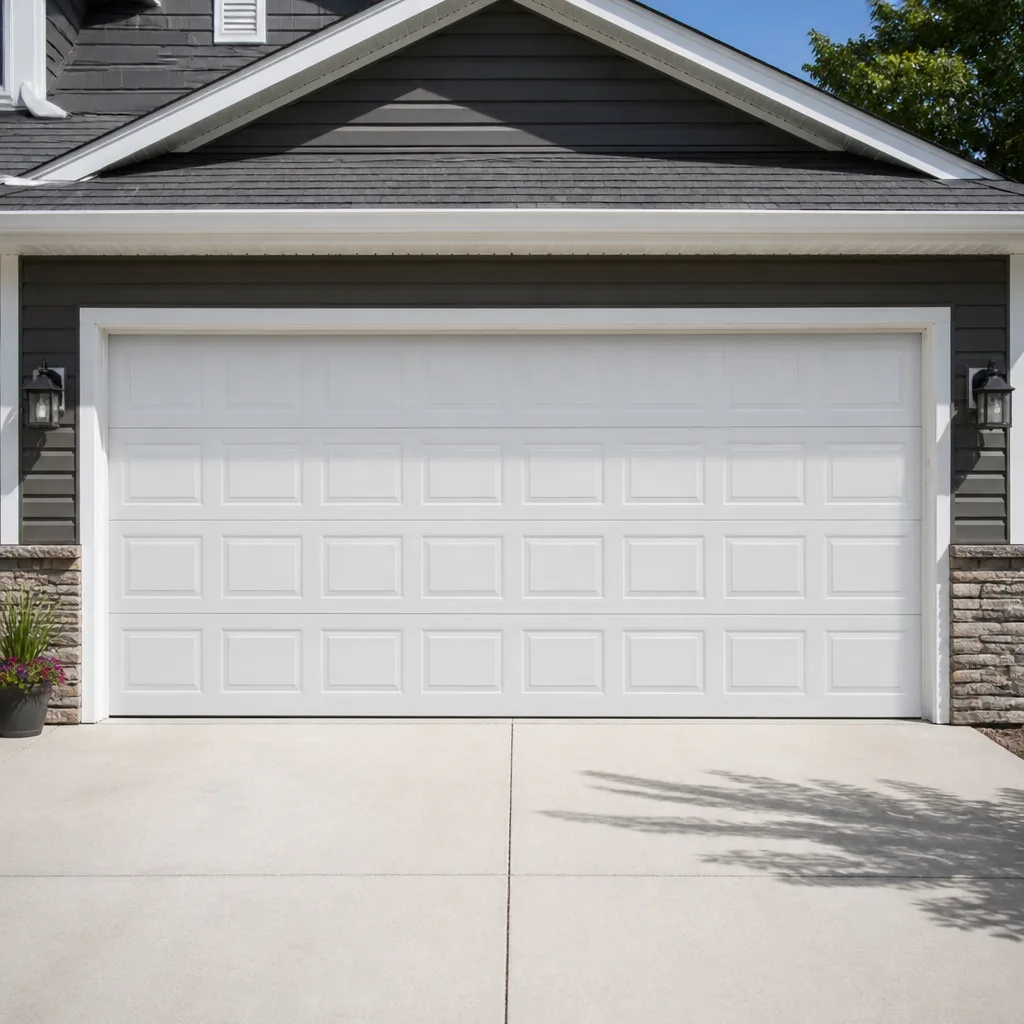 Raised-panel steel
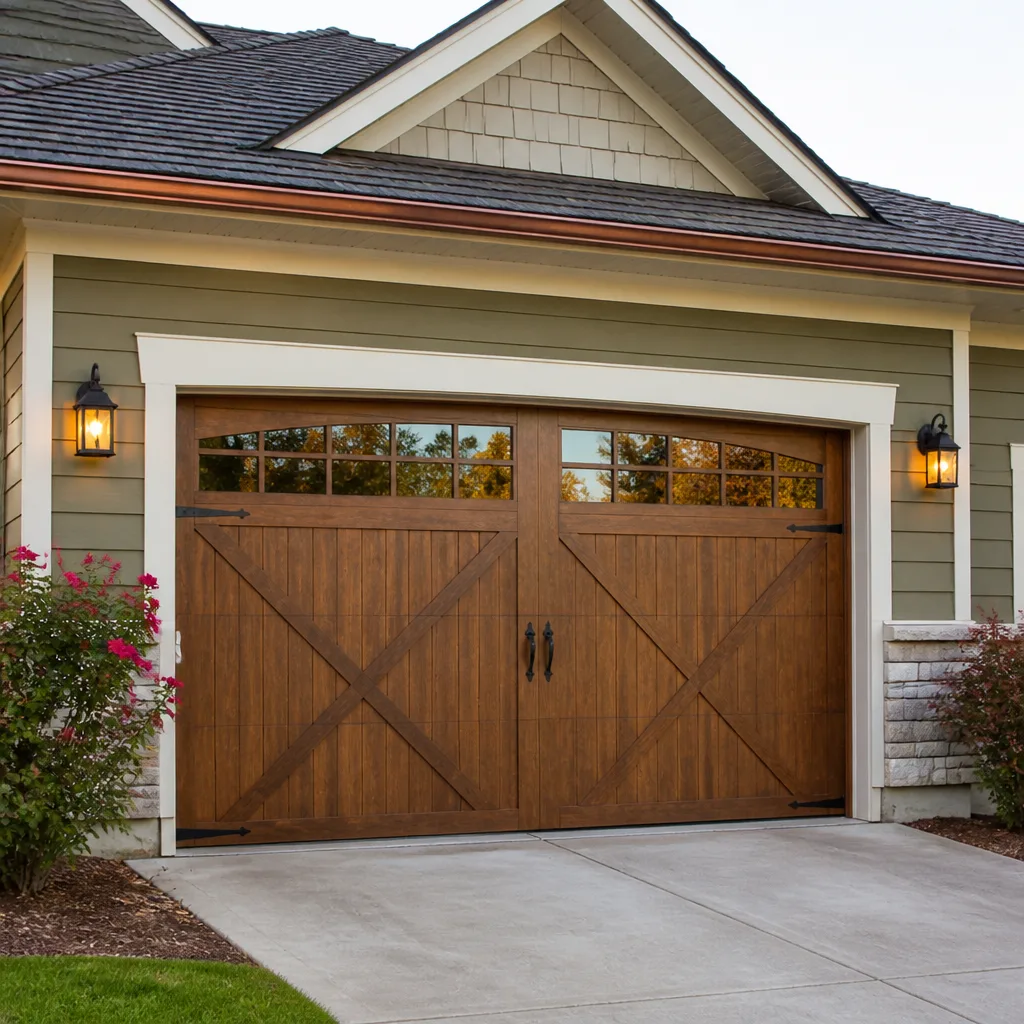 Carriage house
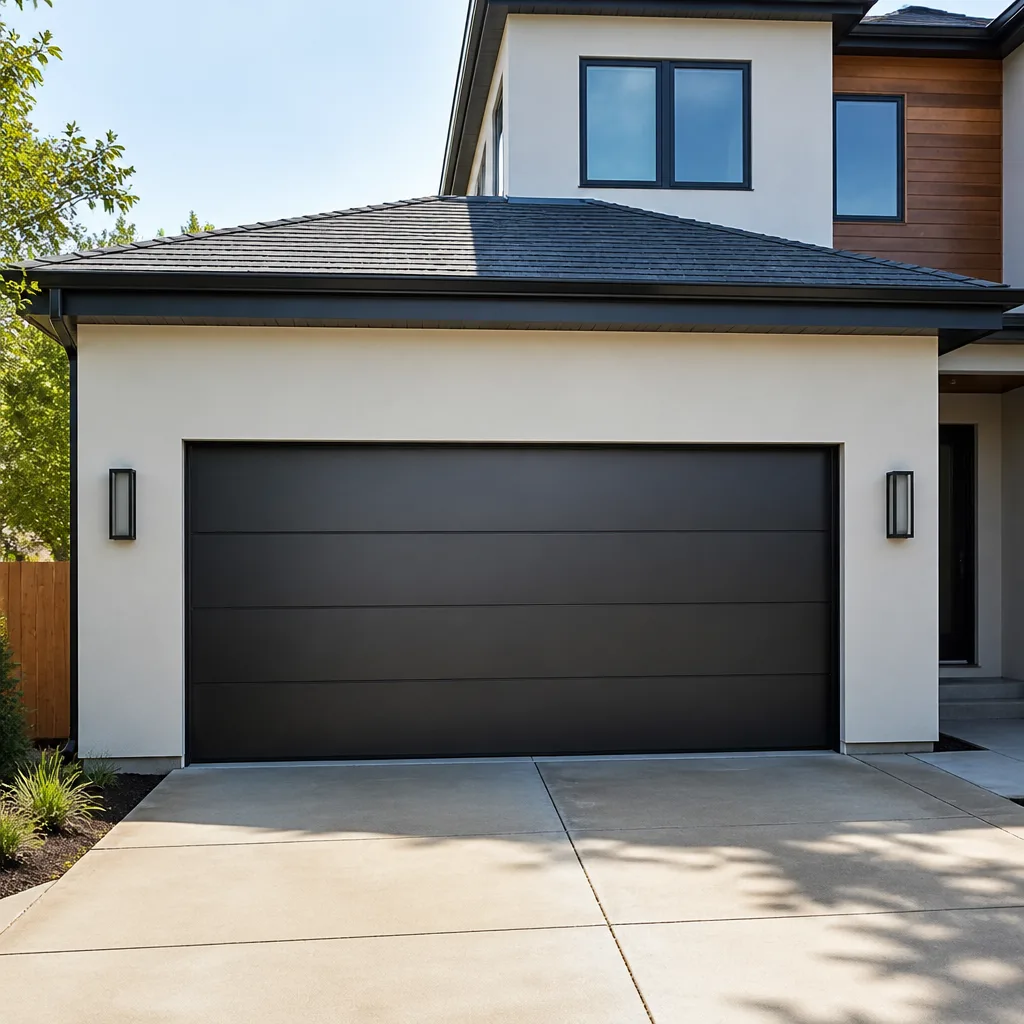 Modern flush
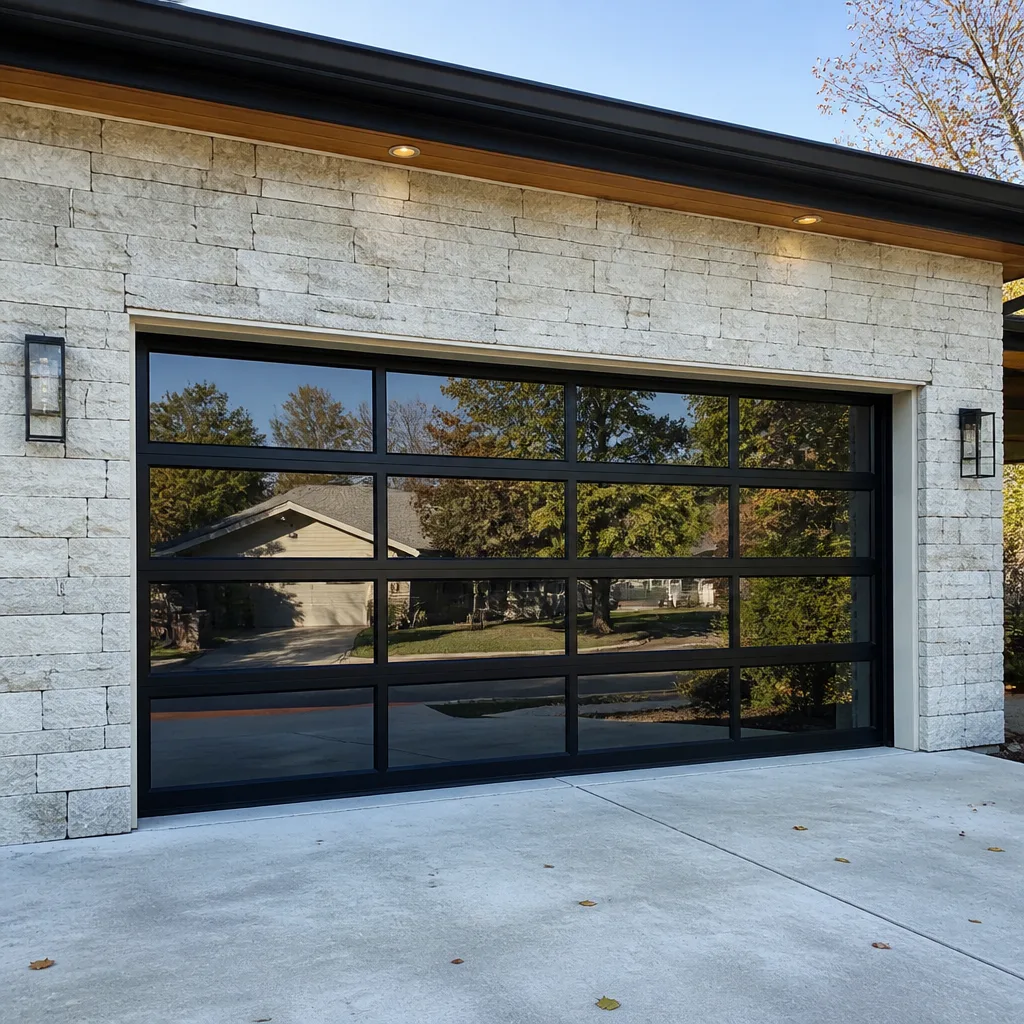 Full-view glass
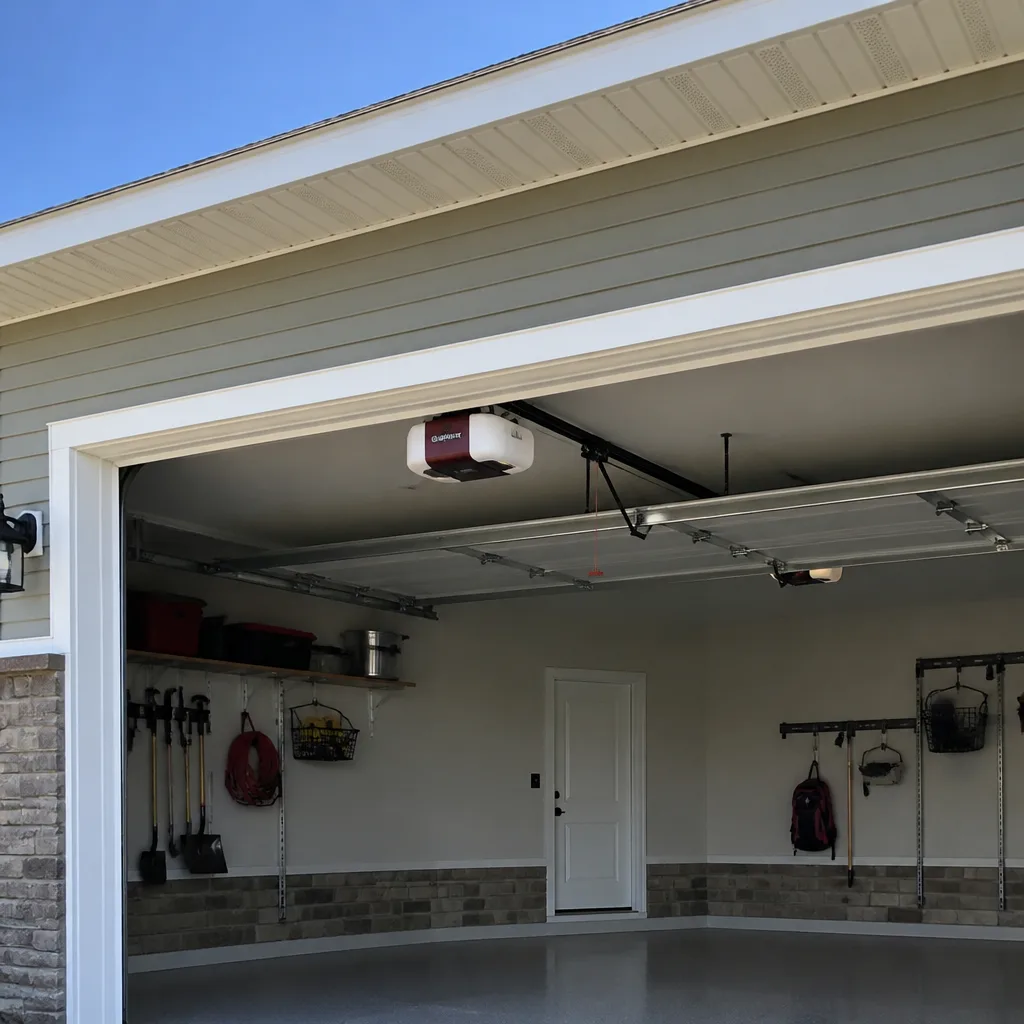 LiftMaster openers
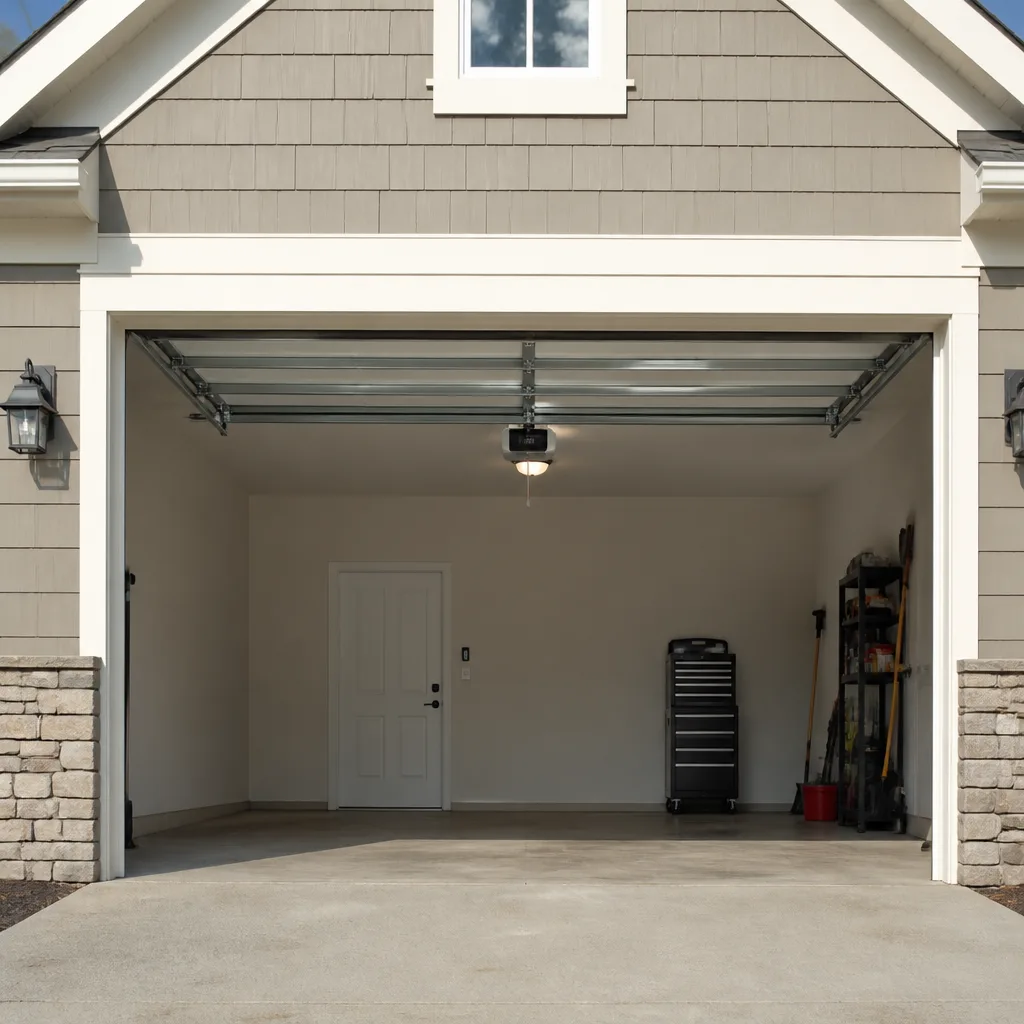 Chamberlain openers
Full 25-point door and opener safety check with every visit - springs, cables, rollers, tracks, and your LiftMaster or Chamberlain opener included
You get a price before we start. It does not change when the pro arrives.
Get your free estimateHow to Hire a Garage Door Contractor in Energy Corridor: A Step-by-Step Guide
Most homeowners hire a garage door contractor the same way they hire a locksmith: something breaks, they search, they call the first name that answers. That’s exactly the opening storm-season operators count on. After Hurricane Beryl moved through the Houston area, plenty of crews worked Energy Corridor neighborhoods, collected cash deposits, and were gone before the first callback. The good news is that a short screening process eliminates almost all of that risk. In this guide we’ll walk through the questions that separate a real multi-brand specialist from a single-brand salesperson, how to read a quote line by line, and what credentials actually matter in Texas, where garage door work carries no specialty license requirement.
Quick Answer
To hire a garage door contractor in Energy Corridor, verify three things before you book: a real local address and business identity, current liability insurance, and demonstrated experience on your specific brand and system. Ask for a written, itemized quote covering parts and labor before any work begins, and be wary of anyone who pushes a full replacement before diagnosing the actual failure. Texas doesn’t require a specialty garage door license, so those checks replace the license lookup you’d do in other states.
Styles & brands we work with
- Raised-panel steel
- Carriage house
- Modern flush
- Full-view glass
- LiftMaster openers
- Chamberlain openers
Table of Contents
- Why Texas Has No Garage Door License (and What to Check Instead)
- The Three Questions That Screen Out Most Bad Contractors
- The Single-Brand Dealer Trap
- Storm-Season Red Flags Specific to Energy Corridor
- How to Read a Garage Door Quote Line by Line
- Questions That Reveal Real Diagnostic Skill
- What Energy Corridor’s Heat and Humidity Do to Garage Doors
- Why Parts Availability Changes Your Timeline
Why Texas Has No Garage Door License (and What to Check Instead)
Texas does not issue a specialty license for garage door installation or repair. That surprises homeowners who are used to checking a state database for electricians or plumbers. It also means anyone with a truck and a ladder can advertise garage door work in Energy Corridor, and there’s no state record to check them against.
So what does carry weight? Here’s what to verify instead:
- Business identity. A real company name, a physical address you can look up, and a business phone that isn’t a disposable number. Ask for the legal business name and confirm it matches the quote.
- Liability insurance. Ask for a certificate of insurance and confirm it’s current. If a technician damages your door, opener, or the frame around it, insurance is what stands between you and the repair bill. A contractor who hesitates on this question is telling you something.
- Manufacturer or industry certification. The International Door Association (IDEA) offers industry-recognized training and certification for garage door technicians. Certification isn’t a legal requirement, but it signals that someone actually studied the trade rather than learning it on the fly.
- General contractor backing. Some garage door companies operate under a general contractor’s umbrella. That’s a reasonable signal of accountability, though it isn’t mandatory for garage door work specifically.
The practical translation: in a state with no specialty license, credentials are something a contractor volunteers, not something the government enforces. The companies worth hiring are the ones who answer credential questions without flinching. When you call us at (855) 337-1190, we’ll tell you exactly what we can document and what we can’t. Our technicians have up to 8 years of experience, and we work on the brand you already own rather than steering you toward one we prefer to sell.
The Three Questions That Screen Out Most Bad Contractors
If you only ask three things before booking, ask these. Each one is hard to fake and easy to answer honestly for a legitimate operation.
- “What’s your business address, and can you put it on the quote?” Storm-chasing crews that sweep through Energy Corridor after a hurricane typically can’t or won’t. A local company will.
- “Can you send me a written, itemized quote before any work starts?” Itemized means parts and labor are broken out separately. Anyone who quotes a single lump sum over the phone without seeing the door is guessing, and anyone who refuses a written quote is a risk.
- “What brands do you service, and do you work on mine?” A specialist who services Amarr, Wayne Dalton, Craftsman, Raynor and the other major lines can diagnose your actual system. A single-brand dealer will often find a reason your existing hardware needs replacing with their line.
In our experience, the deposit question matters just as much. A legitimate garage door company typically doesn’t demand a large cash deposit before arriving. If someone wants cash up front for a repair, with no written scope of work, that’s your exit signal. The same goes for anyone who can’t tell you what the service call covers before they show up.
One more screen that costs nothing: ask what happens if the diagnosis changes once they’re on-site. A trained technician will explain the failure mode before touching anything. If the answer is vague, move on. You can read more about how a proper diagnostic visit works on our garage door repair page.
The Single-Brand Dealer Trap
A single-brand dealer sells one manufacturer’s doors and openers. That’s not inherently dishonest, but it creates a structural bias: when your only product is one brand, every problem starts to look like a reason to buy that brand. Your LiftMaster opener develops a logic board fault, and suddenly the recommendation is a full new opener system. Your Clopay door has a bent section, and the answer is a whole new door.
A multi-brand specialist has no such incentive. We service eight major brands, which means the recommendation follows your existing system rather than a product line. That matters in Energy Corridor, where homes are a mix of builder-grade original equipment and older systems that have been partially updated over the years. A door installed by the builder in a 1990s subdivision and a newer Amarr or Wayne Dalton setup fail in different ways, and the fix for one isn’t the fix for the other.
What to ask to spot the difference:
- “Do you sell only one brand of opener?” If yes, expect recommendations to drift toward replacement.
- “Can you repair the opener I have, or is replacement my only option?” A specialist will tell you which components are serviceable.
- “Do you stock parts, or do you order them?” This one matters more than most homeowners realize, and we’ll come back to it below.
The flip side of multi-brand expertise is honest advice. Sometimes replacement genuinely is the right call, particularly when a door’s panels are structurally compromised or a spring system’s anchor points have pulled loose. The difference is that a specialist explains why, in terms you can check, rather than simply declaring it.
Storm-Season Red Flags Specific to Energy Corridor
Hurricane season runs June through November on the Gulf Coast, and the Energy Corridor sits squarely in the path of the kind of wind events that send garage doors out of alignment and knock openers offline. After a major storm, out-of-town crews arrive fast, work the neighborhoods, and leave. The pattern repeats every season.
Here are the specific red flags to watch for when you’re booking garage door work after a storm:
- No local address. Ask for a physical business address. P.O. boxes and “we’re mobile” answers don’t count. A company accountable to the Energy Corridor market has a location you can verify.
- Cash-only deposits up front. A deposit isn’t automatically wrong for a custom door order, but a cash deposit for a repair, with no written scope, is a classic storm-season pattern.
- No written labor warranty. Ask what happens if the repair fails in a month. Legitimate contractors put their labor terms in writing. If they won’t, don’t book.
- Pressure to decide immediately. A real specialist can schedule you without a same-hour ultimatum. Urgency is a sales tactic, not a service.
- No parts source. A crew that has to order every component through a distributor can’t finish the job quickly, and after a storm, the supply chain is already strained.
The screening questions from the previous section catch most of this. Add one more: ask whether they can give you the name of the person who’ll actually do the work, and whether that person has done spring or opener work on your brand before. Vague answers are your answer.
How to Read a Garage Door Quote Line by Line
Garage door quotes vary wildly because the industry doesn’t standardize line items. Two contractors can quote the same spring replacement and produce invoices that look like they’re describing different jobs. Here’s how to decode the common ones so you can tell a fair price from an upsell.
- Service call fee. This is the charge for the visit and diagnostic, separate from the repair itself. It should be disclosed when you book, not added at the end. Some companies waive it when you proceed with the work; ask before you schedule.
- Spring replacement. Springs are quoted individually, so a matched pair usually costs roughly twice a single spring. If a quote shows one spring price for a two-spring system, ask which spring it covers. Springs are the single most dangerous component on a garage door, and the price should reflect trained labor and the right tools, not a shortcut.
- Cable and drum work. These often get bundled into a spring job. Ask whether it’s included or additional.
- Opener repair vs. replacement. A logic board, gear, or safety sensor repair should be quoted separately from a full opener replacement. If your quote jumps straight to a new opener, ask what failed.
- “Realignment” or “adjustment” fees. Minor track adjustment after a door gets knocked off its line is a normal line item. So is a service call fee. What you want to avoid is a vague “adjustment” charge with no description of what was adjusted.
- Parts markup. A markup on parts is normal. What matters is that the part is identified by name and brand, not a generic “spring assembly” line.
The single most important rule: the written quote is the price. Not an estimate you’ll be surprised to beat, not a range that expands once the technician is in your garage. If a quote changes when the technician sees the job, you should get a revised written quote approved by you before work continues. Ask directly what happens if the job turns out to be bigger than the original quote. A straight answer is a good sign.
One pricing detail worth knowing: a matched spring pair is usually replaced together because springs wear at the same rate. If you replace one and leave the other, you’ll likely be back sooner than you’d like. We quote springs individually and show you the pair price, so there’s no ambiguity.
Questions That Reveal Real Diagnostic Skill
Anyone can watch a video and repeat terminology. A trained technician can explain what’s wrong with your specific door, in your specific garage, without poking around for twenty minutes first. These questions sort one from the other quickly.
- “My door won’t close all the way. What are the likely causes?” A competent answer covers the safety sensors, track alignment, and the opener’s travel limits, and explains which one to check first and why. A weak answer is “sounds like the opener.”
- “My door is loud and jerky. Is that a spring, a roller, or a track problem?” A good technician asks follow-up questions (when does it happen, is it worse at certain points in travel) rather than guessing.
- “How would you know whether my opener needs a new logic board or just a sensor?” This one tests whether they actually diagnose electronics or just replace assemblies.
- “What’s the difference between a torsion and an extension spring system, and which does my door have?” If they can’t explain the difference, they don’t work on springs often enough.
- “Can you tell me what brand opener I have just from the symptoms?” A multi-brand specialist who works on LiftMaster, Chamberlain, Genie, and Craftsman regularly will know the common failure patterns for each.
You don’t need to know the answers yourself. You’re listening for whether the person on the phone can answer without hesitation. A technician with up to 8 years of experience has seen enough failure modes that these questions are easy. Someone who learned the trade from a video last month will stall.
When you’re ready to talk through a specific problem, our garage door opener repair page covers the common opener failures we see, and you can always call us at (855) 337-1190 for a free estimate.
What Energy Corridor’s Heat and Humidity Do to Garage Doors
Energy Corridor garages sit in a climate that’s hard on mechanical systems: long, humid summers and mild winters with little cold to worry about. That has a few practical consequences for what fails and what you should watch for.
Heat matters most. A garage that faces west takes direct afternoon sun, and interior temperatures can climb well above the outdoor air temperature. Metal door panels expand and contract with that heat, which puts stress on hinges, rollers, and the track. Springs, which are under constant tension, get cycled through thousands of open-and-close movements, and the heat degrades lubrication faster than you’d expect in a cooler climate. Doors that get no lubrication tend to get loud and jerky long before they fail outright.
Humidity is the second factor. It affects the door’s finish and the hardware more than the springs. Hinges, rollers, and track bolts are where corrosion starts, and a garage that never gets airflow stays damp. The practical habit: lubricate hinges, rollers, and springs with a proper garage door lubricant a couple of times a year, and look at the rollers for flat spots or visible wear.
Mild winters remove one risk and change another. You don’t get the freeze-thaw heaving that damages door seals in colder parts of the country, so the bottom seal and threshold last longer here. But that also means homeowners sometimes skip annual checks entirely, and small issues (a loose track bolt, a worn roller) go unnoticed until something fails at an inconvenient moment.
The local housing mix matters too. Energy Corridor includes older subdivisions with original builder-grade doors alongside newer construction. A door from the 1990s may be on its second or third set of springs by now, and the opener may be original equipment that’s reached the end of its service life. Knowing whether you’re dealing with a mid-life system or a new one changes the recommendation.
Why Parts Availability Changes Your Timeline
One of the most underrated differences between garage door contractors is whether they stock parts or order them. It’s not a glamorous detail, but it’s often the reason a repair takes a week instead of a visit.
A company that orders every component through a distributor is at the mercy of that distributor’s inventory and shipping. During storm season, when demand spikes across the Houston area, that can mean days of waiting for a spring, a roller set, or an opener component. A company that stocks common parts can often complete the job without the wait.
We stock and sell garage door parts directly, which means we’re not dependent on a third-party supply chain for common components. That’s part of why we can move from diagnosis to repair without a delay. It’s also a service in its own right: if you’re a homeowner who wants to handle a minor replacement yourself, you can buy the part from us.
What to ask when you’re comparing contractors:
- “Do you stock common parts, or order them?”
- “If you need a part you don’t have, how long does it typically take to get it?”
- “Can you tell me the brand and model of the part you’d be installing?”
If you’re planning a full replacement rather than a repair, the timeline question changes. Installation means measuring, ordering, and scheduling, which is a different process from a repair. Our garage door installation page walks through what that looks like.
Common Mistakes to Avoid
- Calling the first name that answers. The first listing isn’t the best one, and in a market with no specialty license, it’s often the loudest advertiser. Take ten minutes to check the business address and insurance before you book.
- Accepting a phone quote as the final price. A price given before anyone sees the door is a guess. A written, itemized quote after a diagnostic is the only number that means anything.
- Letting a single-brand dealer diagnose your existing system. Expect a replacement pitch if the only product they sell is their own line. A multi-brand specialist can recommend a repair if one is warranted.
- Paying a large cash deposit for a repair. Deposits for custom door orders are normal. Cash deposits for routine repairs, with no written scope, are a storm-season pattern worth refusing.
- Skipping the labor warranty question. Ask what happens if the repair fails in 30 days. Get the answer in writing before work starts.
- Ignoring lubrication. Energy Corridor’s heat and humidity make hinge and roller lubrication a real maintenance item. A few minutes twice a year prevents a lot of noise and wear.
- Handling spring work yourself. Garage door springs are under extreme tension, and the tools and knowledge required to release them safely aren’t things you can pick up from a video. This is the one job on the door that should always go to a trained technician.
See the difference
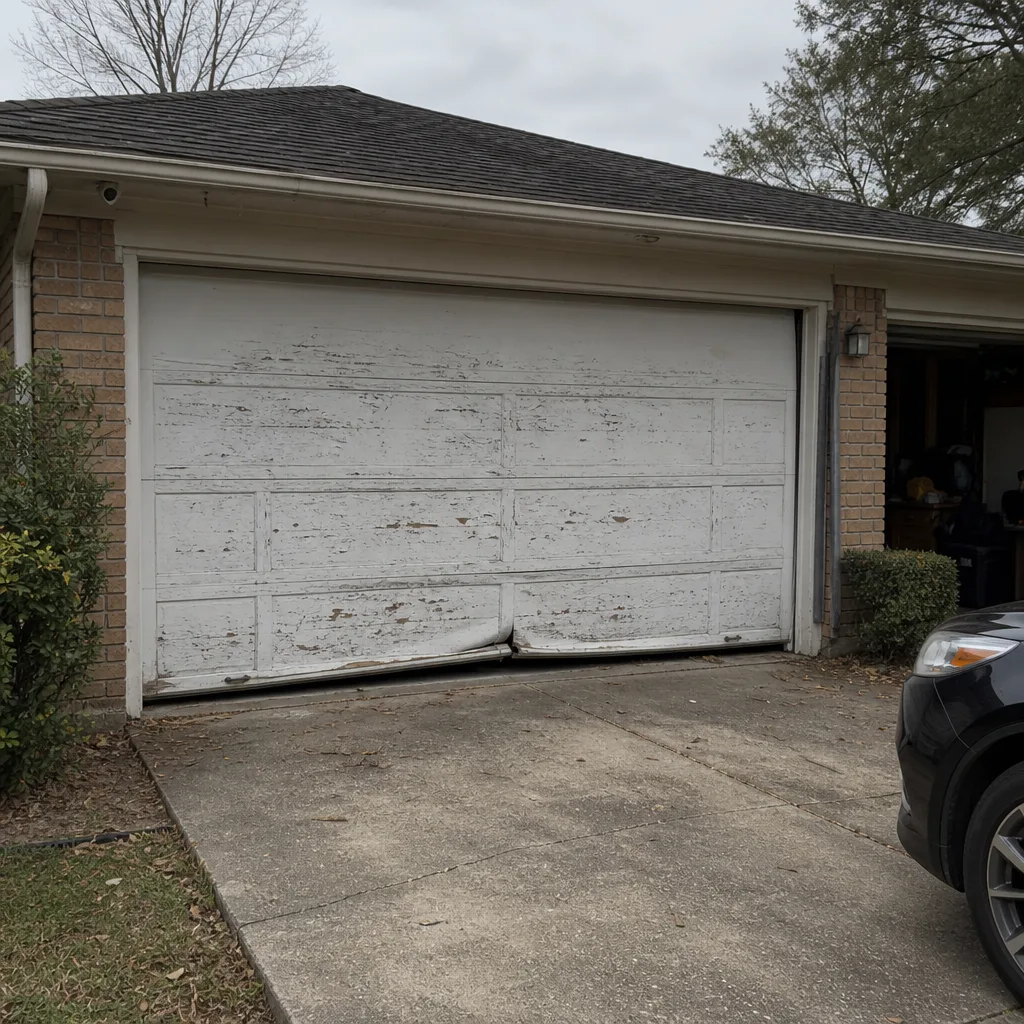 Before
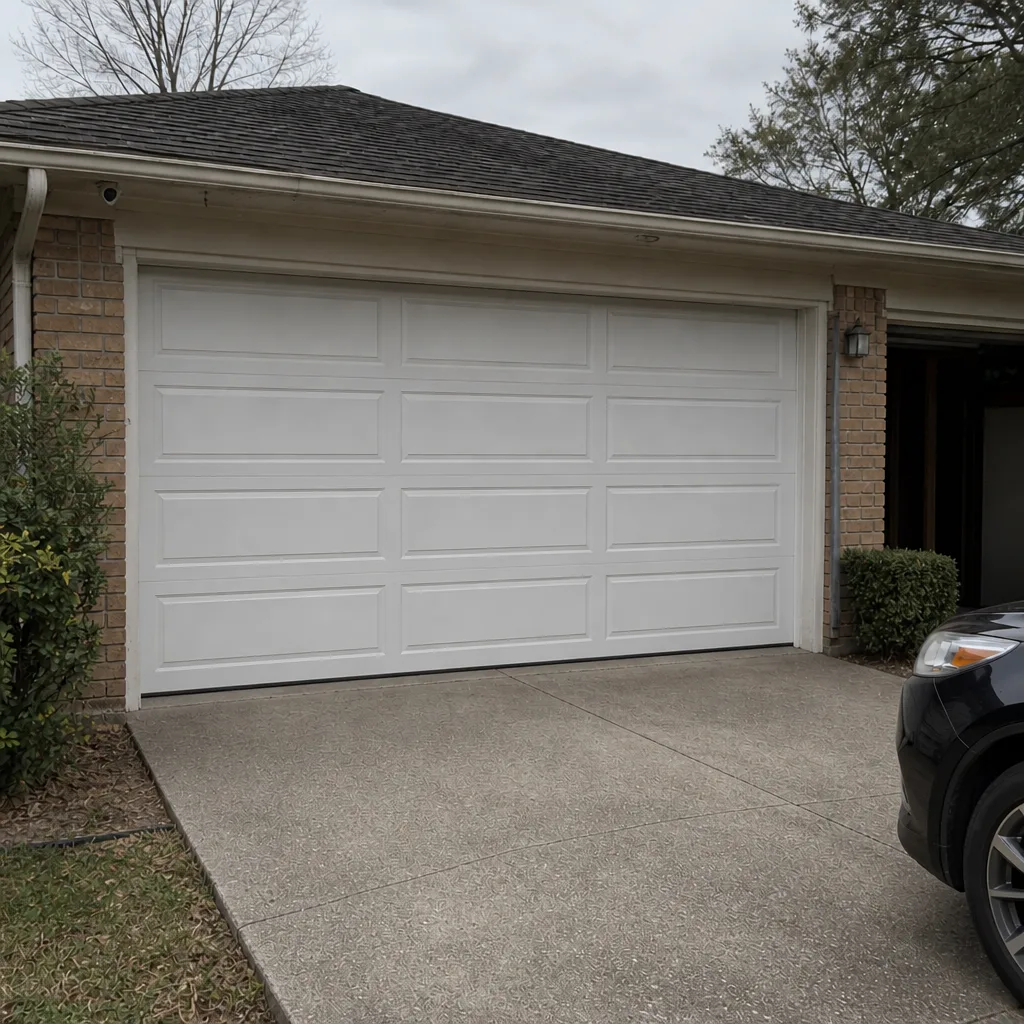 After
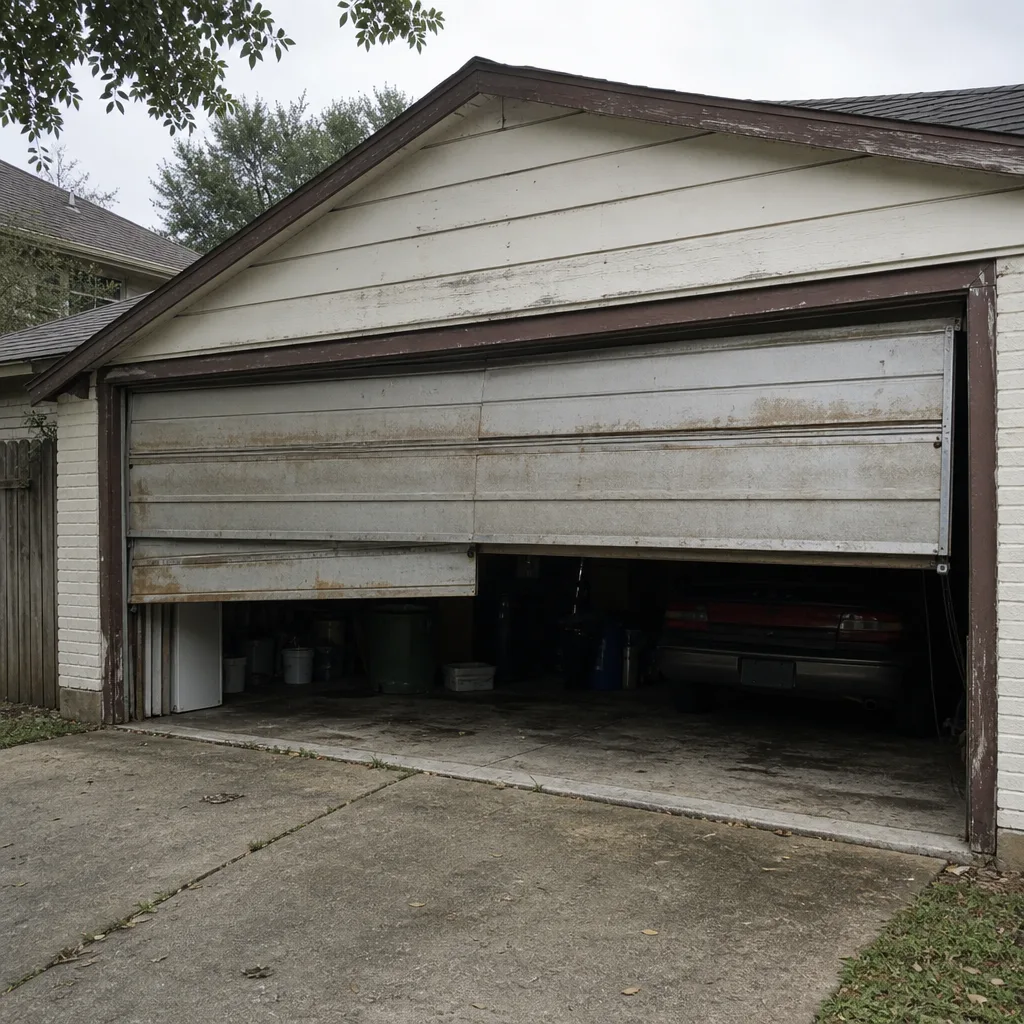 Before
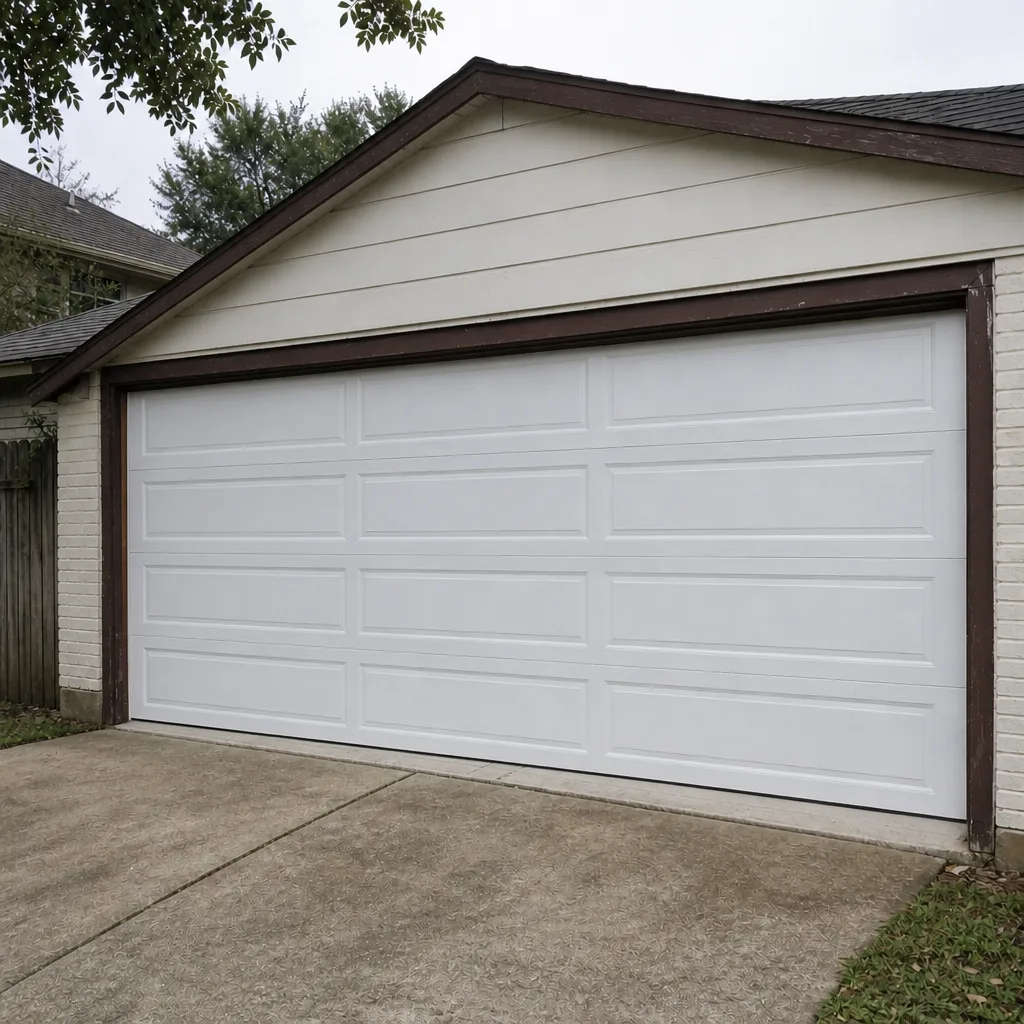 After
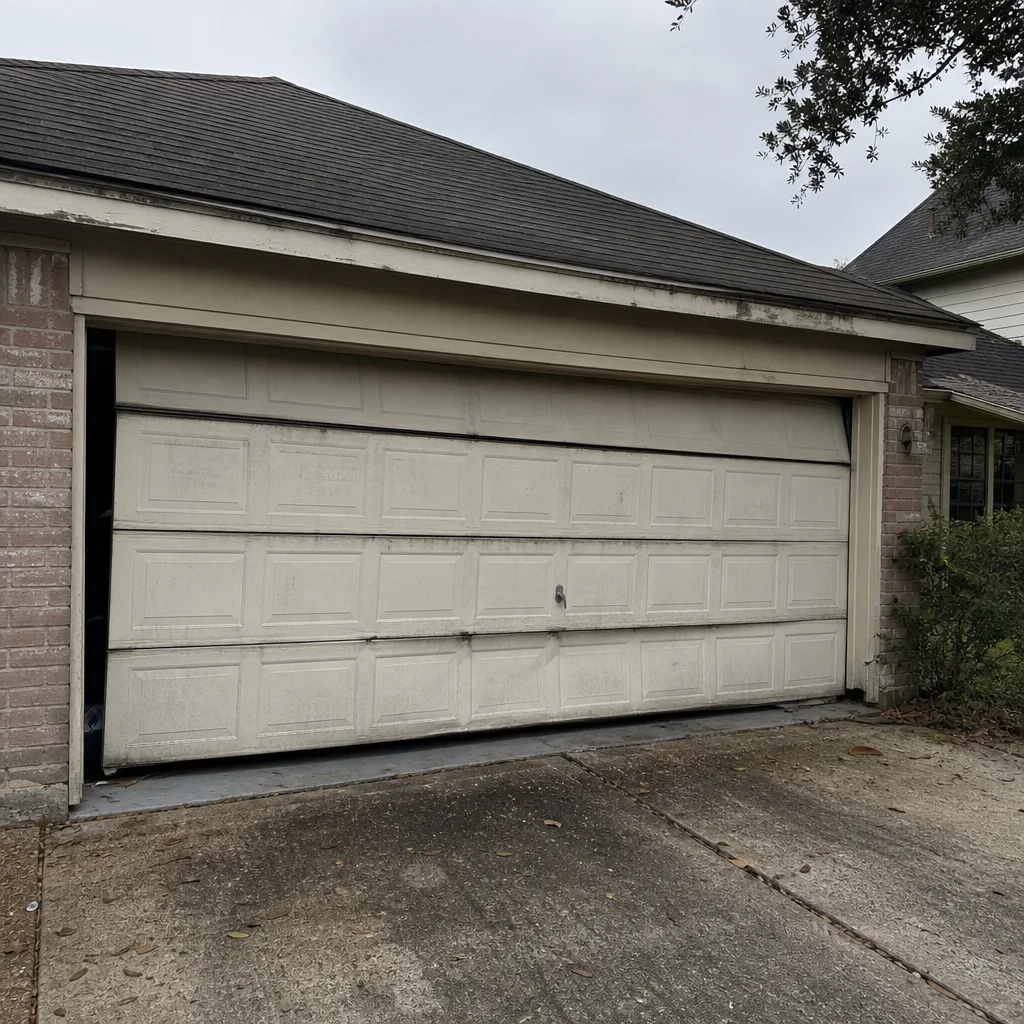 Before
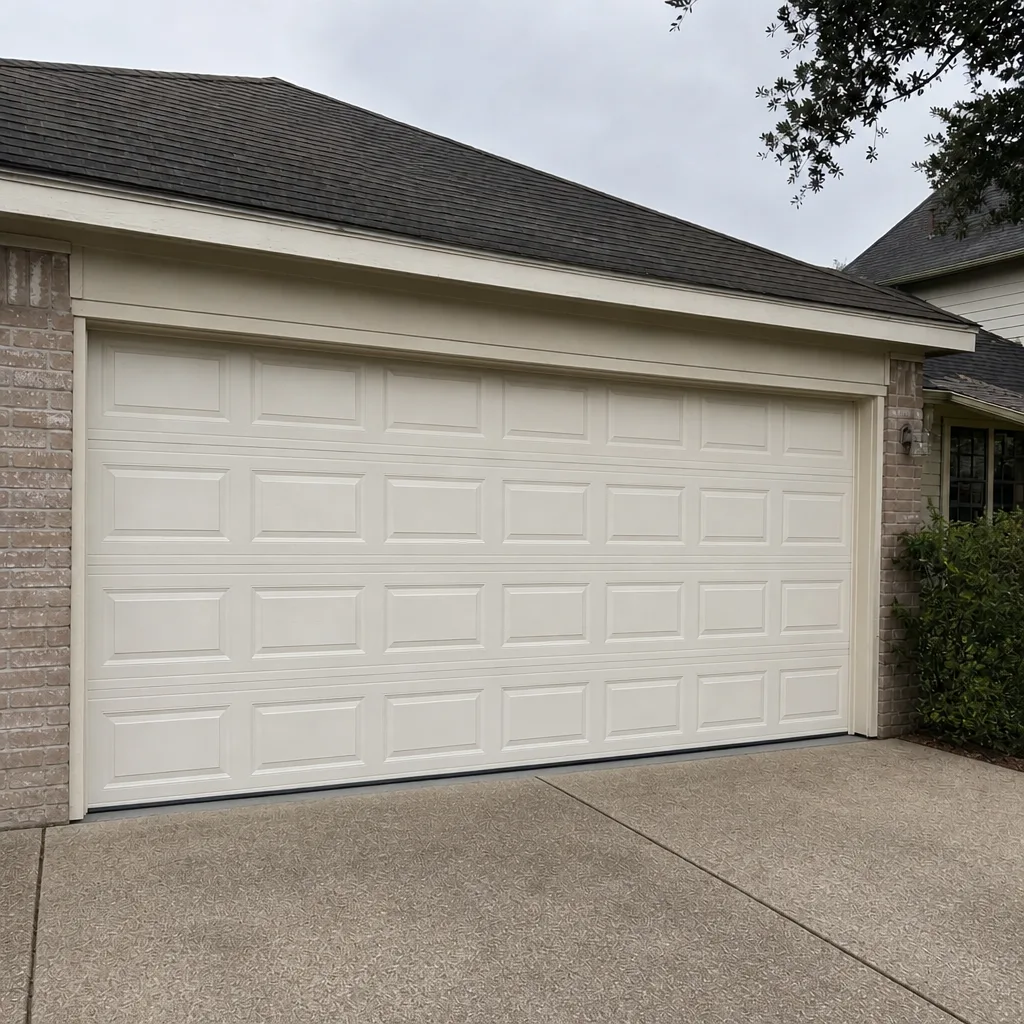 After
When to Call a Professional
Some garage door issues are genuinely DIY-able: a photo-eye sensor knocked out of alignment, a remote that needs reprogramming, a squeaky hinge that needs a dab of lubricant. Others need a trained technician, and springs top the list. Garage door springs, cables, and the brackets that hold them are under extreme tension, and a spring that lets go during a DIY attempt can cause serious injury. Never attempt to release or adjust a torsion spring yourself. The same goes for anything involving the opener’s internal wiring or a door that’s come off its track and is hanging under tension.
Call a professional when a door won’t open or close at all, when you hear a loud snap from the spring area, when the door is visibly off its track, when the opener runs but the door doesn’t move, or when the door reverses unexpectedly. Those all point to a failure mode that needs diagnosis. Garage Door Repair Energy Corridor offers free estimates in Energy Corridor, and our technicians have up to 8 years of experience across LiftMaster, Chamberlain, Genie, Clopay, Amarr, Wayne Dalton, Craftsman, and Raynor systems. Call (855) 337-1190 to book.
Frequently Asked Questions
Spring repair pricing depends on whether it’s a single spring or a matched pair, which is usually replaced together. Springs are always quoted individually, and a pair typically costs about twice a single spring. The written quote you get after a diagnostic is the price you pay, and no work starts before you approve it. Call (855) 337-1190 for an exact quote; estimates are free.
No, Texas doesn’t issue a specialty license for garage door repair or installation, so there’s no state license to look up. What you can verify instead is a real business address, current liability insurance, and industry certification such as IDEA training. Ask for those and see how the contractor responds.
It can be, but expect a bias toward that brand’s products. If your existing system is a different brand, a single-brand dealer may recommend a full replacement where a repair would have worked. A multi-brand specialist can work on your system regardless of manufacturer.
Look for no verifiable local address, a demand for a large cash deposit before any work, no written labor warranty, and high-pressure scheduling. Those patterns show up after hurricanes and major wind events. Ask for a physical business address and a written quote before you book, and walk away if either is refused.
It shouldn’t change without your approval. A proper process starts with a written, itemized quote. If the technician finds the job is bigger once on-site, you get a revised written quote and approve it before work continues. You should never be surprised by the invoice.
Garage door work in Texas isn’t licensed at the state level, so the relevant question is whether the local pro carries liability insurance as their state requires and works to a written scope. Ask to see proof of insurance and a written quote. Our technicians have up to 8 years of experience on all eight major brands we service.
The Bottom Line
Hiring a garage door contractor in Energy Corridor comes down to a short screening list: verify a local business address, confirm liability insurance, and test for real brand-agnostic diagnostic skill before you book. Watch for the single-brand dealer who always finds a reason to replace and the storm-season crew with no accountability. Get every quote in writing and itemized, understand how spring pricing works, and never let anyone touch a spring without proven experience. Do those things, and you eliminate most of the risk in a market with no state license requirement. We’re happy to be one of the companies you call while you decide. Reach us at (855) 337-1190 for a free estimate.
Written by the team at Garage Door Repair Energy Corridor.