Last updated November 20, 2026
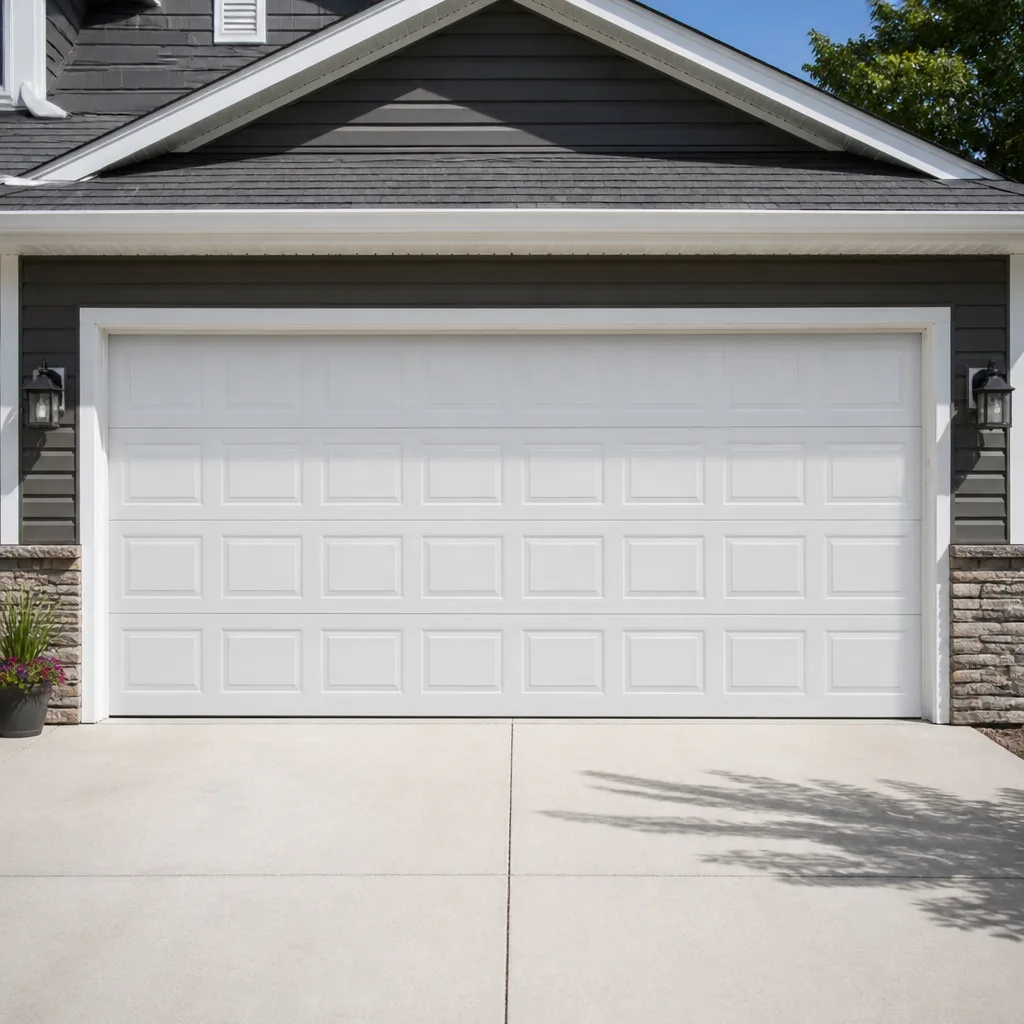 Raised-panel steel
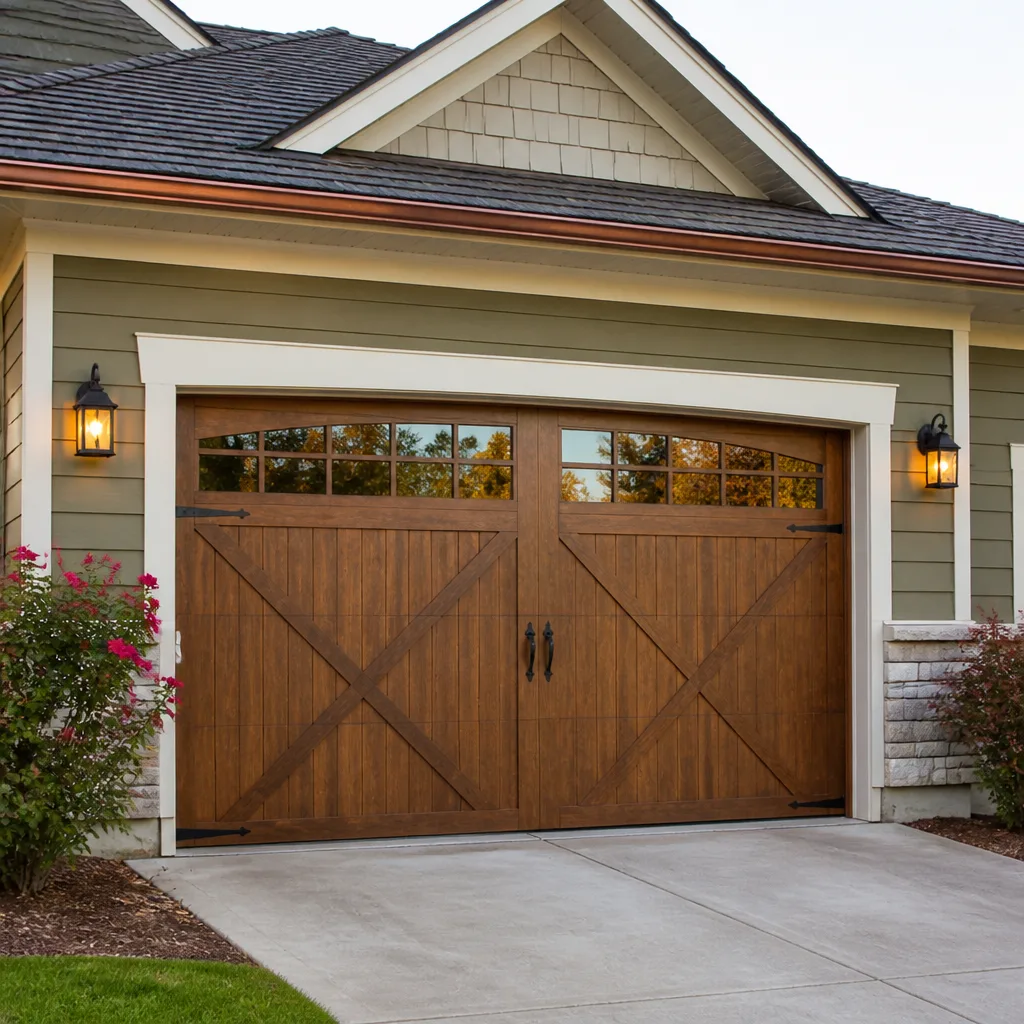 Carriage house
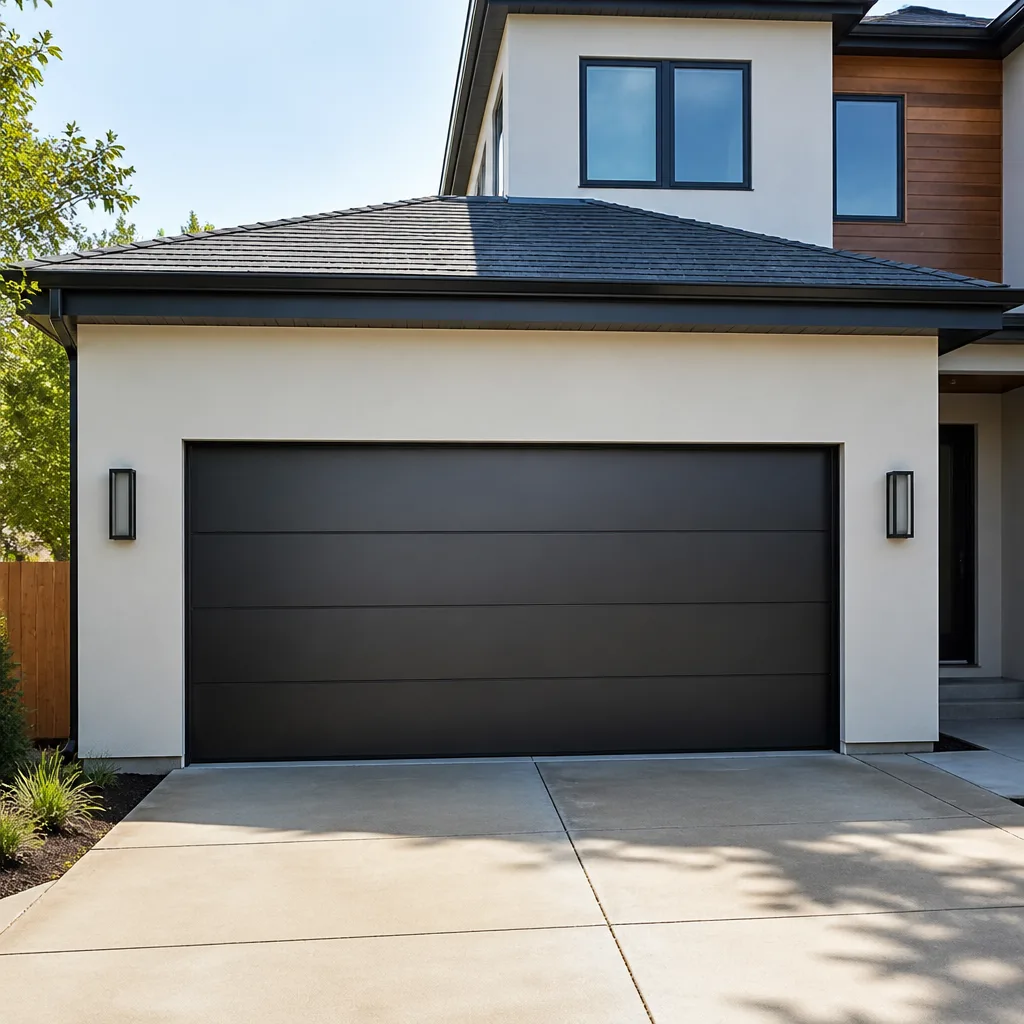 Modern flush
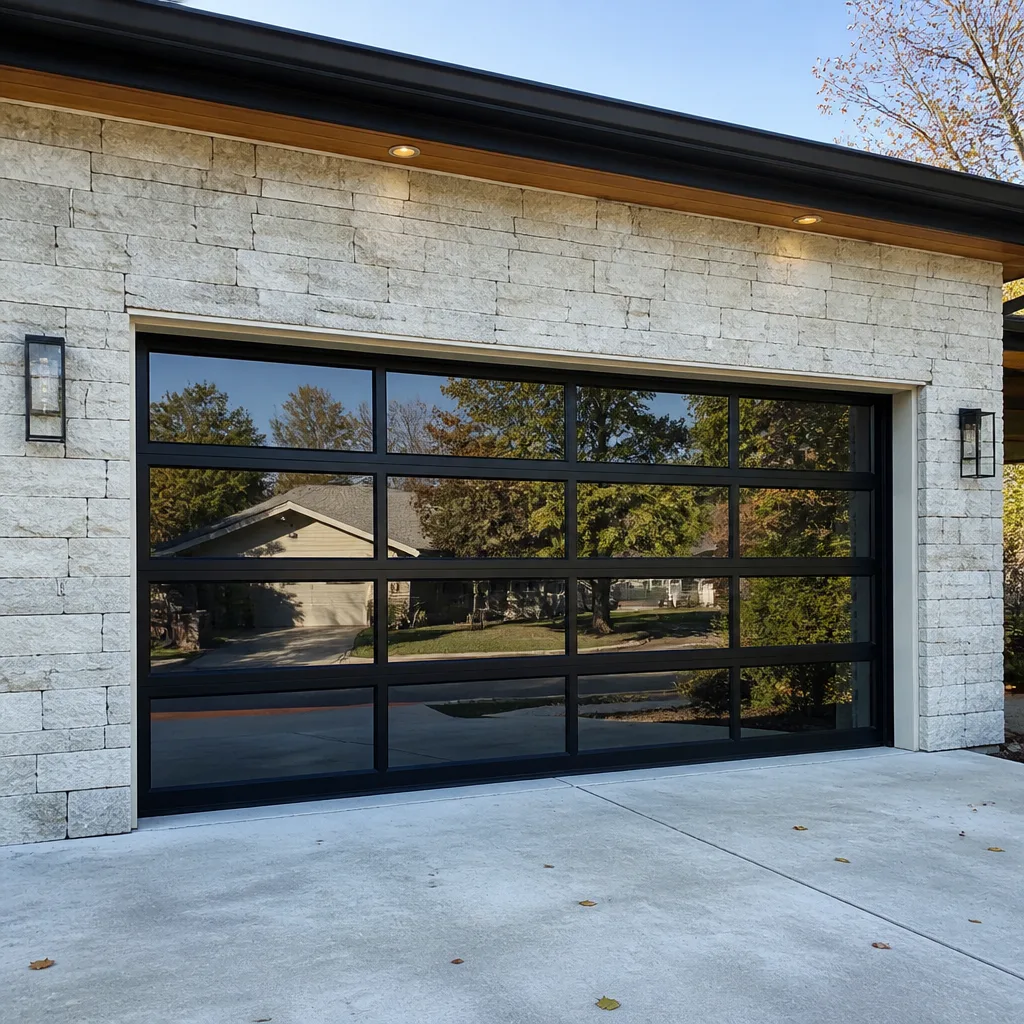 Full-view glass
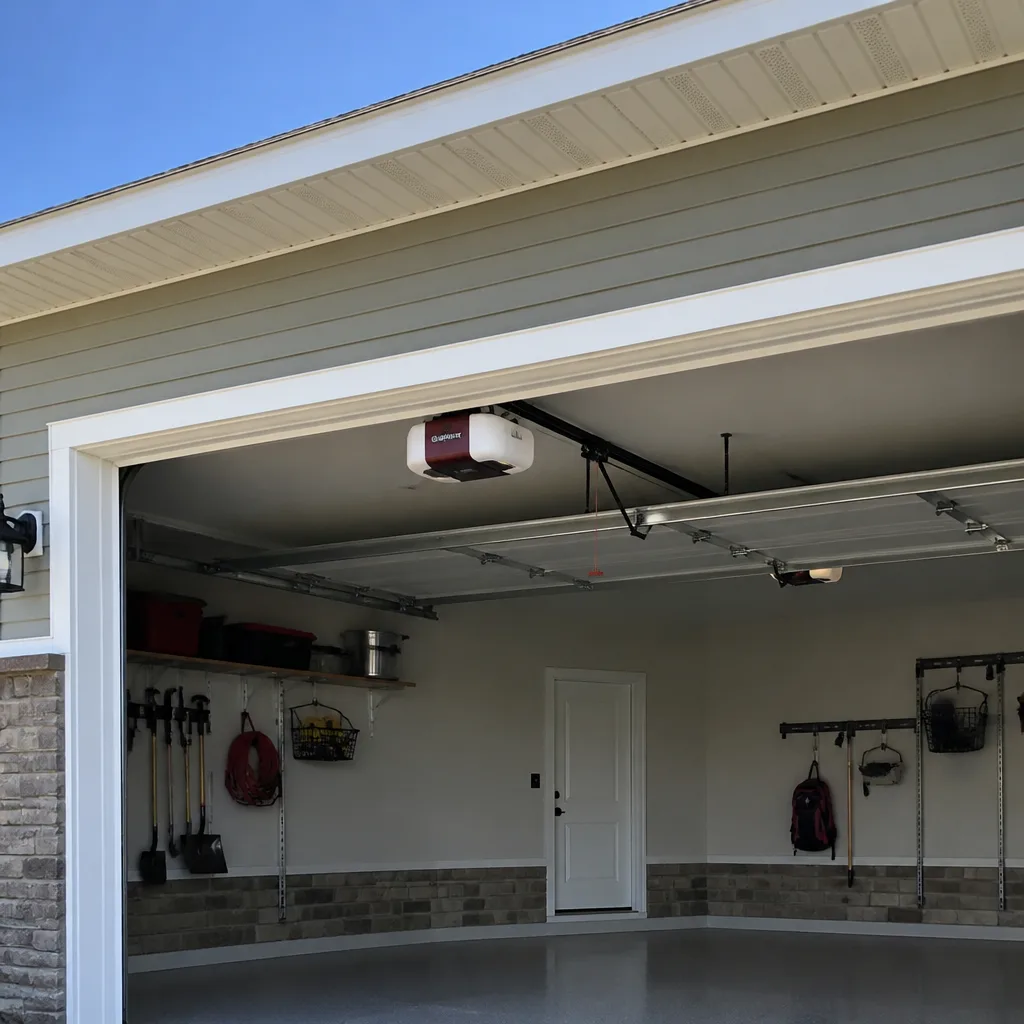 LiftMaster openers
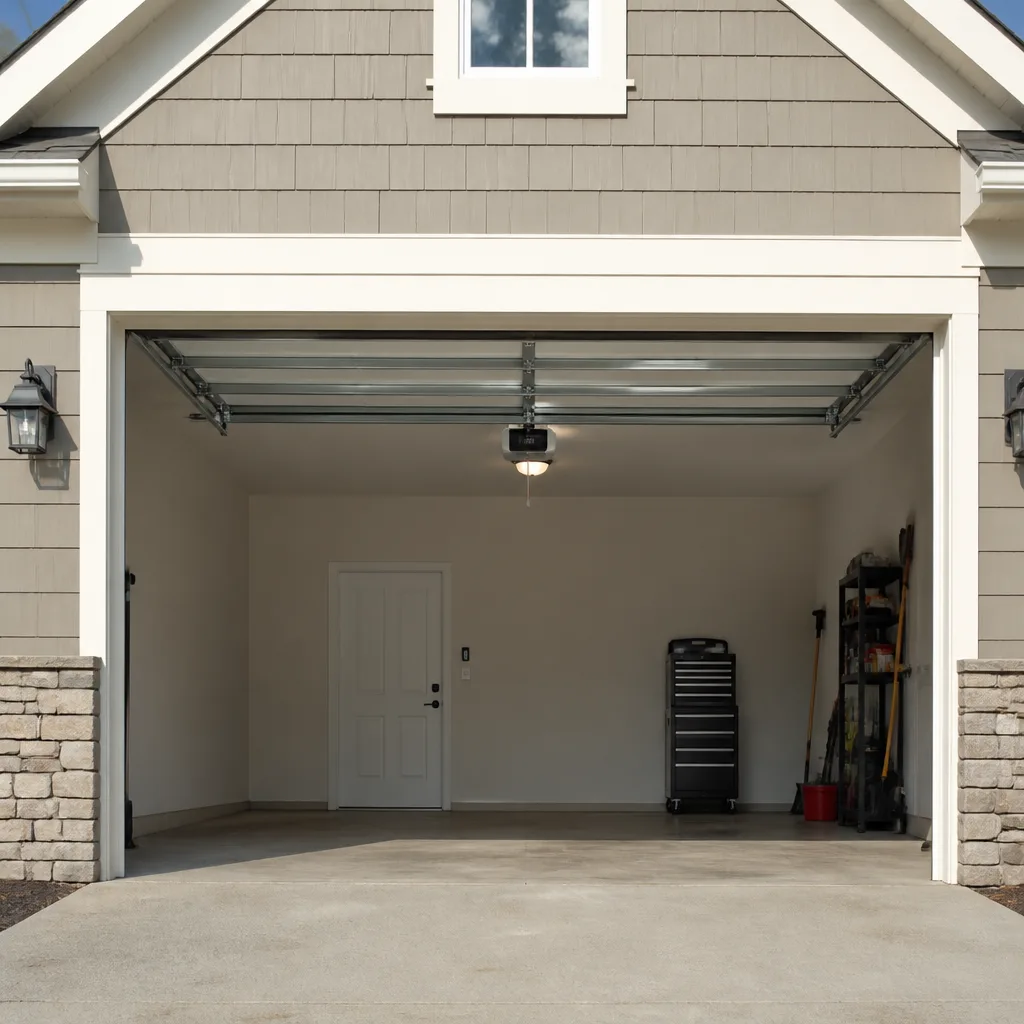 Chamberlain openers
Full 25-point door and opener safety check with every visit - springs, cables, rollers, tracks, and your LiftMaster or Chamberlain opener included
You get a price before we start. It does not change when the pro arrives.
Get your free estimateThe Complete Guide to Garage Doors in Energy Corridor
Most garage door guides are written for Phoenix or the Midwest, where dry air and hard freezes set the rules. Energy Corridor doesn’t play by those rules. The air here hangs heavy with humidity pulled off Buffalo Bayou, and that moisture does quiet, relentless work on steel hardware, springs, and cables. Buy the wrong grade of door or the wrong finish on your tracks and you’ll be dealing with corrosion long before you’d expect it in a drier climate. Add the oversized garages common in the executive homes along Eldridge and Memorial, plus HOA rules that dictate panel styles and colors, and you’ve got a set of decisions generic advice never covers. This guide maps every choice, from material to opener to spring type, to how things actually work in Energy Corridor.
Quick Answer
The right garage door for an Energy Corridor home is a galvanized or corrosion-resistant steel door with a high-cycle torsion spring system sized for your door’s weight, paired with a belt-drive opener and an insulation value chosen for cooling load rather than heating. Humidity, oversized door openings, and HOA appearance rules drive almost every decision here more than cold weather ever will. Get those three factors right and the door will outlast and outperform a generic replacement.
Styles & brands we work with
- Raised-panel steel
- Carriage house
- Modern flush
- Full-view glass
- LiftMaster openers
- Chamberlain openers
Table of Contents
- How Humidity Affects Garage Door Hardware in Energy Corridor
- HOA Rules and Aesthetic Requirements in Energy Corridor
- Why Oversized Doors Need Commercial-Grade Springs
- Insulation and R-Value: Cooling Load Comes First
- Choosing an Opener: Brands, Drive Types, and Pairing
- Multi-Brand Parts Compatibility Explained
- A Maintenance Routine for the Local Climate
How Humidity Affects Garage Door Hardware in Energy Corridor
Subtropical humidity is the single biggest factor in how long garage door hardware lasts in Energy Corridor. Steel components that would sit stable for years in a dry climate can start showing surface rust inside a couple of seasons here, and it’s the moving parts, not the door panel, that suffer first. Springs, cables, hinges, and rollers live in an environment that stays damp much of the year. The bayou proximity that makes this part of Houston green and pleasant also keeps a film of moisture on metal that never fully dries out.
What actually corrodes, and how to compensate:
- Torsion and extension springs. Bare or lightly coated springs pit and weaken faster in humid air. Oil-tempered springs with a proper coating hold up better, and a light annual wipe-down with a lubricant made for garage door hardware slows the decline.
- Cables. Galvanized cables resist moisture far better than uncoated steel. If you’re replacing cables, specify galvanized and check them for fraying at the drum and bottom bracket.
- Hinges and rollers. Nylon rollers won’t rust at all and run quieter than steel. Steel hinges benefit from a corrosion-resistant finish and periodic lubrication.
- Tracks and bottom brackets. These take the most moisture splash near the floor. Galvanized tracks and brackets last noticeably longer than painted steel in this climate.
Because we specialize in spring and hardware work rather than treating it as an afterthought, we can match the grade of replacement part to the conditions your door actually faces. That’s part of why garage door repair in this climate is as much about material selection as it is about fixing the immediate problem.
One thing worth understanding: the damage is gradual. A spring that’s lost strength from corrosion doesn’t announce itself. It just makes the door heavier to lift by hand and forces the opener to work harder, which shortens the opener’s life too. Catching corrosion early during a routine look-over saves you a cascade of failures.
HOA Rules and Aesthetic Requirements in Energy Corridor
Many Energy Corridor and Memorial Villages subdivisions enforce appearance rules on garage doors, and those rules shape what you can actually install. Common requirements cover panel style, color, window placement, and sometimes the finish. A door that looks great in a showroom photo can fail an HOA review if the panel profile doesn’t match the neighborhood standard or the color reads too far from the approved palette. Before you order anything, get the specifics in writing from your association.
What HOA rules typically govern:
- Panel style. Raised-panel, recessed-panel, carriage-house, and flush styles are often assigned per subdivision. A carriage-style door with decorative hardware may be required in some areas and prohibited in others.
- Color. Approved palettes usually align with the home’s trim and siding. Off-white, tan, and specific earth tones are common; bright or non-matching colors usually aren’t allowed.
- Windows. Window placement and the number of top-section windows are frequently regulated, both for consistency and because some associations require obscured or frosted glass.
- Visible hardware. Decorative hinges and handles are sometimes fine and sometimes restricted, depending on the look the association wants to preserve.
Here’s the practical step. When you’re ordering a replacement, ask your HOA for the approved style list before the measure. Brands like Clopay and Amarr offer panel and color options that map cleanly onto most Energy Corridor subdivision standards, and knowing the requirement up front means you order the right door once instead of paying to redo it. Installation of a new door is a scheduled, measured job, so there’s time to confirm compliance before anything is ordered. When you’re ready to move forward, garage door installation starts with a free measure and a written price, and we’ll work from your HOA’s requirements.
Why Oversized Doors Need Commercial-Grade Springs
Oversized three-car and RV-height doors are common in the executive homes around Energy Corridor, and they’re where residential default springs quietly fail. A standard single-car door weighs a fraction of a wide, tall, heavily insulated door, and the spring system has to carry that weight through every open and close. Put residential-grade springs on a door that’s too heavy for them and they’ll cycle out early, leaving you with a door the opener can barely move and a spring that gives out faster than it should.
Here’s how the sizing actually works, without the danger of doing it yourself:
- We weigh the door or calculate its weight from panel construction and insulation.
- We match the torsion spring wire gauge, inside diameter, and length to that weight and to the door height.
- We set the cycle rating to the door’s use, since a wide door on a busy household cycles more than a standard single.
- We balance the door so it holds position halfway open, which confirms the springs are carrying the load correctly.
Torsion springs, mounted on the shaft above the door, handle heavy doors far better than extension springs, and commercial-grade torsion systems are the right call for oversized openings. This is genuinely dangerous work. A wound torsion spring stores an enormous amount of energy, and the tools and technique to release and reset it safely aren’t things to improvise. Springs are dangerous, and this is a job for a trained technician with the right equipment, not a weekend project. We handle spring work in-house rather than sending it out, so a heavy door gets the system it needs the first time.
Insulation and R-Value: Cooling Load Comes First
In most of the country, garage door insulation is sold as a heating question. In Energy Corridor, it’s a cooling question. The garage here can turn into an oven on a summer afternoon, and an uninsulated door lets that heat radiate into the space and, if the garage shares a wall with the house, into the house itself. Insulation value still matters, but you’re choosing it to keep heat out, not to keep it in.
What the insulation decision actually involves:
- Where the door sits. An attached garage sharing a wall or ceiling with living space benefits most from an insulated door, since it reduces heat transfer into the home.
- How you use the garage. A workshop or a space you spend time in justifies more insulation than a garage that only stores cars.
- Door construction. Sandwich-style doors with polyurethane or polystyrene cores insulate far better than a single steel skin. Polyurethane generally insulates better per inch, while polystyrene costs less.
- The sun angle. A door facing west or southwest takes the hardest afternoon sun, which makes the insulation and the door’s finish more important on that side.
You don’t need the highest insulation value on the market to get a real benefit. The jump from an uninsulated door to a solidly insulated one is where most of the comfort gain lives. Pushing beyond that earns diminishing returns unless the garage is conditioned space. We’ll walk through the tradeoff based on your home and how the garage is used, rather than defaulting to the biggest number on the spec sheet.
Choosing an Opener: Brands, Drive Types, and Pairing
Your opener and your door don’t have to be the same brand, and understanding that frees up your choices. A homeowner with a Genie opener can run a Clopay door, and a LiftMaster opener pairs fine with a Wayne Dalton door. What matters is that the opener’s lifting capacity, drive type, and safety features match the door’s weight and the way the garage is used. When we handle garage door opener repair or a new opener, we start from the door and the household, not from a single brand we’re pushing.
How the main drive types compare here:
- Belt-drive. The quietest option, and the best fit for a garage under or beside a bedroom. Good for Energy Corridor homes where the garage sits close to living space.
- Chain-drive. Durable and usually less expensive, but louder. Fine for a detached or well-separated garage.
- Screw-drive. A middle ground on noise and price, with fewer moving parts than a chain.
- Jackshaft (side-mount). Mounts beside the torsion bar rather than on the ceiling, which frees overhead space and suits high-lift and oversized doors.
Whatever the drive, safety features aren’t optional. A working safety reversal and photoelectric sensors keep the door from closing on a person or pet, and any opener you install should have both. We service the major brands, including LiftMaster, Chamberlain, Genie, and Craftsman, so you’re not locked into whatever a single dealer carries. If you’re weighing a whole new system rather than a repair, the broader service picture lives on our Garage Door Repair Energy Corridor page.
Multi-Brand Parts Compatibility Explained
The biggest misconception we run into is that a garage door is a single branded system you have to replace as a unit. It isn’t. A door is a set of parts that happen to be assembled together: panels, springs, cables, rollers, hinges, tracks, and an opener. Those parts come from different makers and mix freely. That’s why a LiftMaster opener doesn’t require a LiftMaster door, and why you rarely need to replace a whole door because one component failed.
How compatibility usually shakes out:
- Openers and doors are independent. Any major opener brand will drive a door from any major door manufacturer as long as the opener is sized to the door’s weight.
- Springs are matched to the door, not the brand. A spring is chosen by wire gauge, inside diameter, length, and the door’s weight and height. The door’s brand name doesn’t change the spring math.
- Hardware is largely universal. Rollers, hinges, and bottom brackets follow common sizes, so a Wayne Dalton door can take standard replacement hardware.
- Panels and certain trim are brand-specific. If you’re matching a panel or a decorative section, staying with the original manufacturer, such as Amarr or Clopay, keeps the look consistent.
We stock and sell parts directly, so common components aren’t stuck behind a distributor’s lead time. That means when something fails, the fix is usually a part swap rather than a wait for an order to arrive. Keeping the whole system, mechanical and electronic, with one specialist means you’re never bounced between a door company and an opener company to finish a job.
A Maintenance Routine for the Local Climate
A little seasonal attention goes further in Energy Corridor than in drier places, because humidity is always working against the hardware. You don’t need to touch the springs or cables. Those are the dangerous parts and belong to a trained technician. What you can reasonably do is keep an eye on the parts that are safe to check and lubricate, and know the warning signs that mean it’s time to call.
A safe routine looks like this:
- Lubricate hinges, rollers, and the torsion shaft with a garage-door lubricant, not household oil.
- Wipe down and inspect springs and cables for rust or fraying, looking only, never adjusting.
- Test the safety reversal and photoelectric sensors by placing an object in the door’s path.
- Listen for new noises, grinding, or a door that hesitates, which often points to a failing spring or worn rollers.
- Check the weather seal along the bottom and replace it when it cracks, since a bad seal lets humid air and pests in.
- Watch for a door that no longer holds halfway open by hand, a sign the springs have lost tension.
Hardware that’s checked and kept lubricated resists the local moisture far better, and small issues get caught before they turn into an opener-straining, spring-snapping problem. Our technicians have up to 8 years of experience, and a routine inspection is a good moment to have someone confirm the springs and cables are still sound. If something looks off, a free estimate tells you what it takes to fix.
Common Mistakes to Avoid
- Buying a door with the wrong finish for a humid climate. Standard painted steel on hardware that stays damp invites corrosion, so specify galvanized or corrosion-resistant components and save yourself the early replacement.
- Ordering a replacement door before checking HOA rules. A door that doesn’t match your subdivision’s panel style or color palette can fail review, and in Energy Corridor and Memorial Villages that means redoing the order.
- Putting residential-grade springs on an oversized or RV-height door. The springs cycle out early and strain the opener, so the system needs to be sized to the door’s actual weight.
- Choosing insulation for winter. In this climate the garage door insulation is about keeping summer heat out, and undersizing it leaves the garage and adjacent rooms uncomfortably warm.
- Assuming you need a same-brand replacement. A failed opener or spring rarely means a new door, and a specialist can match parts across brands.
- Trying to adjust a torsion spring yourself. The stored energy in a wound spring can cause serious injury, so this stays with a trained technician.
- Waiting on a distributor for a common part. A door that’s been down for days usually just needed a component a parts specialist could supply directly.
See the difference
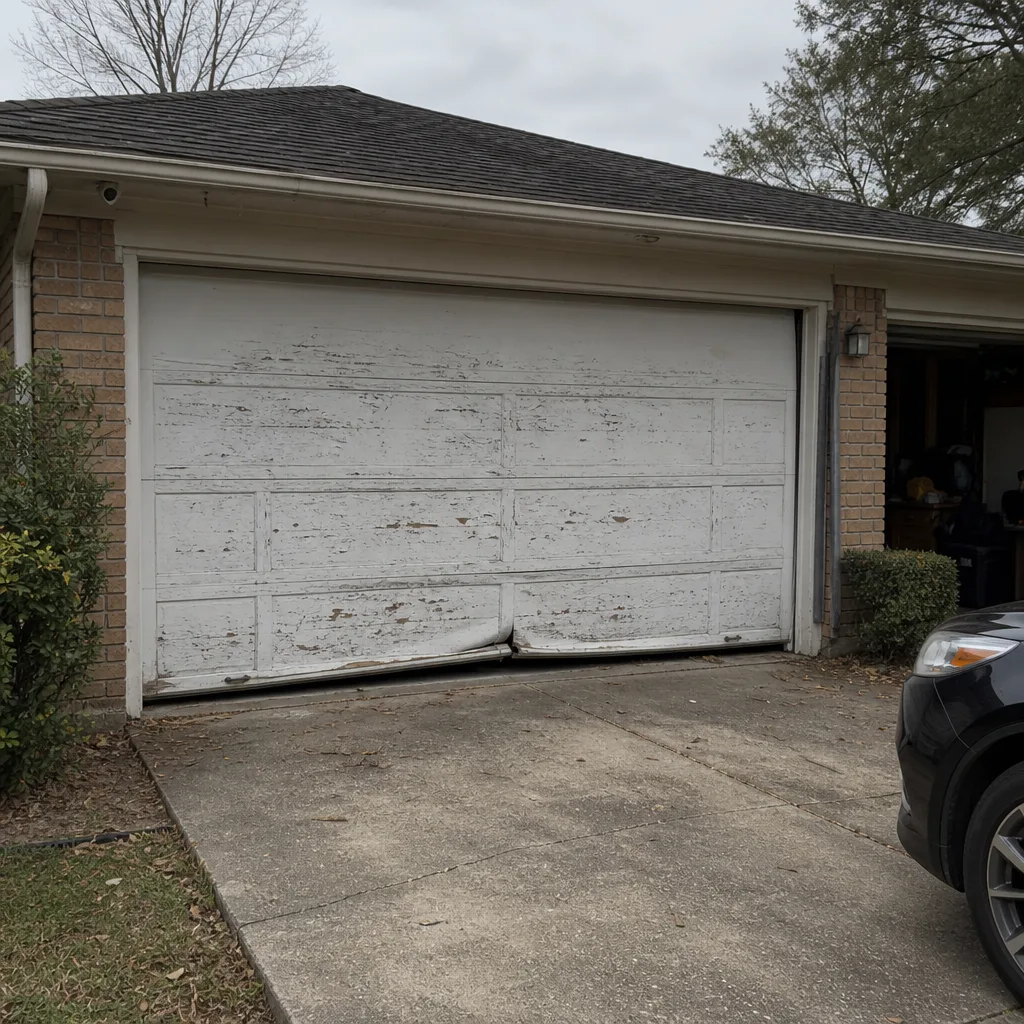 Before
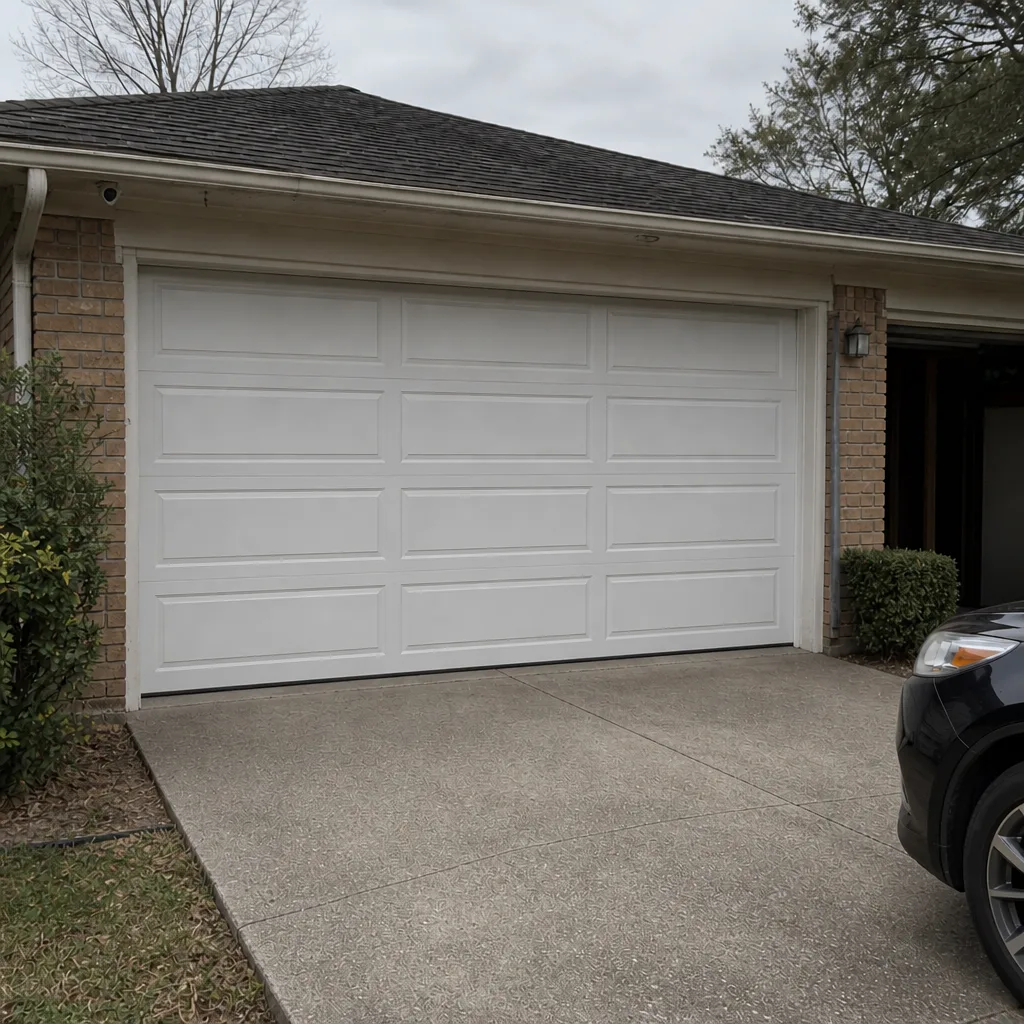 After
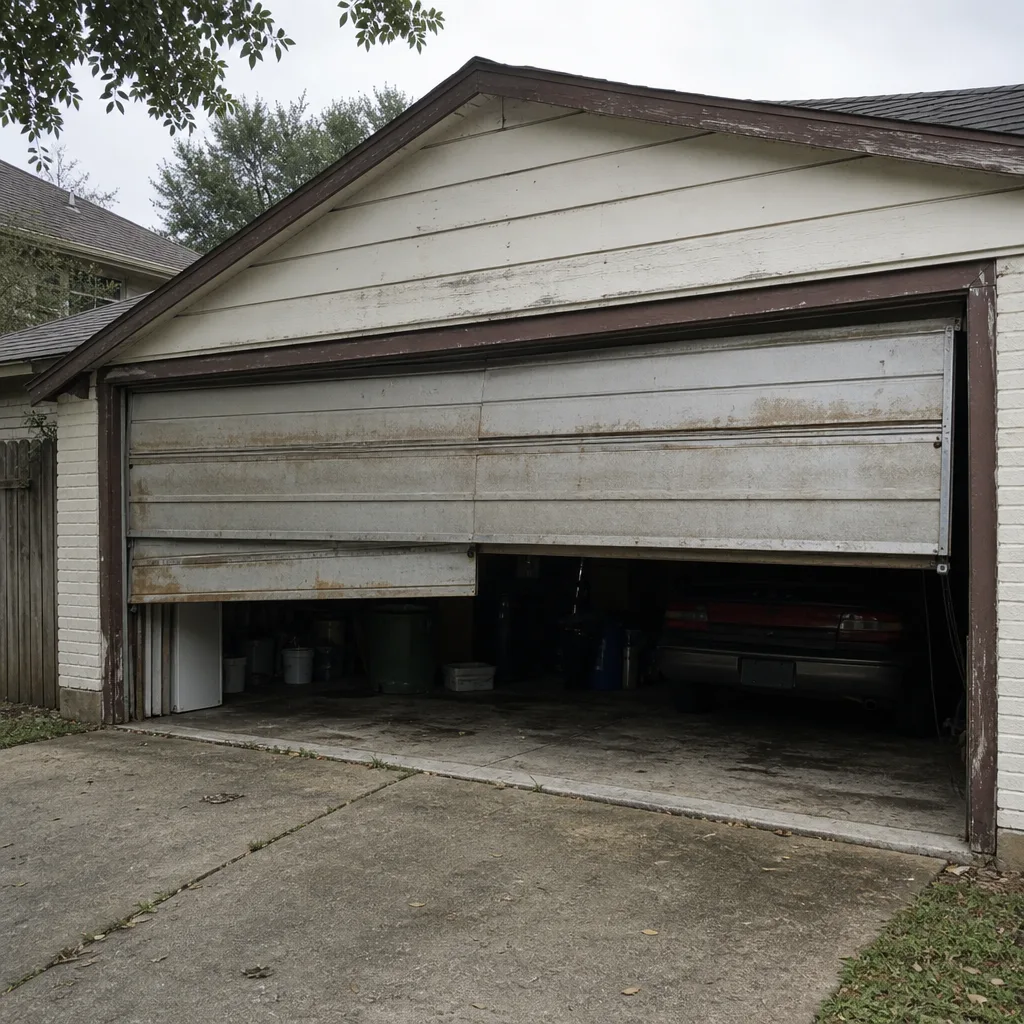 Before
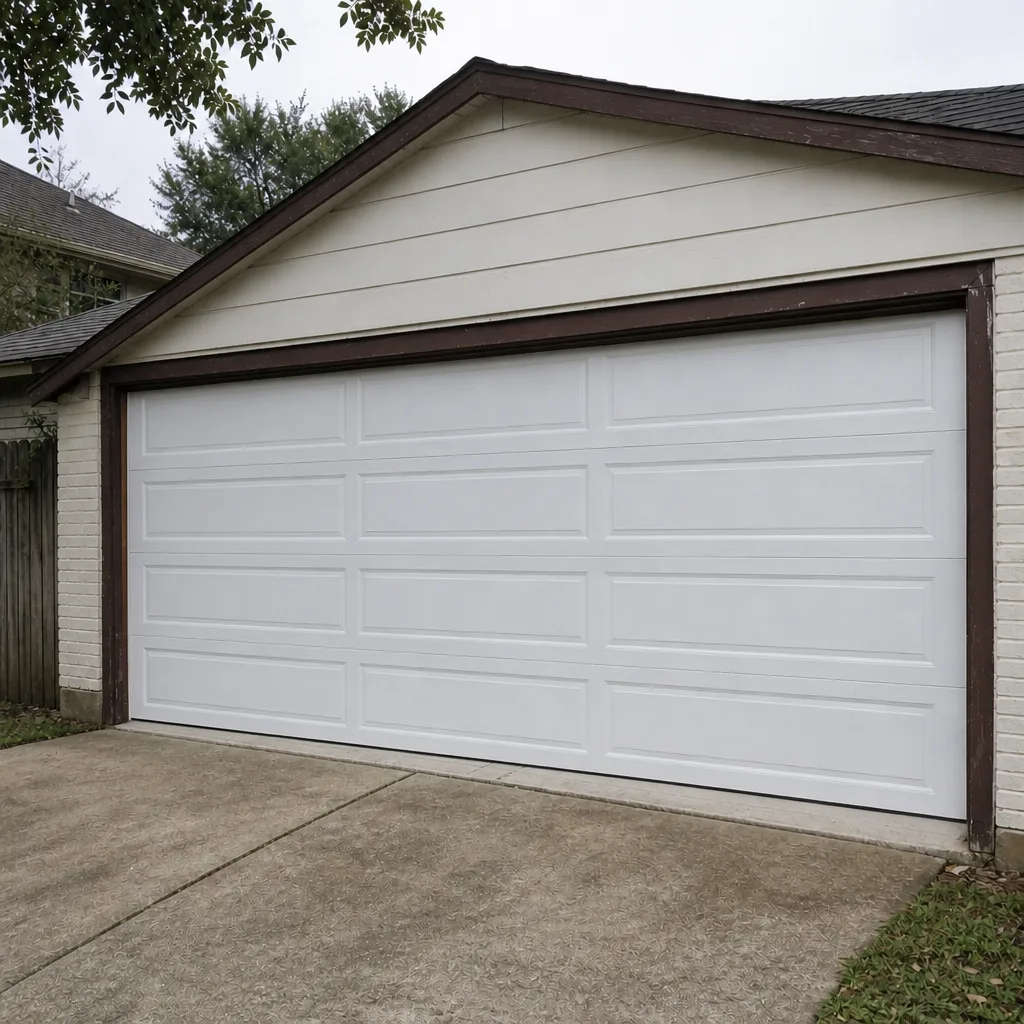 After
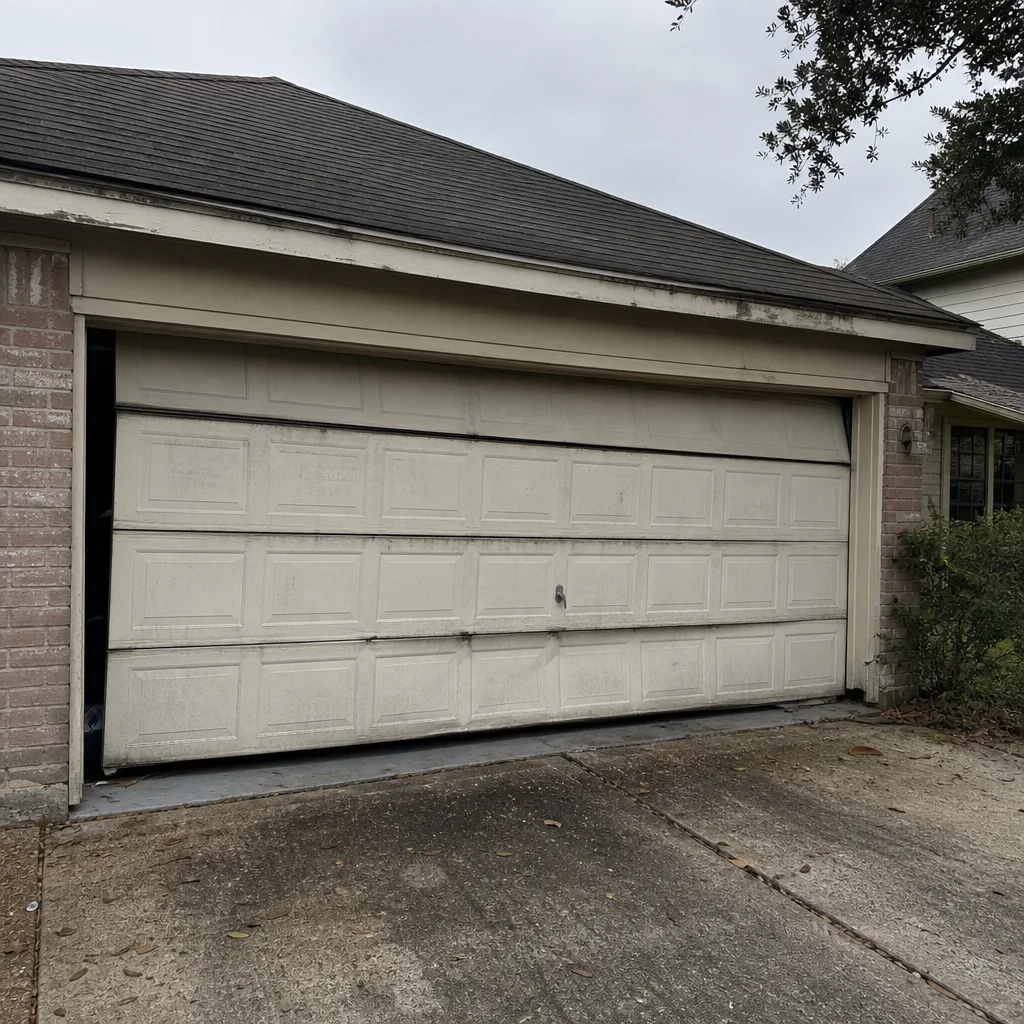 Before
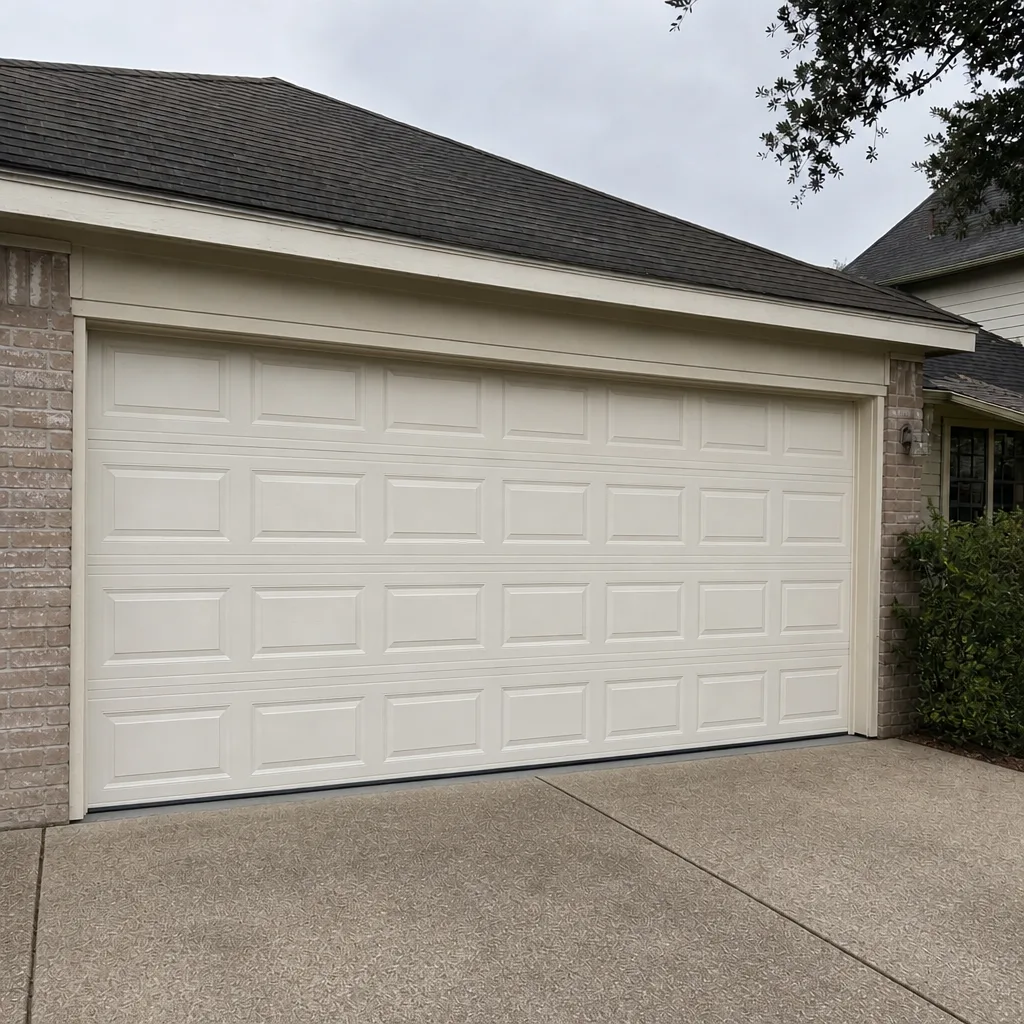 After
When to Call a Professional
Some problems are safe to watch and some want a call right away. Call a professional if a spring has visibly snapped, if the door drops fast or won’t stay up, if a cable looks frayed or has come off its drum, if the door has jumped its track, or if the opener strains or reverses for no reason. Noises that grow louder over a week, or a door that feels heavier each time you lift it, are early warnings worth acting on before they strand the door. Spring and cable work is genuinely hazardous and belongs to a trained technician. Garage Door Repair Energy Corridor offers free estimates in Energy Corridor. Call (855) 337-1190 and we’ll diagnose it correctly the first time.
Frequently Asked Questions
Yes, corrosion-resistant hardware is worth it here. The subtropical humidity in this part of Houston keeps metal damp much of the year, so galvanized springs, cables, and nylon rollers hold up far better than standard steel. Matching the grade of part to the climate is the single easiest way to extend the life of the system.
No, the two are independent. A Genie, LiftMaster, Chamberlain, or Craftsman opener will drive a Clopay, Amarr, or Wayne Dalton door as long as the opener is sized to the door’s weight. Springs and hardware are matched to the door’s weight and dimensions, not to a brand label, so you’re free to choose each part on its own merits.
Oversized three-car and RV-height doors are common here, and those doors are much heavier than a standard single. Residential default springs wear out early under that load, so the door needs a commercial-grade torsion system sized to its actual weight and how often it cycles. That keeps the springs and the opener from working themselves to failure.
Choose insulation for cooling load rather than heating. An insulated, sandwich-style door with a polyurethane or polystyrene core makes the most difference for an attached garage, and you get most of the comfort benefit from going from uninsulated to solidly insulated. Going far beyond that earns diminishing returns unless the garage is conditioned space.
Get your association’s approved panel style, color, and window rules in writing before you order. Energy Corridor and Memorial Villages subdivisions often regulate those details, and matching a door from a brand like Clopay or Amarr to the approved list keeps you from paying to redo an order. When we measure for a new door, we work from your HOA requirements.
We service all eight major brands: LiftMaster, Chamberlain, Genie, Clopay, Amarr, Wayne Dalton, Craftsman, and Raynor. That coverage means you don’t have to find a different company for each component. We also stock and sell parts directly, so common fixes don’t wait on a distributor.
The Bottom Line
Energy Corridor is a demanding place for a garage door, and the deciding factors aren’t the ones most guides talk about. Humidity makes corrosion-resistant hardware worth the money. Oversized garages make commercial-grade torsion springs the right default. HOA rules make getting approval in writing before you order essential. Insulation is a cooling decision, not a heating one. And your opener and door don’t need to share a brand, which opens up your choices. Get these right and the door will hold up and run smoothly for a long time. When you’re ready to fix, replace, or just get a straight answer, call Garage Door Repair Energy Corridor at (855) 337-1190 for a free estimate and a written price before any work starts.
Written by the team at Garage Door Repair Energy Corridor.