Last updated November 20, 2026
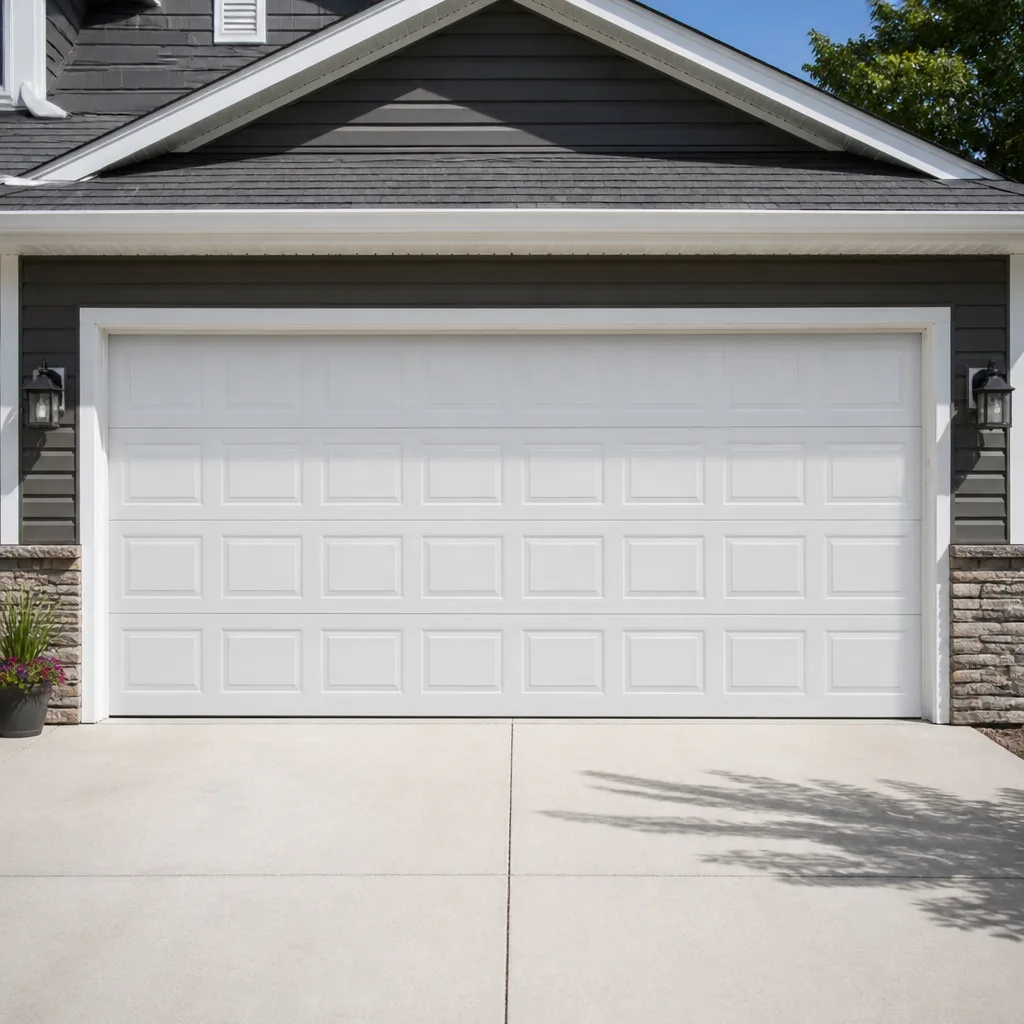 Raised-panel steel
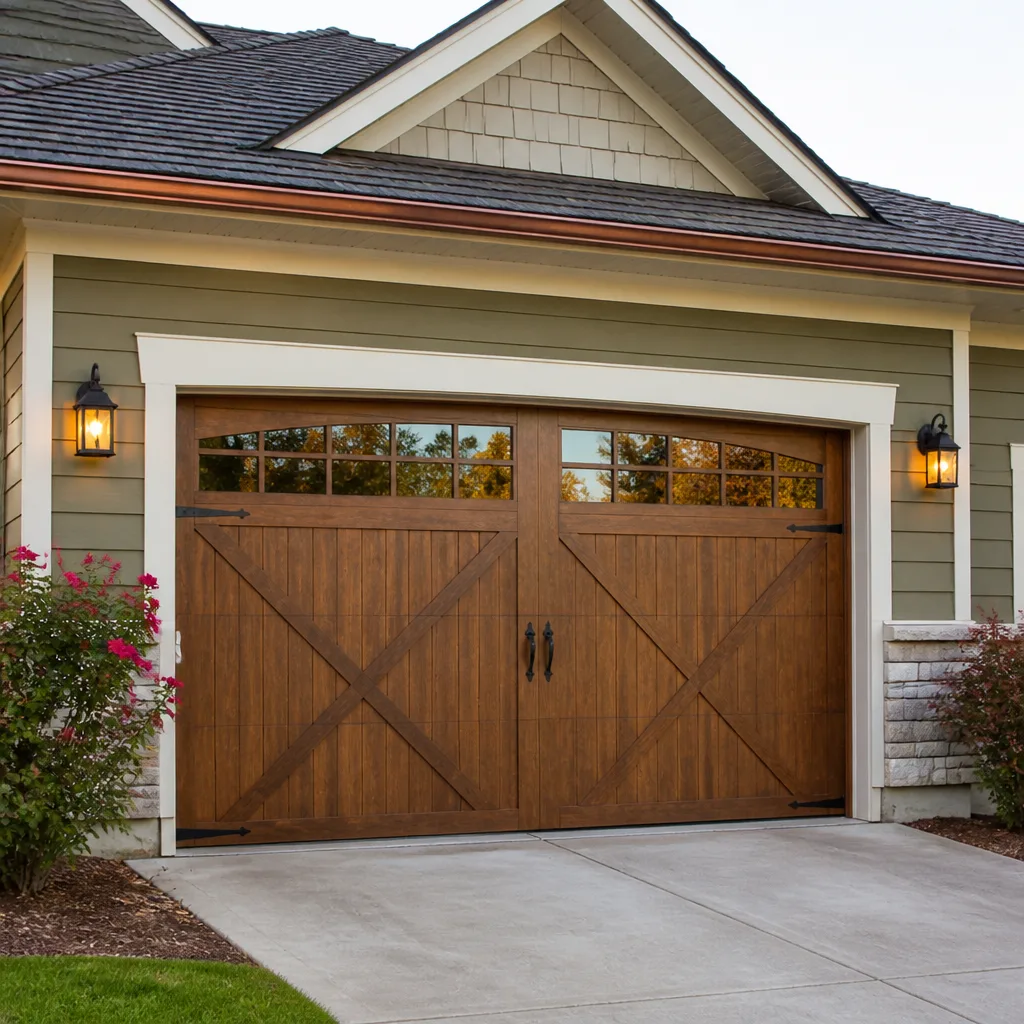 Carriage house
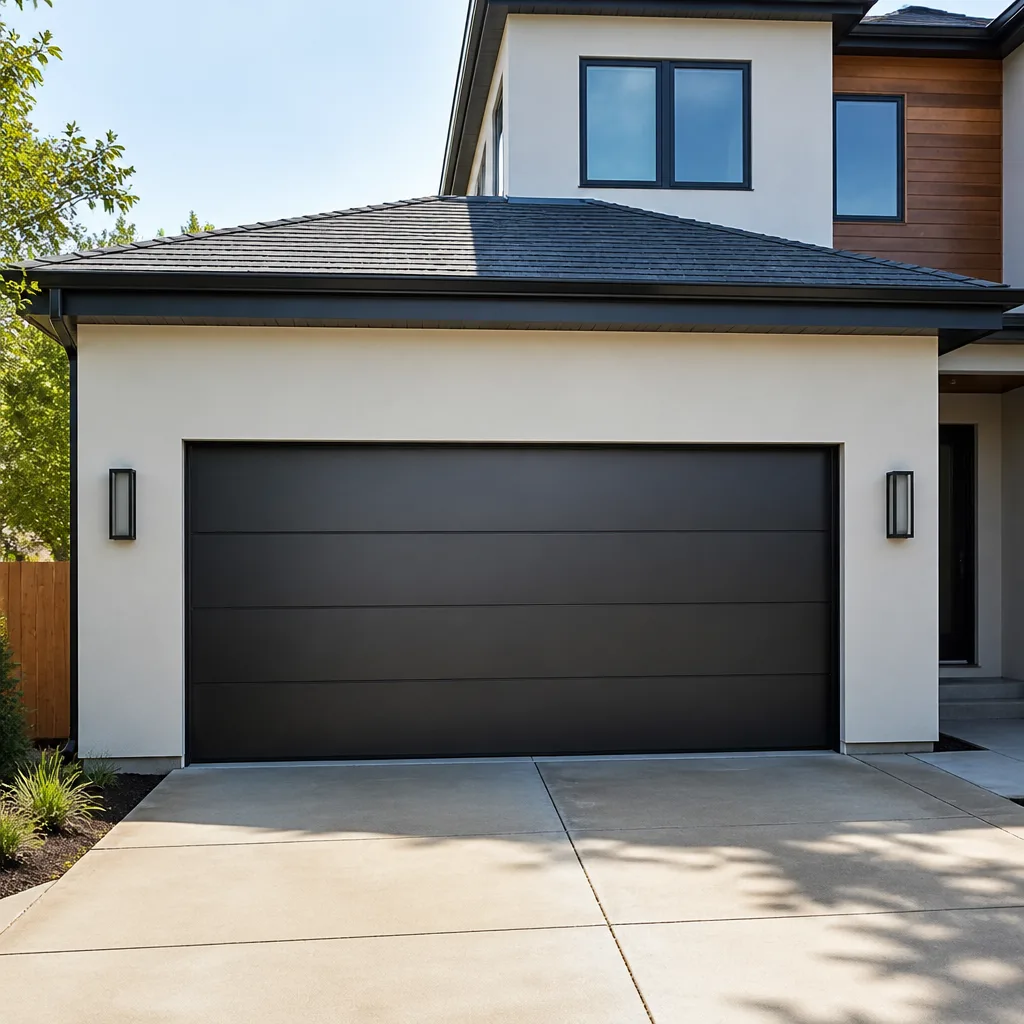 Modern flush
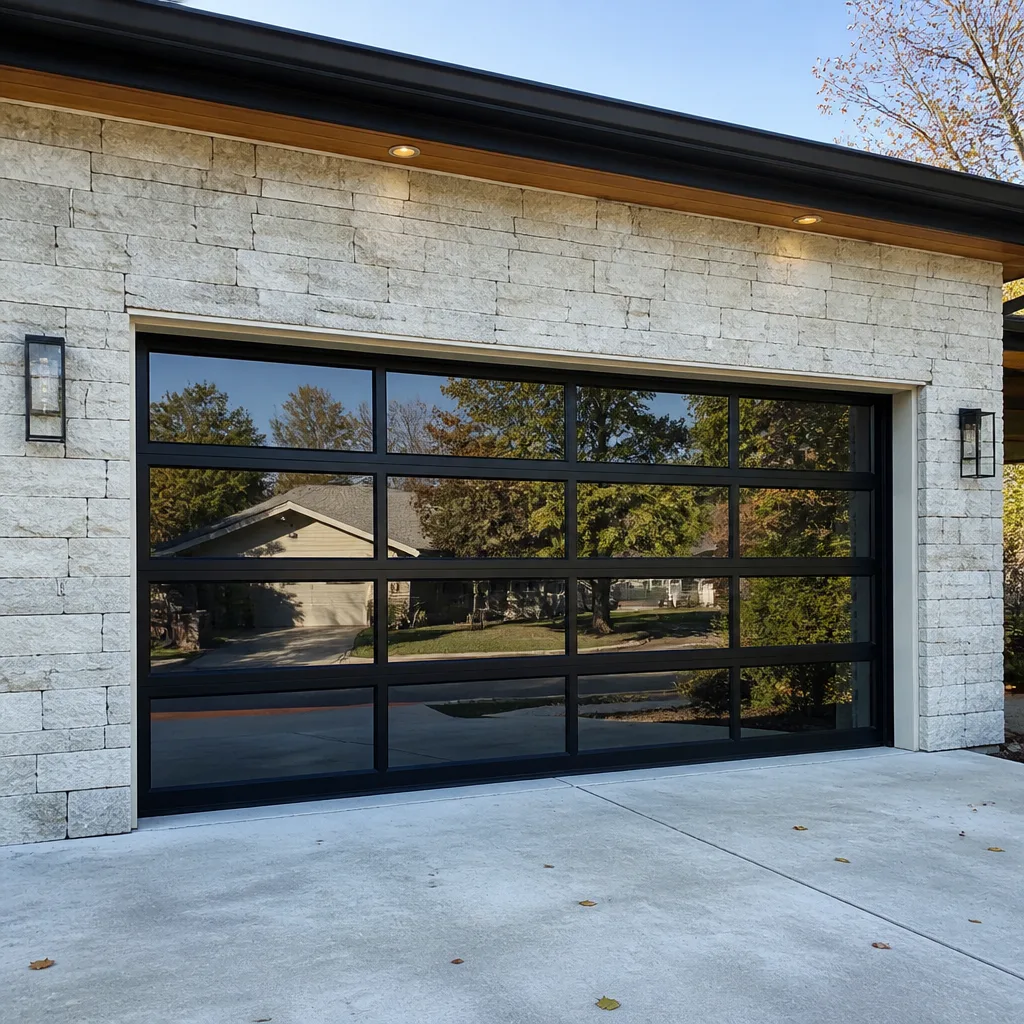 Full-view glass
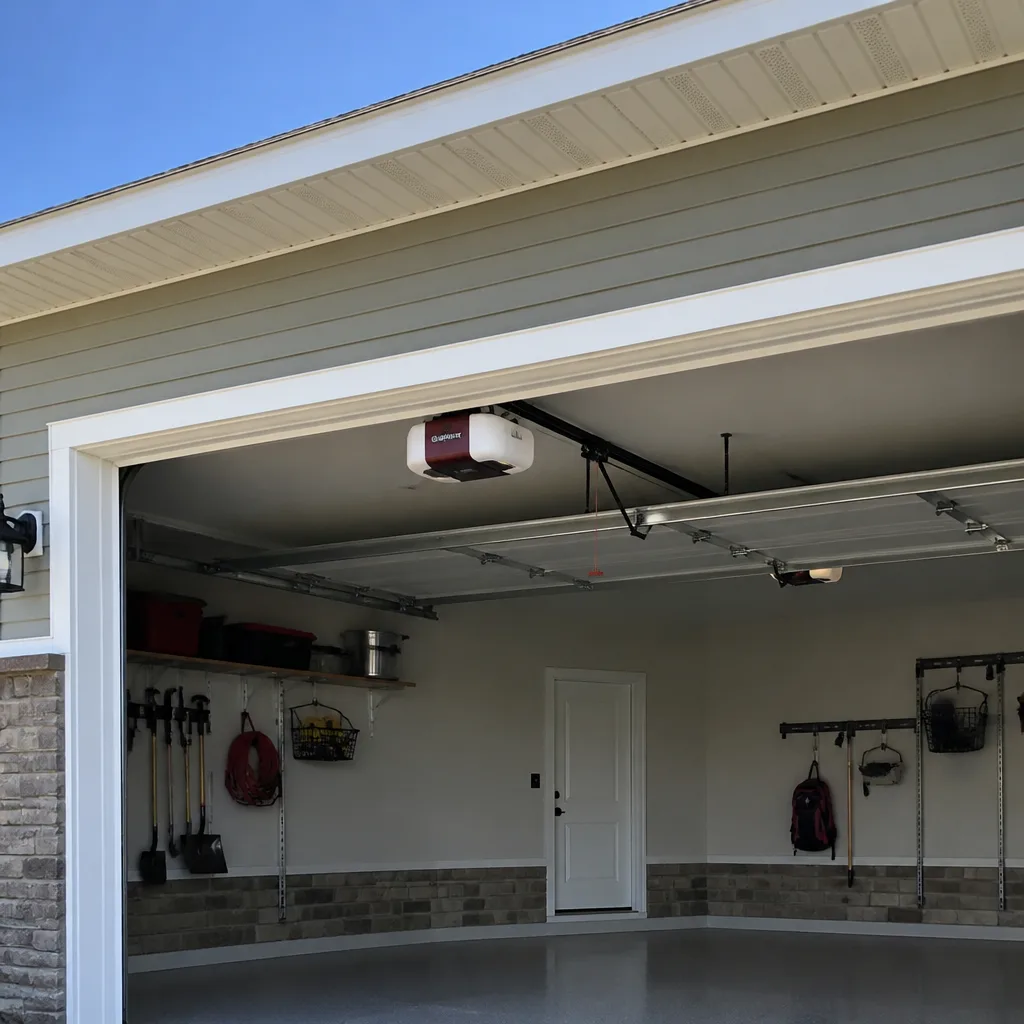 LiftMaster openers
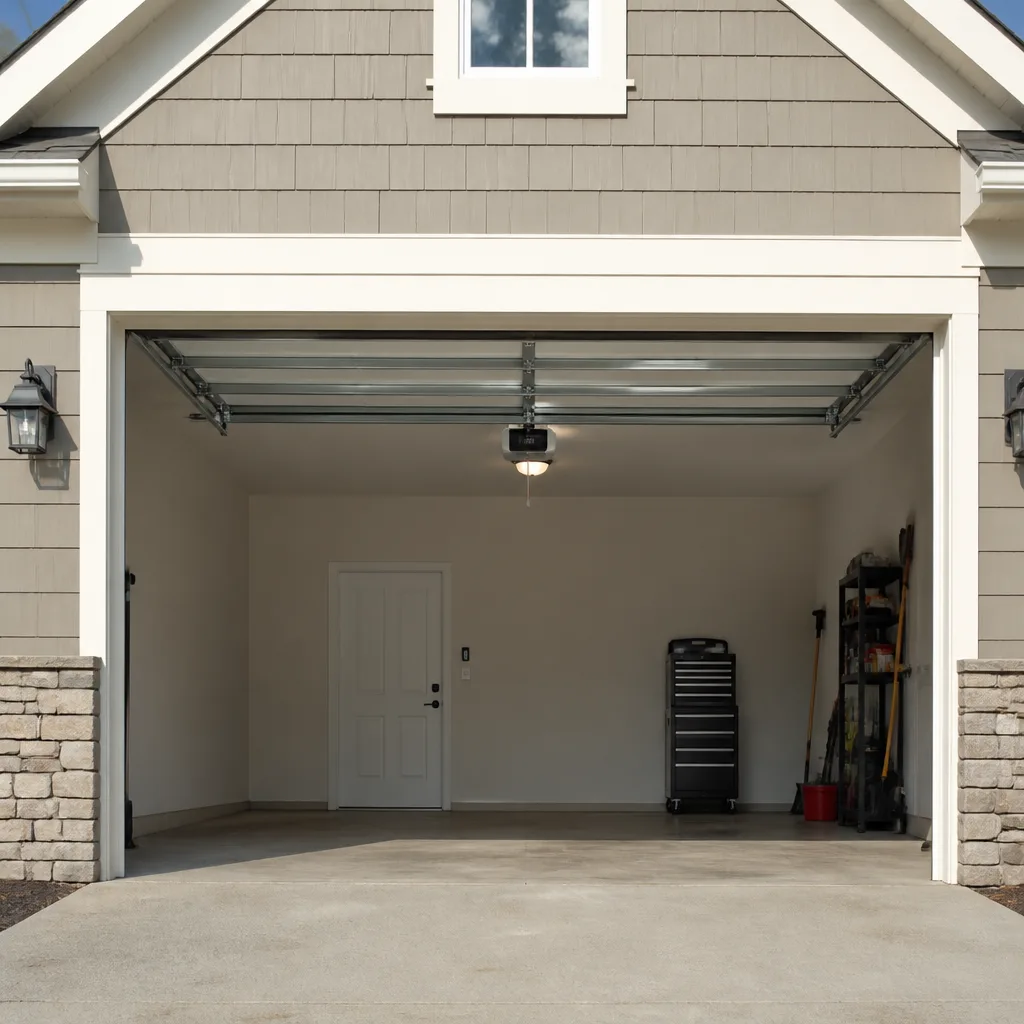 Chamberlain openers
Full 25-point door and opener safety check with every visit - springs, cables, rollers, tracks, and your LiftMaster or Chamberlain opener included
You get a price before we start. It does not change when the pro arrives.
Get your free estimateGarage Door Warning Signs: An Energy Corridor Homeowner’s Reference Guide
Most garage door failures announce themselves weeks before they happen. A torsion spring doesn’t shear off in a vacuum; it grinds under load, hesitates at the top of the travel, and leaves a fine dust of metal on the hardware for weeks beforehand. The problem is that almost nobody is listening. Homeowners tend to treat the garage door like a light switch: it works until it doesn’t, and then it’s an emergency. If you learn to read the small clues, you can usually catch a developing fault while it’s still a scheduled repair instead of a car trapped behind a dead door. This guide walks through the sounds, the visual tells, and a 60-second check you can run once a month in Energy Corridor without a single tool.
Quick Answer
The most reliable garage door warning signs are a grinding or popping sound during travel, a door that hesitates or slows on the way up, visible rust streaks or panel corner separation, and a gap forming under the weather seal. Any of these means the door needs a technician’s inspection, and a door that hesitates on the upstroke should not be used until it’s checked. Catching these signs early is what separates a minor scheduled fix from a full breakdown.
Styles & brands we work with
- Raised-panel steel
- Carriage house
- Modern flush
- Full-view glass
- LiftMaster openers
- Chamberlain openers
Table of Contents
- The Audio Diagnostic: What Each Garage Door Sound Actually Means
- Visual Warning Signs in Energy Corridor’s Climate
- Response Time: Which Signs Mean “Wait” and Which Mean “Stop”
- Opener Behavior That Points Away From the Motor
- The 60-Second Monthly Check That Catches Most Failures
- What Energy Corridor Humidity Does to Your Hardware
- Why Brand Matters Less Than Diagnosis
The Audio Diagnostic: What Each Garage Door Sound Actually Means
Sound is the earliest warning a garage door gives you, and it’s the one most people tune out. Every moving part has a signature, and once you learn to separate them, you can tell a cheap fix from a serious one just by standing in the driveway and listening. Here’s how the common sounds break down by source.
Grinding rollers
A steady, dry grinding that rises and falls with the door’s speed usually comes from the rollers. Rollers ride in the track and carry the full weight of the door. When the bearings wear or dry out, you hear metal friction instead of smooth rolling. Roller noise tends to be constant and predictable, which is good news: it’s rarely urgent. Lubricating or replacing rollers is routine work, and it’s the kind of thing a technician can fold into a single visit along with a tune-up.
A worn torsion spring
A torsion spring under load makes a low, rhythmic creak or a sharp pop as the door passes a certain point. The pop is the sound of a coil binding and releasing. You may hear it two or three times during a single open cycle, always at roughly the same position. That’s the pattern to watch. A spring cycling toward failure doesn’t usually snap without that warning creak first. Spring work is the most dangerous job on a garage door. The torsion spring stores an enormous amount of energy, and a trained technician using the right winding tools is the only safe way to handle it. We treat spring diagnosis as a specialist task for exactly that reason.
A binding cable
A cable that’s starting to bind or fray produces a scraping, twanging sound near one side of the door, often just as the door starts to lift. Paired with a door that looks slightly crooked, a binding cable is a genuine safety issue. We recommend you stop using the door and get it looked at promptly.
A stripping opener gear
If the opener motor runs but you hear a plastic-on-plastic grinding from the unit itself while the door barely moves, you’re likely hearing a stripping drive gear inside the opener. This is a different sound from the door hardware above your head, and it usually means opener repair rather than a door problem. A trained technician can confirm the diagnosis quickly. If the gear or the logic board needs work, that’s a job we handle directly, and brand coverage matters here, since we service LiftMaster, Chamberlain, Craftsman, and the other major systems without swapping you to a different unit.
The point is that no two of these sounds are the same. If you can tell a roller grind from a spring creak, you already know whether you’re looking at a house call this week or a tune-up at your convenience.
Visual Warning Signs in Energy Corridor’s Climate
Energy Corridor’s warm, humid climate leaves a specific fingerprint on garage hardware. The same conditions that keep the neighborhood lush are hard on the metal and seals on your door. If you know what the humidity does, you can spot trouble before it costs you. Here’s what to look at, and why it happens here in particular.
Rust streaks on hardware
Humidity cycling pulls moisture into the same steel parts that carry the door’s weight. You’ll see it first as orange-brown streaking on the hinges, the roller stems, and the fasteners rather than on the painted panels, because painted surfaces are protected and the working hardware isn’t. Streaks on the hinges are a sign the door’s stress points are collecting moisture and starting to corrode. Over time corrosion stiffens the joints and adds drag. A technician can free sticking hinges and replace worn hardware in a single visit.
Weather seal shrinkage gaps
The rubber or vinyl seal along the bottom of the door expands and contracts with temperature and moisture. Over a season or two it can shrink and pull back, leaving a visible gap under the door when it’s closed. That gap lets in pests, water, and dust, and it also gives you a visual cue that the seal needs replacing. Check the seal from the outside on a bright day. If you can see light under the door, the seal is done.
Panel corner separation
Wood and composite panels move with humidity. On the humid side of the year they swell, and in the dry stretches they shrink back. Over time that cycling can open a small gap at the corners where the panel meets its frame. Look for corners where the paint has cracked or where you can fit a fingernail into the seam. A door with separating corners is less rigid, and that puts extra strain on springs, cables, and the opener. Catching it early is worth the look. If the panels are getting worse, a proper garage door installation with correctly rated hardware is often the better long-term move than chasing one panel at a time.
These three signs share a cause. The climate here is gentle on engines and hard on metal and rubber. A monthly look at the hardware and the seal catches most of the failures we’re called out for, because they show up visually before they show up mechanically.
Response Time: Which Signs Mean “Wait” and Which Mean “Stop”
Not every warning sign deserves the same urgency. Some mean schedule a visit within a week or two. Others mean the door should stay down until a technician sees it. Knowing the difference protects you from the 7am trapped-car scenario and keeps you from overreacting to a noise that can wait. Here’s how to sort your list.
Signs that call for a visit within a week
- Grinding or squeaking rollers that get louder over a few days
- Rust streaks on hinges and hardware that are spreading
- A bottom seal with a small but growing gap
- One panel corner beginning to separate
- An opener that pauses for a moment before starting to lift
These are early warnings. A scheduled visit lets a technician inspect the whole system, replace worn parts, and confirm nothing else is developing. That’s the repair you want. It’s usually simpler and faster than an emergency call once the door stops entirely.
Signs that mean stop using the door
- A sharp pop or snap followed by the door refusing to lift or falling heavily
- A visibly crooked door that rises at an angle
- A frayed or twanging cable on one side
- Any door that the opener can’t hold when it stops
These point to spring or cable failure. The door is now carrying its own weight with nothing safely holding it, and using it risks injury and further damage. Leave it down and have a trained technician diagnose it. We specialize in spring repair specifically because it’s the job that most needs doing right, and it’s the one a generalist is most likely to decline or subcontract. When a spring fails, that’s the time to call us rather than to try to open the door and see what happens.
The pattern is simple: creeping sounds and cosmetic clues can wait a week; sudden loud failures and crooked travel cannot.
Opener Behavior That Points Away From the Motor
Here’s a misdiagnosis we see often. The owner notices the garage door opener hesitation and assumes the motor is failing, so they shop for a new opener. But hesitation on the upstroke is more often a sign of spring tension loss, not motor failure. The motor is doing extra work because the spring is no longer doing its share. The fix may be springs and hardware, not the opener itself. That’s why diagnosis comes first, and why we ask about the door’s behavior before recommending anything.
What normal opener behavior looks like
A healthy opener starts the door smoothly, lifts at a steady pace, and finishes the travel without strain. The motor should sound relaxed at the start and pick up a bit of speed as the door comes up. It should stop cleanly at the top and lower at an even pace on the way down.
Behavior that points to spring tension loss
- The door hesitates for a second before it starts to rise
- The motor sounds strained on the way up and normal on the way down
- The door lifts slowly at the bottom and speeds up near the top
- The opener clicks but the door barely moves on the first try
Each of those is the motor straining against a door that the springs should be helping to lift. Left alone, the strain flows into the opener’s gear and board and the motor eventually gives out too. Catch it early and you may only be looking at spring work. Catch it late and you may need both spring work and garage door opener repair.
When the opener really is the problem
Some signs do point to the opener itself: a grinding from the unit while the door doesn’t move, a logic board that won’t respond to the remote, or a unit that turns on but won’t lift at all. Those are opener issues, and we service the major brands, including LiftMaster and Chamberlain, though the same diagnostic principle applies across all of them. The unit tells you what it’s doing; the door tells you what’s wrong. Read them together.
If you’ve watched the door hesitate for a couple of weeks and put off the call, this is the one sign we’d suggest you not ignore. It’s the clearest window you’ll get before a two-part repair becomes necessary.
The 60-Second Monthly Check That Catches Most Failures
You don’t need tools to catch most developing failures. This check takes about a minute, once a month, and it will surface the majority of the warning signs above before they become emergencies. Run it on a day when you’re already working around the house. Here’s the sequence.
- Listen. Open and close the door once, start to finish, and just listen. Notice any grinding, popping, scraping, or creaking. Compare it to how it sounded last month.
- Watch the travel. Stand to the side and watch the door rise. Is it steady, or does it hesitate at the bottom? Does it lift crooked, rising faster on one side than the other?
- Look at the hardware. Run your eyes along the hinges, roller stems, and fasteners. Any new orange-brown streaking is worth noting.
- Check the seal. On a bright day, close the door and look for light coming under the bottom edge from the outside.
- Test the balance. Disconnect the opener (follow the manual’s release), lift the door to about halfway, and let go. A well-balanced door should stay roughly where you leave it. One that drops means the springs are losing tension.
- Scan the panels. Look along the corners for cracks in the paint or seams that have opened.
- Give the opener a listen. Press the button and note whether the unit starts promptly or pauses before it lifts.
That’s the whole check. None of it requires a tool, and none of it asks you to touch a spring or a cable. If a step turns up something concerning, jot down what you heard or saw and the date, then schedule an inspection. The record tells the technician your timeline, and the timeline tells them how urgent the job is.
We’ve had homeowners run this check for a while and call in with a specific note: “grinding on the upstroke, louder this month, noticed it in August.” That kind of detail makes a diagnosis fast and a repair straightforward. It’s how you turn an emergency into a scheduled visit.
What Energy Corridor Humidity Does to Your Hardware
Energy Corridor’s warm and humid climate is easy on the engine and hard on the metal. The two conditions that matter most for garage doors here are the humidity swings between the humid stretches and the drier ones, and the way that cycle works on the same cast metal and rubber hardware on a monthly basis. Understanding the mechanism tells you what to look for and when.
The cycle explained
When the air holds more moisture, steel collects it. Then the humidity drops and the moisture evaporates, leaving behind mineral deposits and starting the corrosion process. Repeat that cycle month after month and the same parts take a steady toll. It’s not dramatic. It’s a slow, consistent drift that accumulates on the hinges, the roller stems, and the plated fasteners. Those parts don’t get the paint protection the door panels do, which is why they show age first.
Rubber reacts to the same swings differently. It absorbs moisture during the humid stretches and shrinks when the air dries out. Over time it hardens and loses its flex, and the seal at the bottom of the door pulls back from the edges. That’s why a seal that sat flush two seasons ago may now show a gap.
What to do about it
- Keep the hardware clean and free of standing moisture. A dry cloth on hinges and stems during your monthly check helps.
- Watch for rust streaks more than rust spots. A streak tells you moisture is collecting and moving.
- Inspect the bottom seal after the dry stretches, when shrinkage is most visible.
- Check panel corners after the humid stretches, when swelling is at its peak.
This isn’t a reason to worry. It’s a reason to look. The Energy Corridor climate doesn’t destroy garage doors, but it does test them steadily and at the same rhythm. A monthly check timed to the season catches most of what the cycle throws at your hardware. If you find a problem you can’t diagnose on your own, our garage door repair service is the single call that covers it.
Why Brand Matters Less Than Diagnosis
Homeowners often ask which brand of door or opener they should trust before they even know what’s wrong. In our experience, the brand matters at the repair stage, not at the diagnosis stage. The sounds and visual cues above are the same across doors and openers. Diagnosis needs to come first, then the brand question becomes simple: can the technician service the system you already own?
We’re a multi-brand specialist rather than a single-brand dealer, and that shapes how we work. We don’t steer a diagnosis toward a particular manufacturer’s product line, because our recommendations follow your existing system and actual needs. Our technicians are trained across eight major brands, including Craftsman, Raynor, LiftMaster, Chamberlain, Genie, Clopay, Amarr, and Wayne Dalton. We also sell garage door parts directly, which shortens the wait on a fix. If your opener is stripping a gear or your spring has creaked its last, we don’t need a distributor order before we can help.
That’s the practical difference. A generalist handyman or a single-brand dealer may decline spring work or need to order a common part, which stretches a two-visit job into a week of waiting. A specialist who works on your brand and stocks parts directly gets to the fix faster.
A quick brand note for repair urgency
- LiftMaster and Chamberlain: Logic board or gear stripping are common failure modes. Both are serviceable in-house.
- Craftsman: Aging units can lose tension in the door hardware, not the opener. A whole-system check catches it.
- Raynor: Panel and hardware wear is often the trigger for a door that hesitates. Worth a full inspection.
Whatever you’re running, the first step is the same: get eyes on it. If you’re not sure who made the door or opener, we can typically identify it during a visit and tell you what it needs. That’s most of what you need to know about garage door opener repair too: the diagnosis drives the fix, not the label on the unit.
Common Mistakes to Avoid
- Waiting until the door stops entirely. Every failure mode in this guide has a warning window, usually measured in weeks. Waiting for complete failure throws that window away and puts you on a Monday morning emergency calendar instead of a scheduled visit.
- Misreading opener hesitation as motor failure. A strained upstroke usually means the spring is losing tension, not the motor. Replacing the opener without addressing the springs leaves the real problem in place, and the new unit just bears the same strain as the old one.
- Ignoring rust streaks because the door still opens. Corrosion on hinges and roller stems stiffens the joints and adds drag. The door works fine until it doesn’t, and by then the hardware needs replacing rather than a clean-and-lubricate.
- Letting the bottom seal shrink without checking it. The seal is easy to overlook because it doesn’t affect the door’s movement, but a visible gap lets in moisture and pests. Check in the dry stretches, when the shrinkage shows clearly.
- Thinking a crooked door is cosmetic. A door that rises at an angle almost always points to a cable or spring issue, and it can be unsafe. Don’t run it to “see if it settles.” Warm up the car with the garage door down and call for a diagnosis.
- Trying to adjust springs yourself. This is the one job you should never attack without training. Torsion springs store force that can injure seriously even at small turns. That belongs to a trained technician with the right tools.
- Skipping the monthly check because the door seems fine. The check takes a minute and catches most developing failures. Skipping it is how small, cheap problems become larger, costlier ones.
See the difference
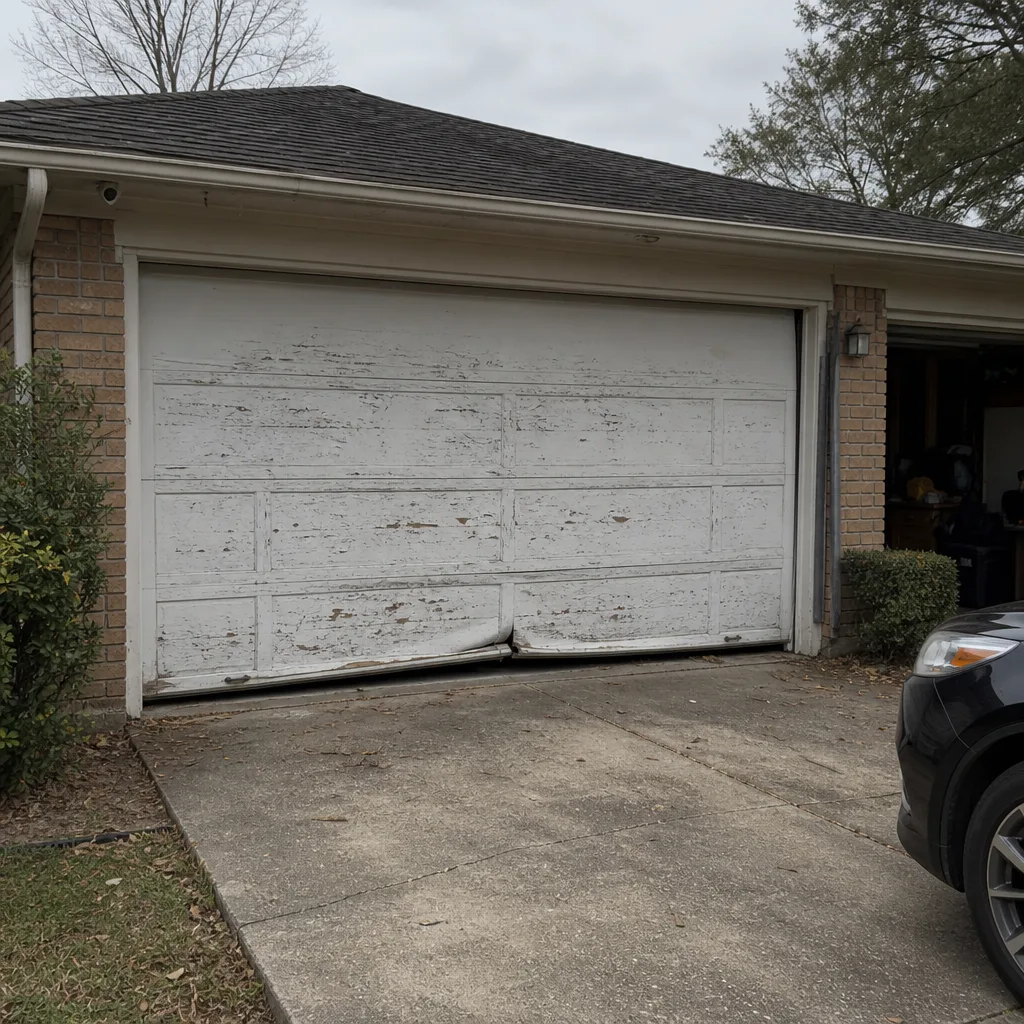 Before
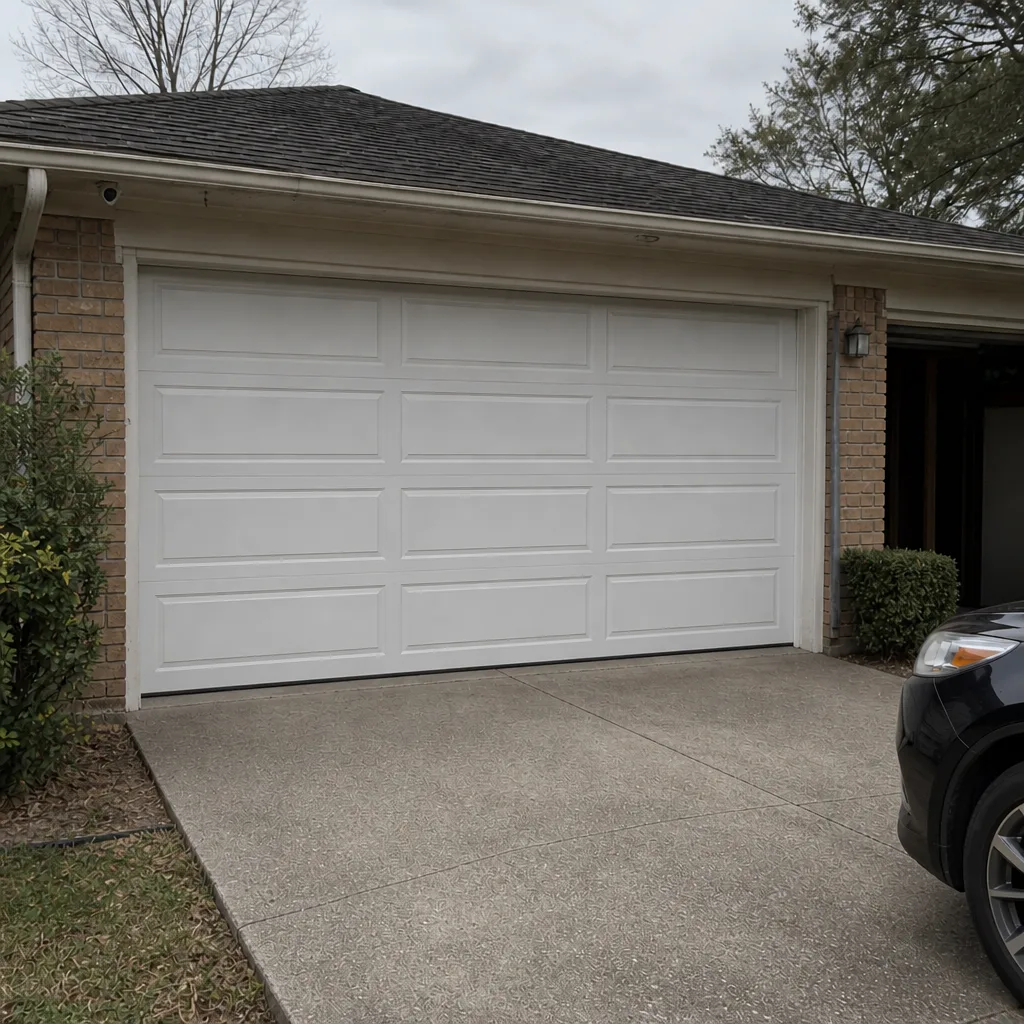 After
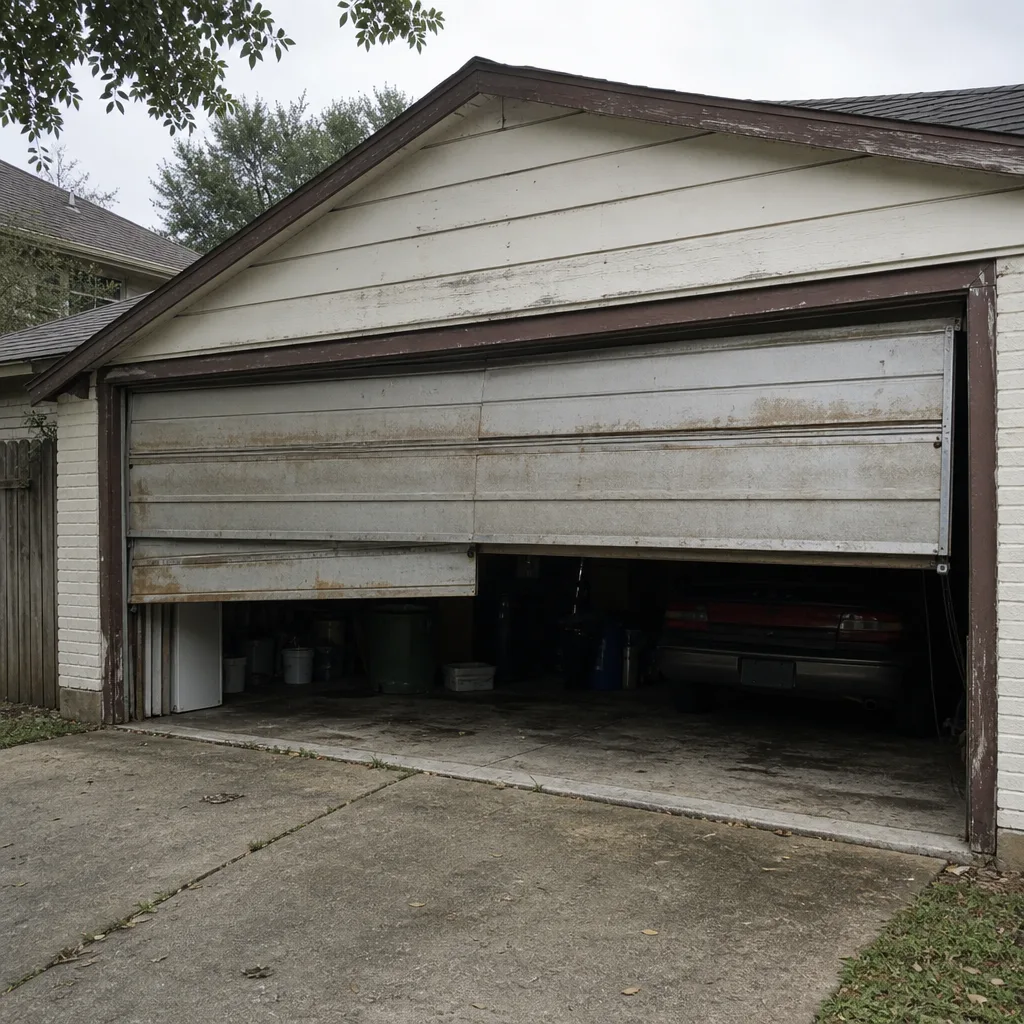 Before
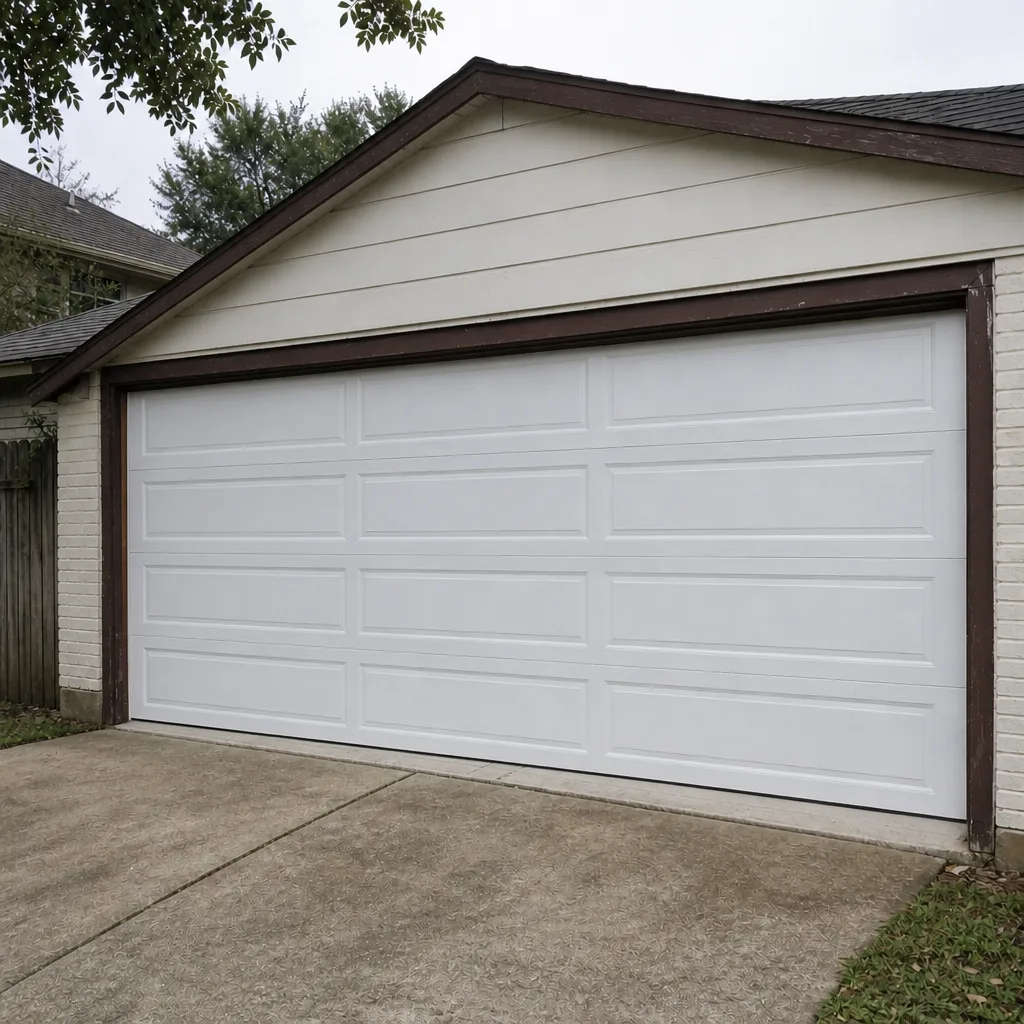 After
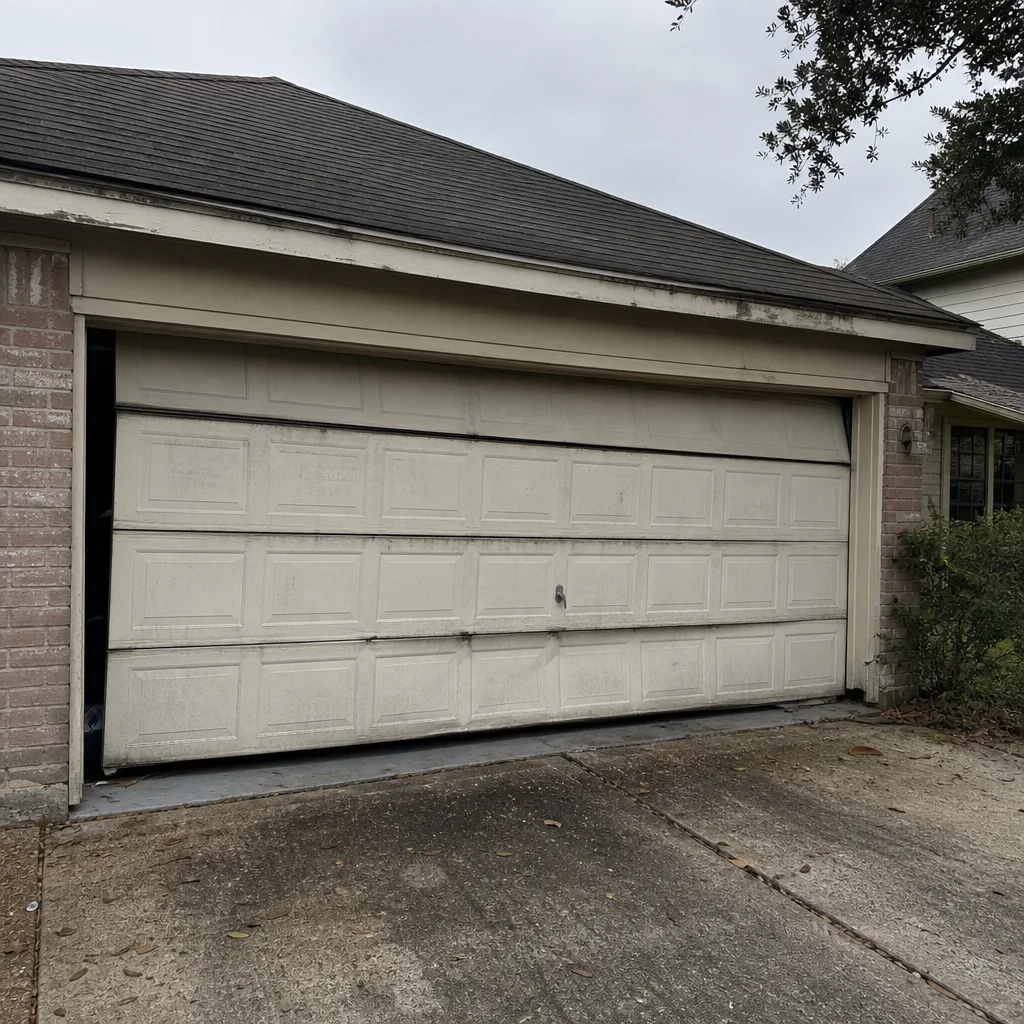 Before
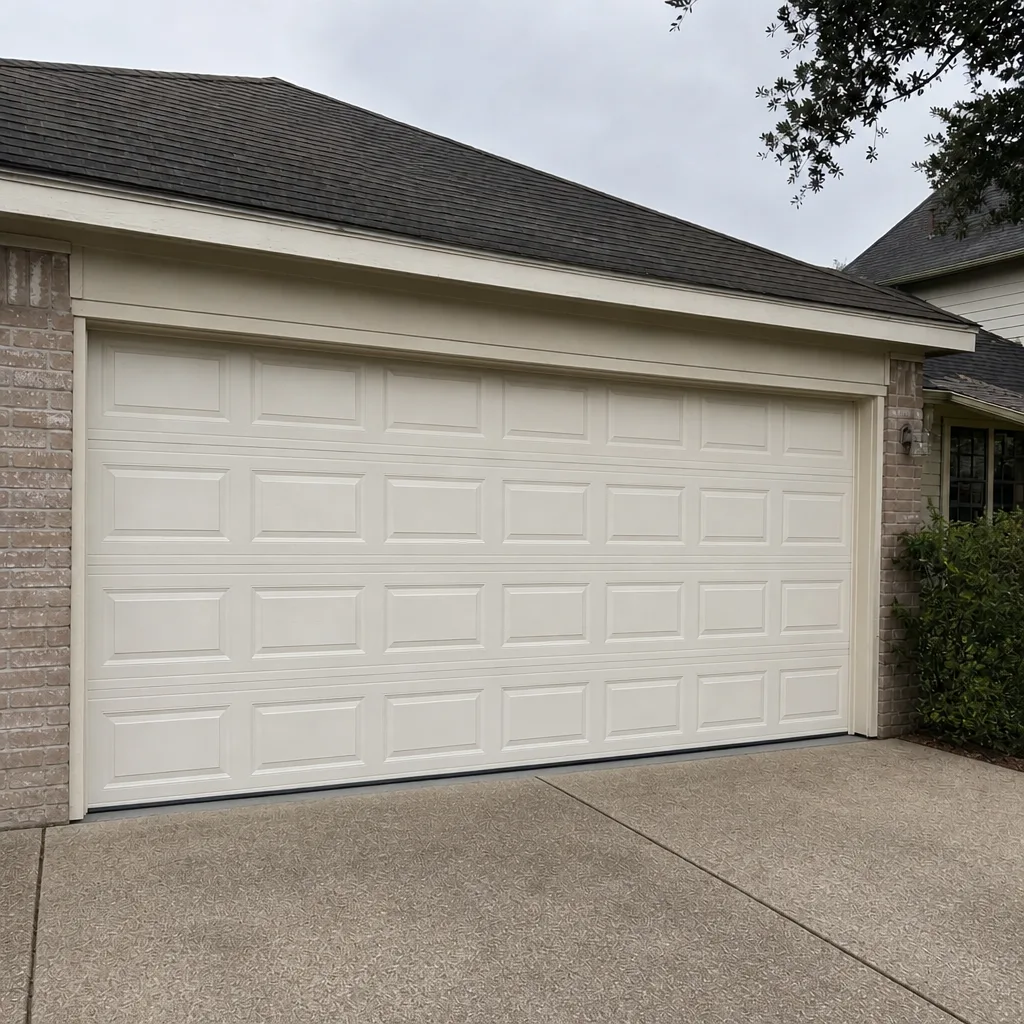 After
When to Call a Professional
Call a professional when you hear a sharp pop or snap, see the door rise crooked, spot a frayed or scratching cable, or find that the opener can’t hold the door when it stops. Any of those mean the door’s weight is no longer being carried safely, and you shouldn’t run it. Call sooner if you’ve noticed a grinding roller or a hesitating upstroke that’s gotten worse over a week or two. Catching it early turns a likely two-part repair into a scheduled fix. If you’re not sure which category your warning sign falls into, a diagnostic visit will settle it. Garage Door Repair Energy Corridor offers free estimates in Energy Corridor, and our technicians have up to 8 years of experience reading exactly these signs. Call (855) 337-1190 for a free estimate, or schedule an inspection and get the written quote before any work begins.
Frequently Asked Questions
The earliest signs are usually a grinding or popping sound during travel, a door that hesitates before it lifts, and rust streaks on the hinges or roller stems. Of those, a hesitation on the upstroke is the one that most often points to a spring problem rather than the opener. Catch it early and you’re scheduling a repair instead of an emergency call.
Usually not, but it depends on where the noise comes from. A steady grinding from the rollers is rarely urgent and is routine to fix, while a scraping or twanging sound near one side of the door may point to a cable and should be treated as a stop. If the door still lifts evenly and the sound is steady, schedule a visit within a week. If it’s crooked or the sound is sudden, leave it down and call (855) 337-1190.
A hesitation on the upstroke usually points to spring tension loss rather than the motor. The spring isn’t carrying its share of the door’s weight, so the opener has to pull harder to get it moving. Left alone, that strain flows into the opener’s gear and board. A trained technician can confirm which part is failing before you spend money on a new opener.
Listen for a low creak or a sharp pop as the door passes a certain point, and watch for a door that lifts slowly at the bottom and speeds up near the top. A balance test can confirm it: with the opener released, lift the door to about halfway and let go. If it drops rather than staying put, the springs are losing tension. Don’t try to adjust or replace springs yourself; they store serious force and belong to a trained technician.
It doesn’t destroy them, but it does steadily work on the unpainted metal and rubber. The cycle of humid air and then dry air leaves rust streaks on hinges and roller stems and shrinks the bottom seal over time. The fix is regular inspection, not worry. A monthly check that follows the season catches most of what the climate throws at your hardware.
We service all eight major brands, and we sell garage door parts directly rather than ordering through a third-party distributor. That means a common component like a roller, hinge, or opener gear doesn’t stretch the job into a week of waiting. If you’re not sure which brand you have, we can usually identify it during a visit. For a same-day diagnostic, our garage door repair team is the place to start.
The Bottom Line
Most garage door failures give you weeks of warning. The creak of a dying spring, the grind of a dry roller, the pop of a binding coil, the hesitation of an opener straining against lost tension: each one is a sign, and each one means you can still schedule a fix instead of improvising one. Run the 60-second monthly check, watch for the Energy Corridor humidity tells on your hardware, and read opener behavior alongside door behavior. That’s the whole method. If a warning sign shows up and you’re not sure how urgent it is, call a specialist rather than waiting for the door to make the decision for you. When it’s time for garage door installation or a repair, we’re one call away.
Call (855) 337-1190 for a free estimate. We’ll diagnose the warning sign, explain what it means, quote the price, and agree it with you before any work starts. For the full scope of what we cover, start with our Garage Door Repair Energy Corridor page, and we’ll take it from there.
Written by the team at Garage Door Repair Energy Corridor.